When I bought a walking pad, I imagined I’d use it every day. Working from home meant I was spending hours sitting at my desk, and it felt like an easy way to build more movement into my routine without having to carve out extra time for exercise.
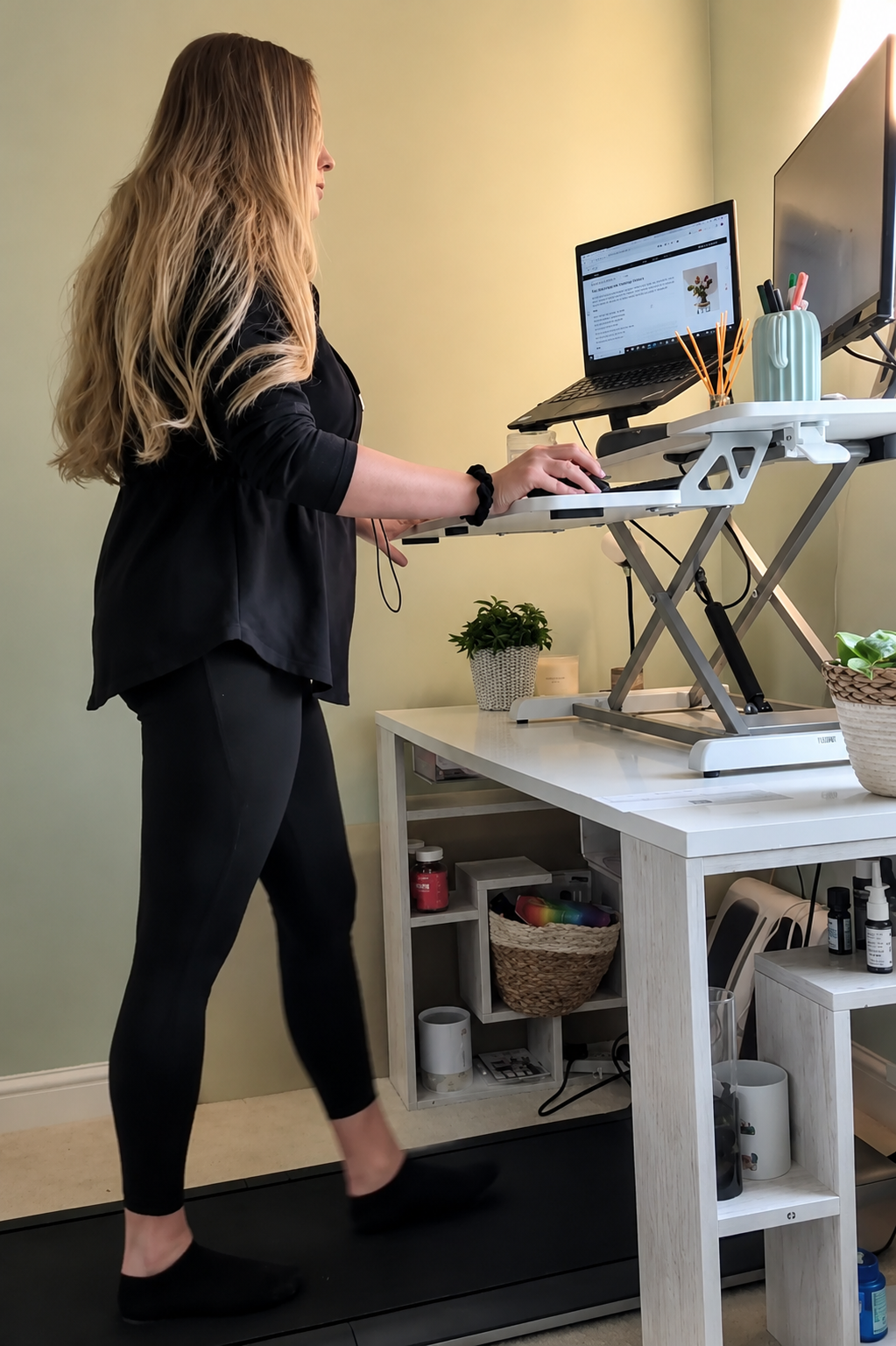
Three years later, I’ve learned it’s not quite that simple. I’ve gone through phases of using it daily, months of barely touching it, and everything in between. If you’re wondering whether a walking pad is actually worth buying, these are the ten things I genuinely learned after living with one for three years.
1. It genuinely helped me move more
This was the biggest reason I bought a walking pad in the first place. Like a lot of people working from home, I’d finish the day having barely left my desk.
Adding a walking pad underneath it completely changed that. Instead of trying to squeeze in movement before or after work, I could build it into my day without really thinking about it. There were days I’d finish work having walked several miles without setting foot outside.
It didn’t replace proper exercise, but it did make a sedentary job feel a little less sedentary.
2. I was surprised how much it improved my focus
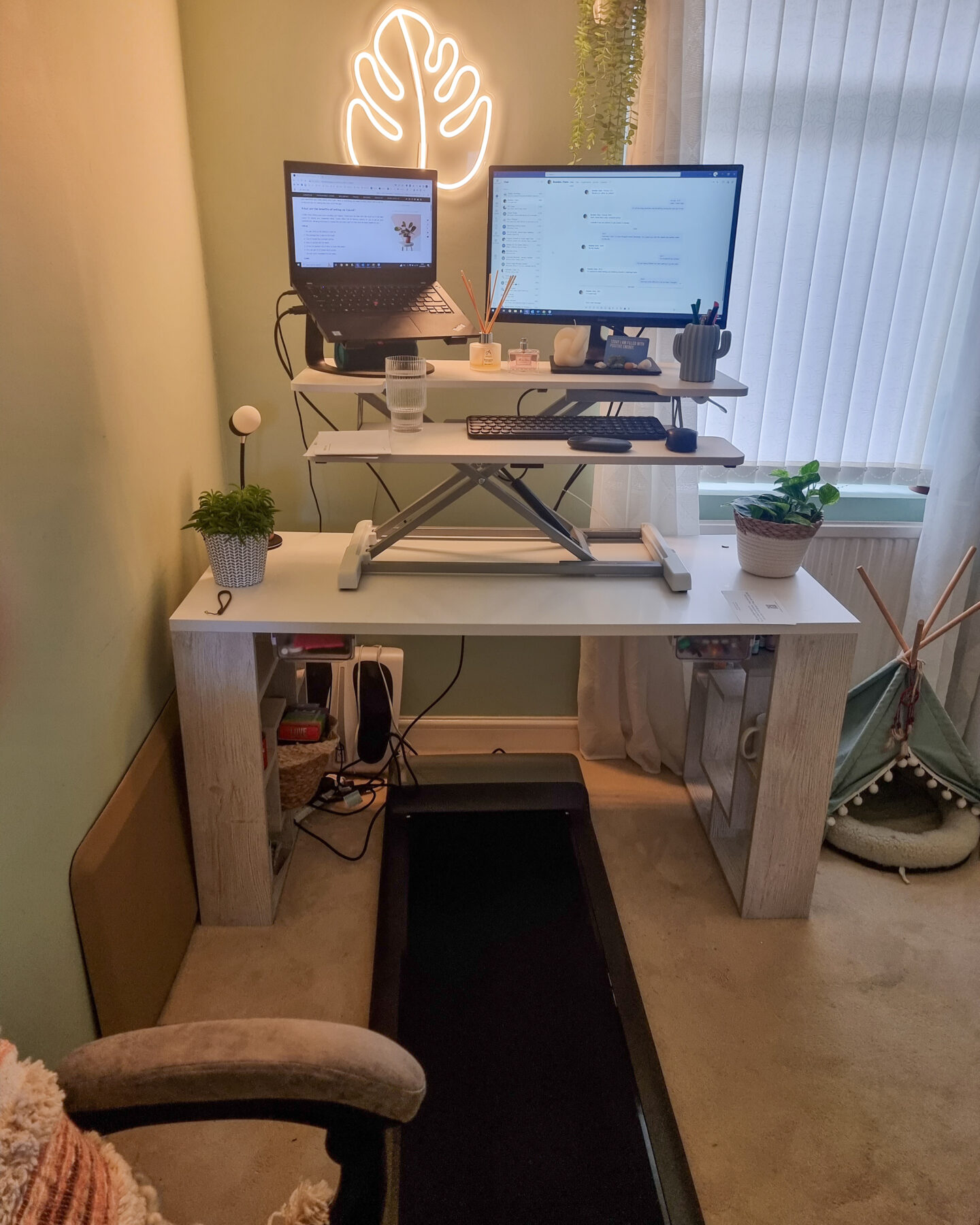
One thing I wasn’t expecting was how much more focused I felt while walking.
For repetitive tasks like emails, reporting or admin, I actually found it easier to concentrate. Once I found a comfortable pace, I almost forgot I was walking and would often stay on it for an hour or two at a time.
For me, it became less about burning calories and more about keeping my energy levels up during long working days.
3. Proper footwear makes a huge difference
I’ll admit it—I tried using it barefoot when it first arrived.
That lasted about five minutes.
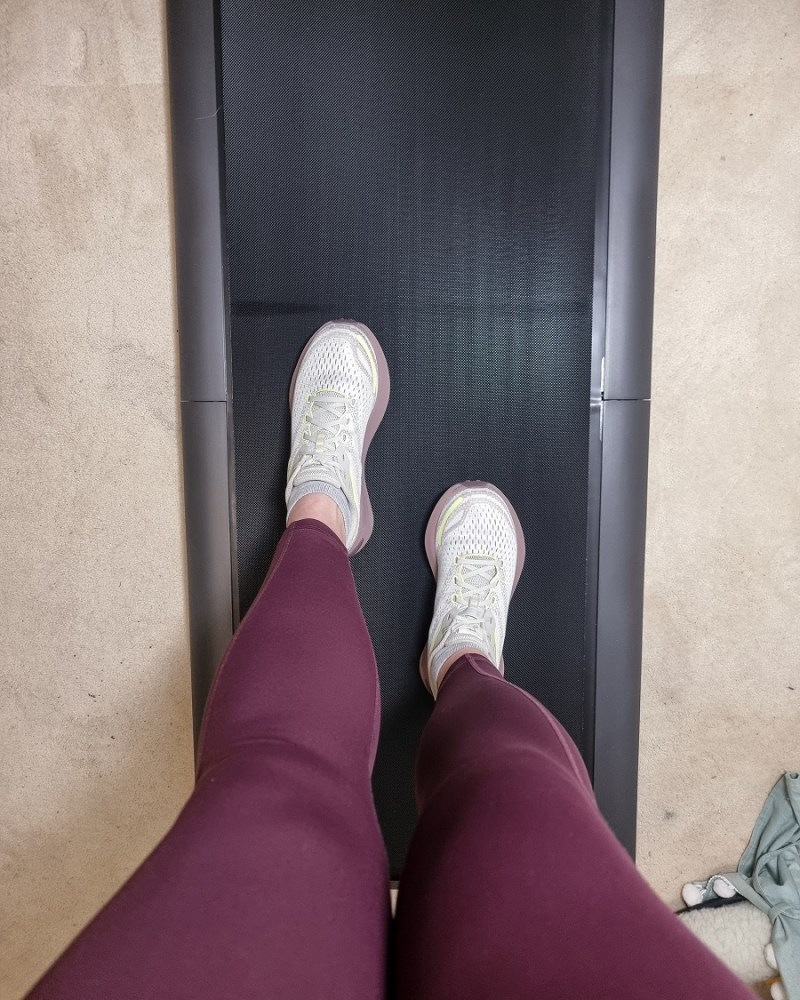
You quickly realise that thousands of steps on a hard surface isn’t particularly comfortable without some cushioning. Once I started wearing supportive trainers, I could use it for much longer without my feet feeling sore afterwards.
It’s a small thing, but it made a much bigger difference than I expected.
4. Some work is surprisingly easy while walking
I assumed typing would be impossible.
It wasn’t.
Once I’d slowed the speed down, I could comfortably answer emails, join meetings, complete admin and even write parts of articles while walking. After a few days it became second nature.
The only real adjustment was accepting that I wasn’t going to break any typing speed records.
5. Not every task works on a walking pad
This was probably my biggest surprise.
Anything that required deep concentration or creative thinking was actually easier sitting down. Brainstorming ideas, planning articles or solving complicated problems often meant I needed to stop walking.
Ironically, I have some of my best ideas while walking outside, but walking at my desk seemed to use just enough brainpower that creativity wasn’t quite the same.
Now I naturally use it for admin-heavy work and save more demanding tasks for when I’m sitting.
6. Walking for hours isn’t always a good idea
At first, I thought the more I walked, the better.
In reality, spending hours in the same position can leave your shoulders, hips and lower back feeling surprisingly tight. I also noticed that if my desk wasn’t adjusted properly, I’d start leaning forwards without realising.
These days I’d rather do several shorter sessions throughout the day than spend three hours walking without a break.
7. Stretching matters more than I expected
Because walking feels gentle, it’s easy to forget that you’re still exercising.
I found it really helped to stretch before starting, take regular breaks and loosen up afterwards, especially on days I’d spent a long time on the walking pad.
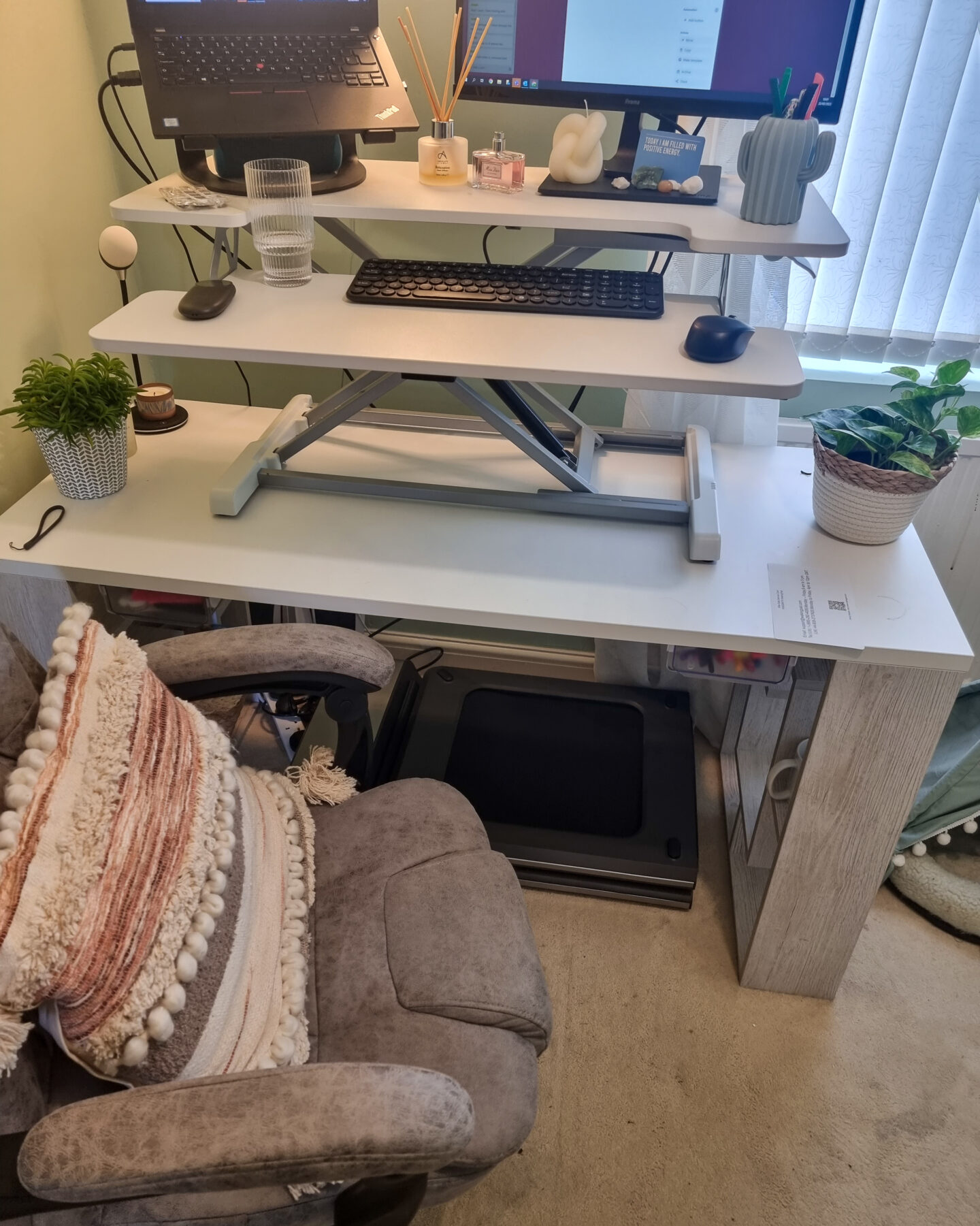
It only takes a few minutes, but it made a noticeable difference to how stiff I felt later in the day.
8. It’s not suitable for everyone
Although walking pads are low impact, they aren’t automatically the right choice for everyone.
If you have balance problems, joint issues or existing injuries, walking while working may aggravate symptoms rather than improve them. I also found that poor posture quickly led to tight shoulders and an aching lower back.
Like any piece of fitness equipment, it’s worth thinking about your own health and speaking to a professional if you’re unsure.
9. I stopped using it… then started again
One thing I’ve realised after owning a walking pad for several years is that my use has gone in phases.
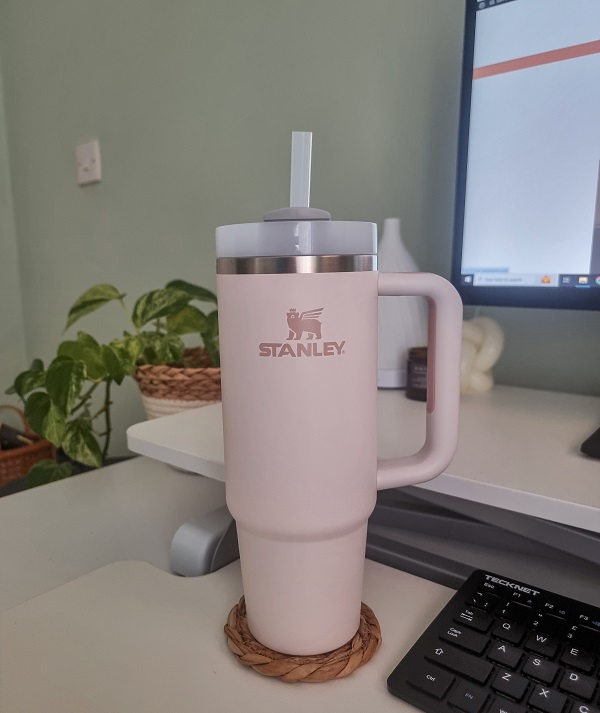
When it was new, I used it almost every day. Then life changed.
Pregnancy, moving house and becoming a mum meant it gradually stopped being part of my daily routine. That doesn’t mean it wasn’t worth buying.
Now I use it differently. During winter, poor weather or when I’m spending lots of time working from home, I naturally get it back out again.
I’ve stopped feeling guilty about not using it every day. It’s another tool that’s there when I need it.
10. Three years later, I’d still recommend buying one
Yes, I still own it.
No, I don’t use it as much as I did in the beginning.
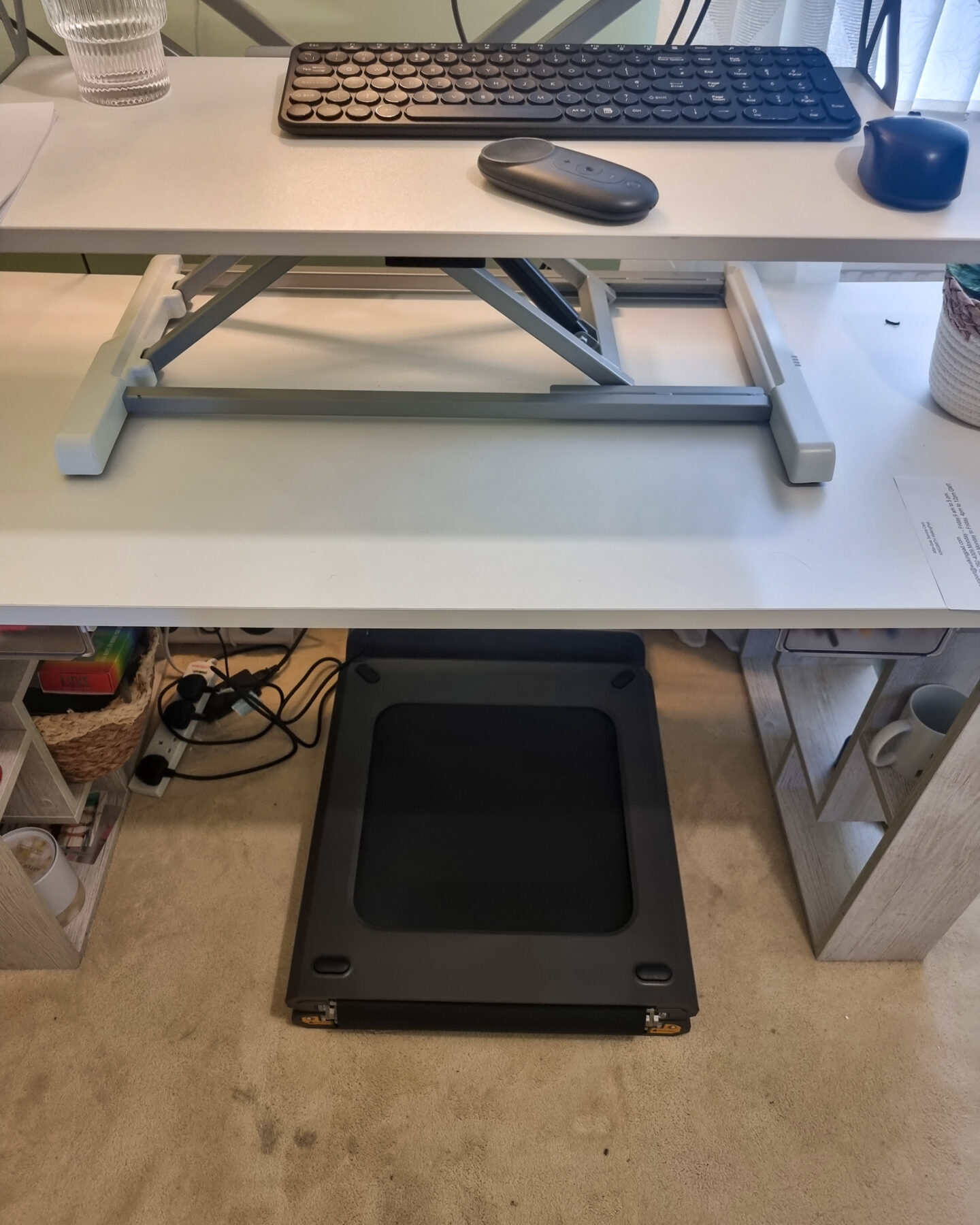
These days it mostly lives in the garage and comes out before home workouts or during periods when I’m working from home more often. If I eventually have a larger office again, it’ll almost certainly end up back underneath my desk.
Looking back, I don’t think the value came from using it every single day. It came from making movement easier during a stage of life where I was sitting for most of my working week.
Would I buy one again?
Absolutely. I just wouldn’t expect it to magically transform my fitness. I’d see it for what it really is – a practical way to move more on days when getting outside simply isn’t realistic.
The walking pad I bought
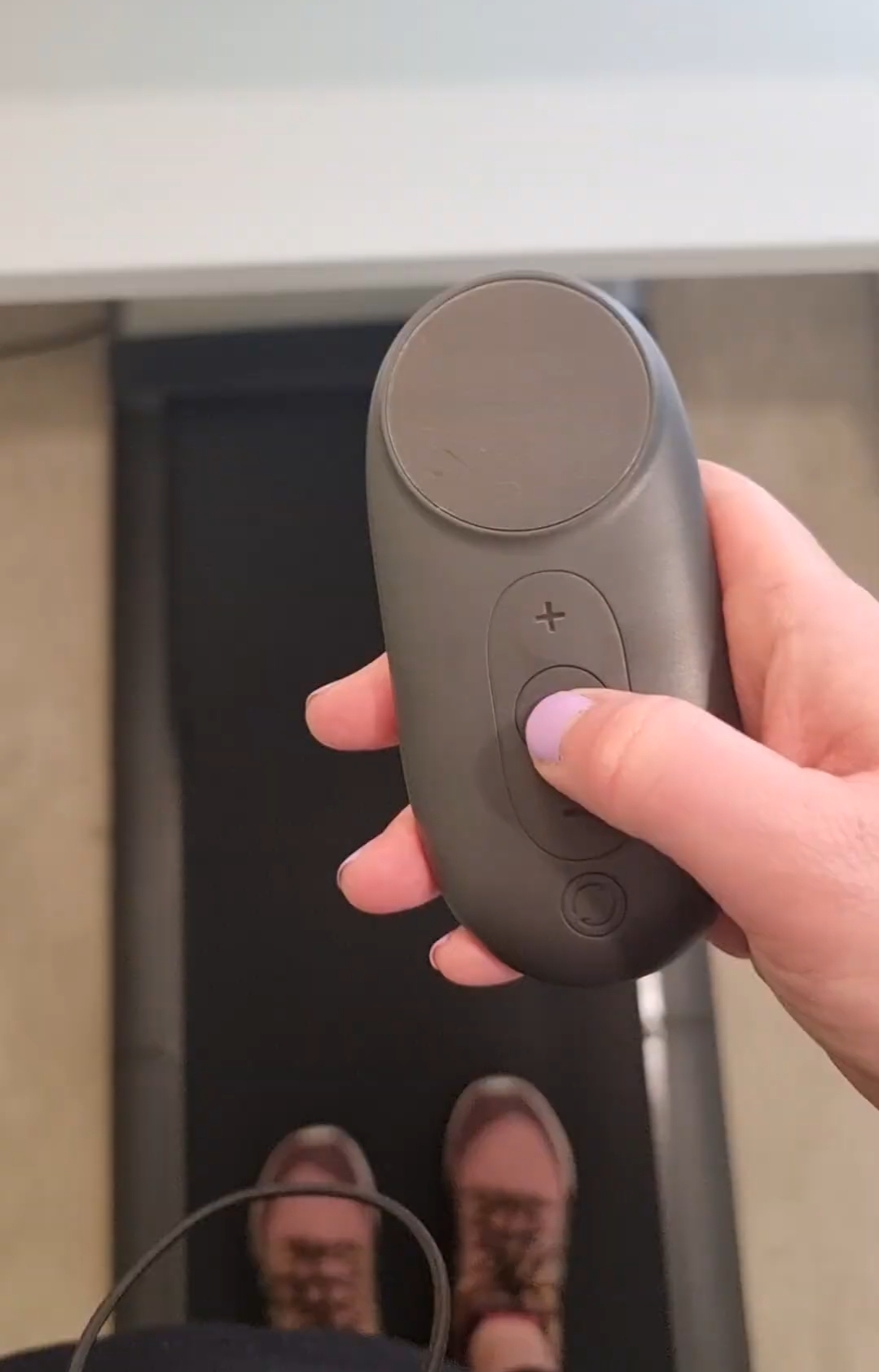
I’ve been using the WalkingPad P1 Folding Treadmill from Amazon for around three years now. It’s compact enough to slide under a desk, quiet enough for home working and has held up surprisingly well considering how much I used it during the first year. Although I don’t use it every day anymore, it’s still something I regularly pull out when I’m working from home or want an easy way to add more movement to my day. If I was buying again today, I’d still choose something very similar.
My recommended products:
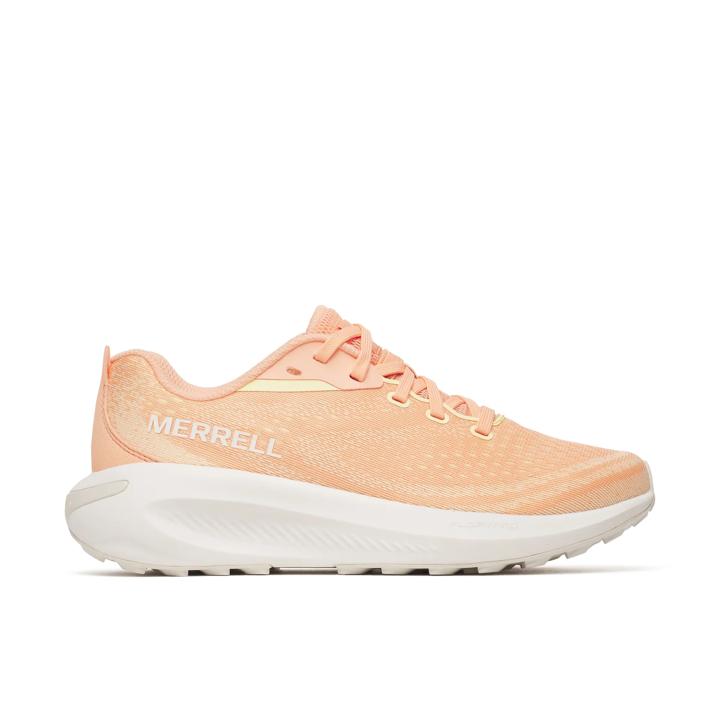
Supportive Footwear
One of the quickest lessons I learned was that comfortable footwear really matters. Walking thousands of steps on a hard surface in socks or barefoot left my feet aching, whereas a supportive pair of trainers made much longer sessions comfortable. If you plan on using a walking pad regularly, I’d put decent footwear near the top of your shopping list.
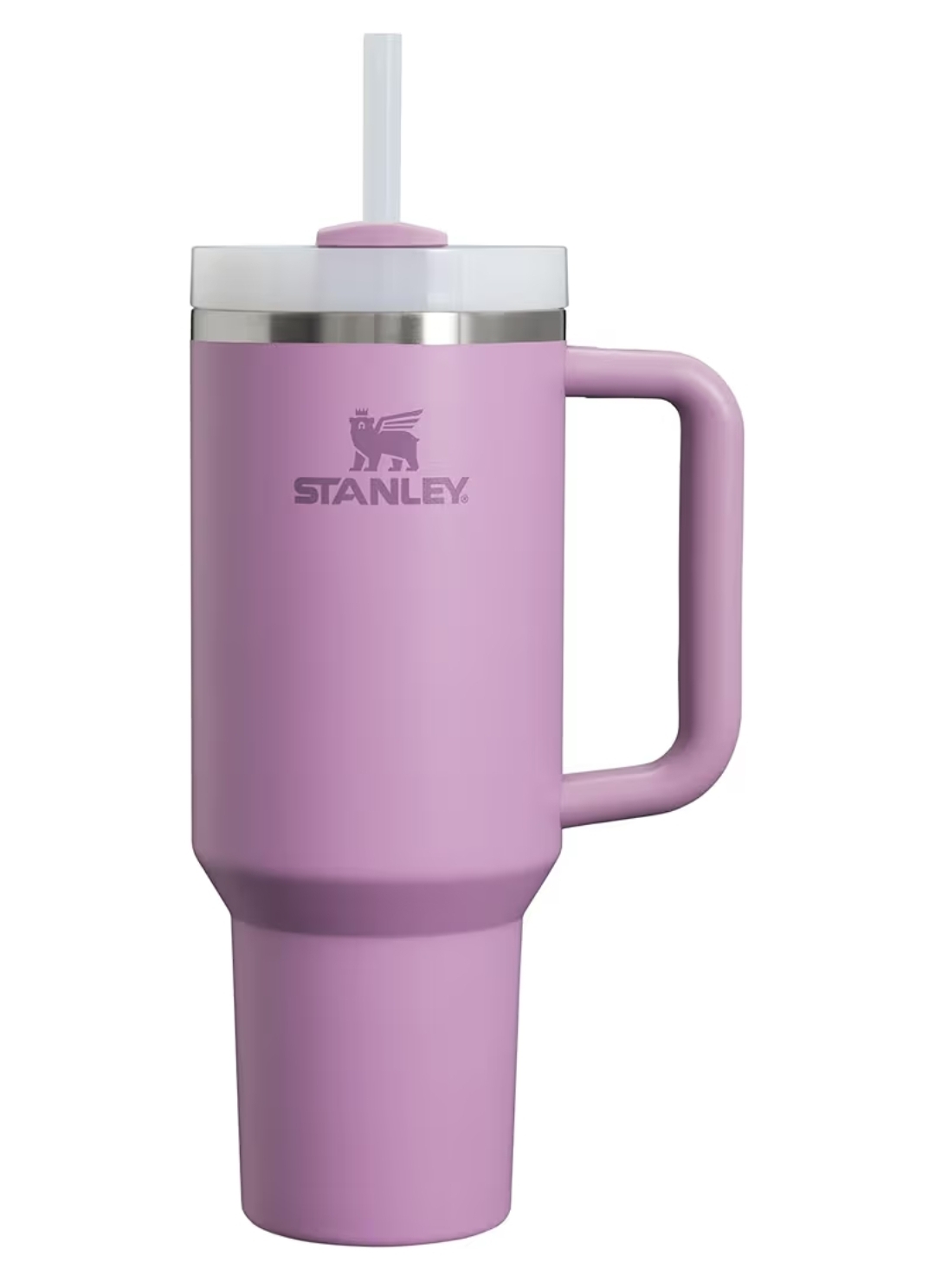
Water bottle
It’s easy to forget how much you’re moving when you’re working at the same time. Keeping a water bottle on your desk meant I drank far more consistently throughout the day, especially during longer walking sessions. Staying hydrated also gave me a natural reminder to pause for a quick break every now and then.
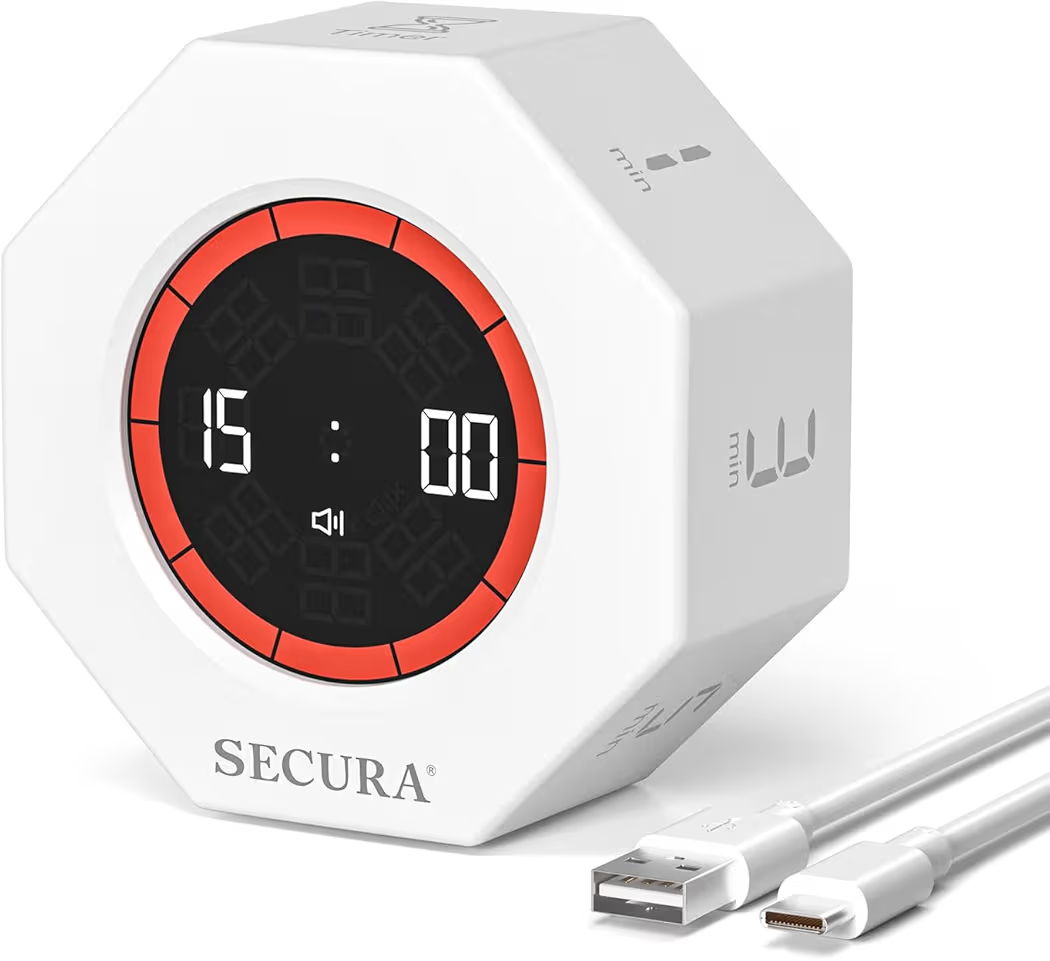
Timer cube
One thing I found helpful was setting a timer rather than walking endlessly without thinking about it. A timer cube is an easy way to remind yourself to step off, stretch, grab a drink or simply change position. It helps prevent turning a low-impact activity into several hours of standing in exactly the same posture.
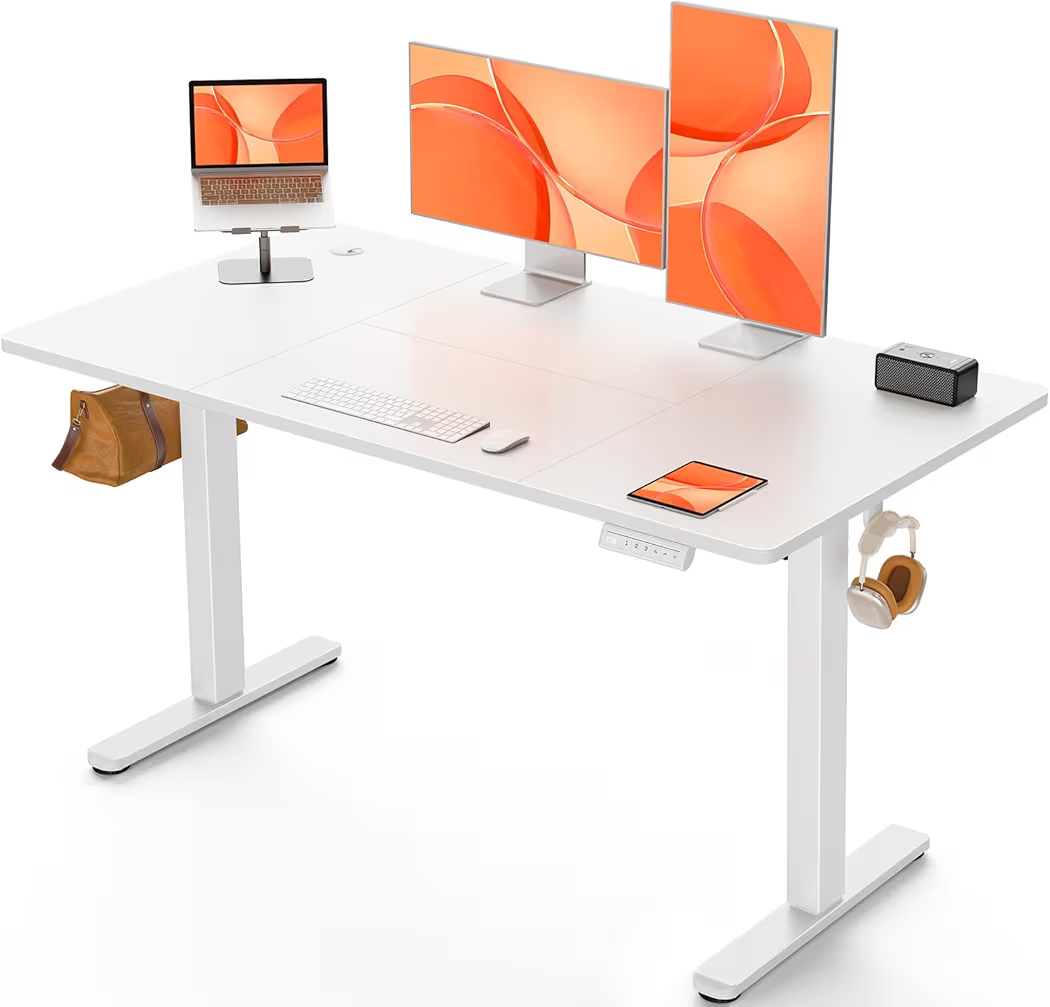
Adjustable Standing Desk
If you’re serious about using a walking pad while working, I’d say an adjustable standing desk is almost essential. Being able to quickly switch between sitting, standing and walking makes it much easier to use throughout the day, and getting the desk at the correct height makes a huge difference to your posture and comfort.
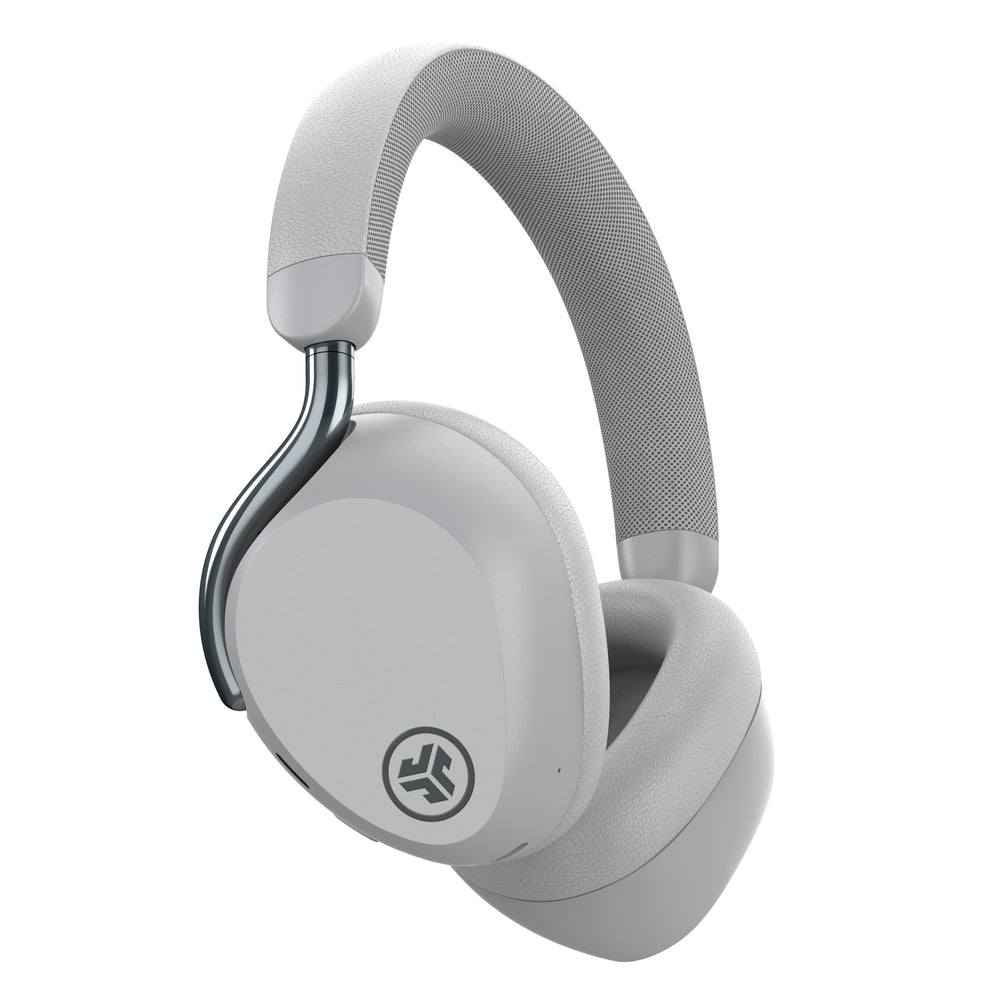
Noise-Cancelling Headphones
When I was walking while working, I found headphones helped me get into a rhythm and block out distractions, my go-to are the JLab Lux Lab Edition ANC over-ear headphones. Whether it was music, a podcast or simply reducing background noise during admin tasks, they made it much easier to concentrate for longer periods.
Outdoor Adventure, Travel, and Family Editor.
I share stories from my adventures with my daughter, Daisy, practical gear advice, and tips for navigating family life from my experiences.
Follow Sam’s adventures on Instagram @sams_adventures_

