
Seven months postpartum, and I can probably count on one hand the number of uninterrupted nights I’ve had since she was born.
We had a reflux baby, which meant sleep wasn’t just broken — it was unpredictable, uncomfortable, and, at times, almost non-existent. Nights were spent upright, half-asleep, constantly listening out for her, never fully switching off. Even now things are better, my sleep still feels light, interrupted, and easily thrown.
So when people say “just get more rest”, it doesn’t really land.
Because when sleep is limited, the focus shifts. It’s not about getting more sleep — it’s about getting better quality sleep in the small windows you do have.
I’ve stopped chasing perfect nights. Instead, I’ve been figuring out how to support my sleep in ways that feel realistic — small changes, small comforts, things that make a difference without adding pressure.
1. Making my bed feel like somewhere I actually want to be
If I’m going to be lying awake, the least I can do is make it comfortable.Temperature has been one of the biggest things for me. Being too hot or too cold is one of the quickest ways to turn a slightly restless night into a fully broken one — and breathable bedding genuinely makes a difference here.
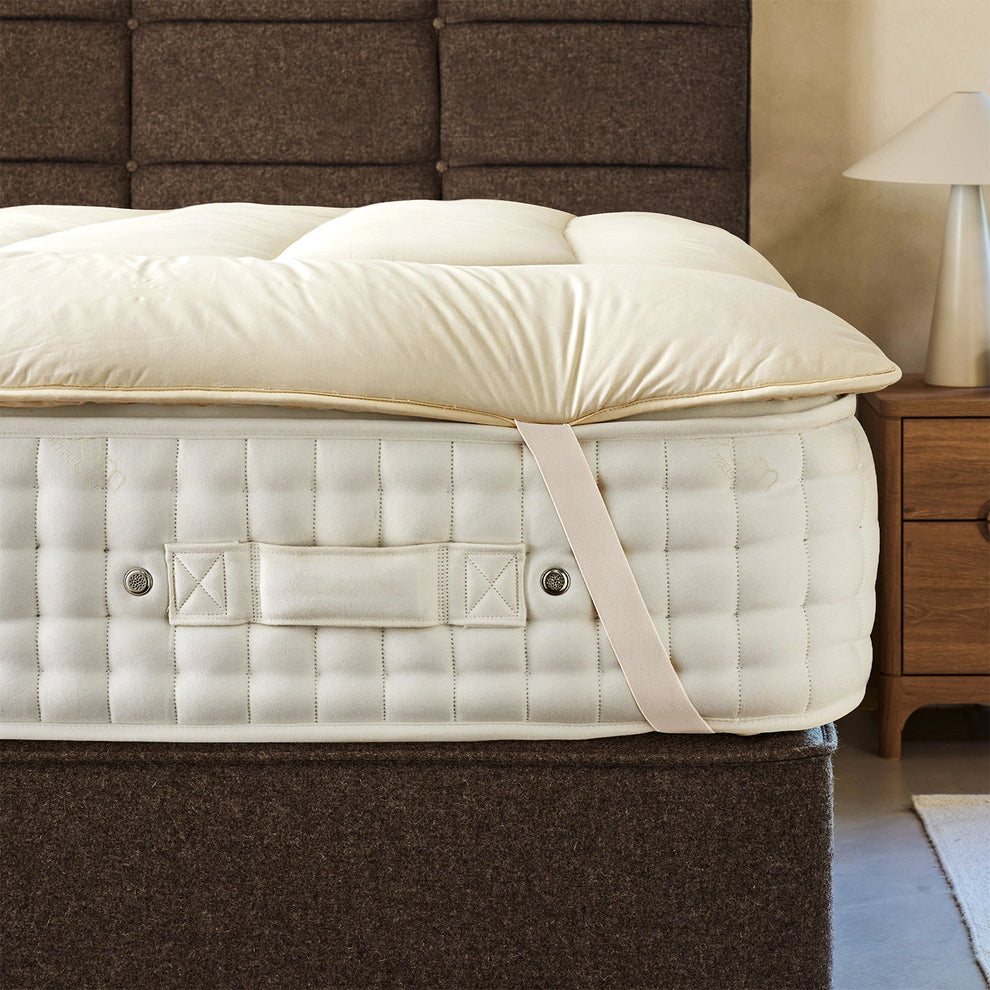
One thing that’s helped me personally is a Deluxe Wool Mattress Topper. I didn’t realise how much temperature was affecting my sleep until I started paying attention to it.
It’s helped keep things more consistent overnight, which is often what wakes me up in the first place.

The same goes for pillowcases. I switched to All About Sleep Organic Bamboo Pillowcases without really expecting much of a difference.
But I’ve noticed my skin and temperature feel a bit more settled overnight. It’s subtle, but it adds up over time.
2. Supporting my body without overcomplicating it
I’ve tried full routines before — long wind-downs, strict schedules, doing everything “right”.
They rarely stick.
What has worked better is supporting my body in smaller ways that don’t require effort.
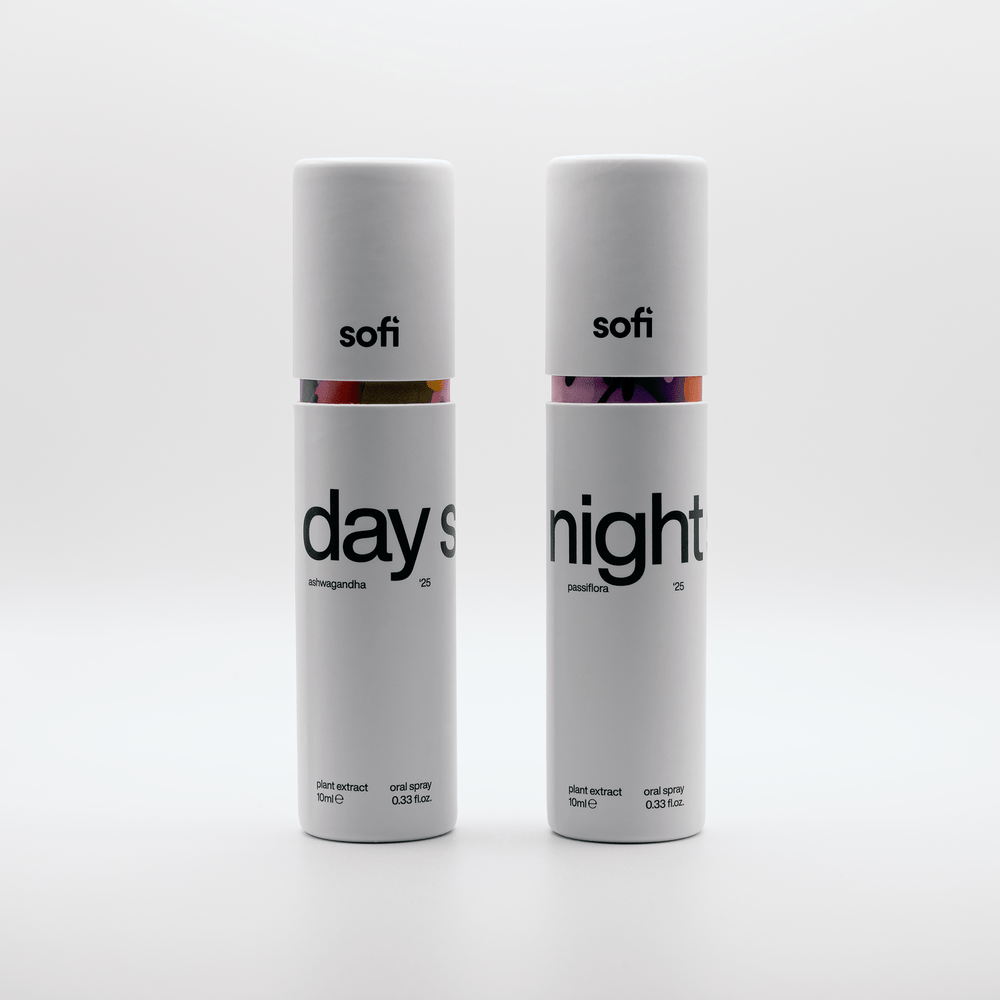
The Sofi Day & Sofi Night oral sprays have been one of those things. Not because they magically fix sleep, but because they feel like a simple cue — something that signals the shift from day to night without needing a full routine around it.
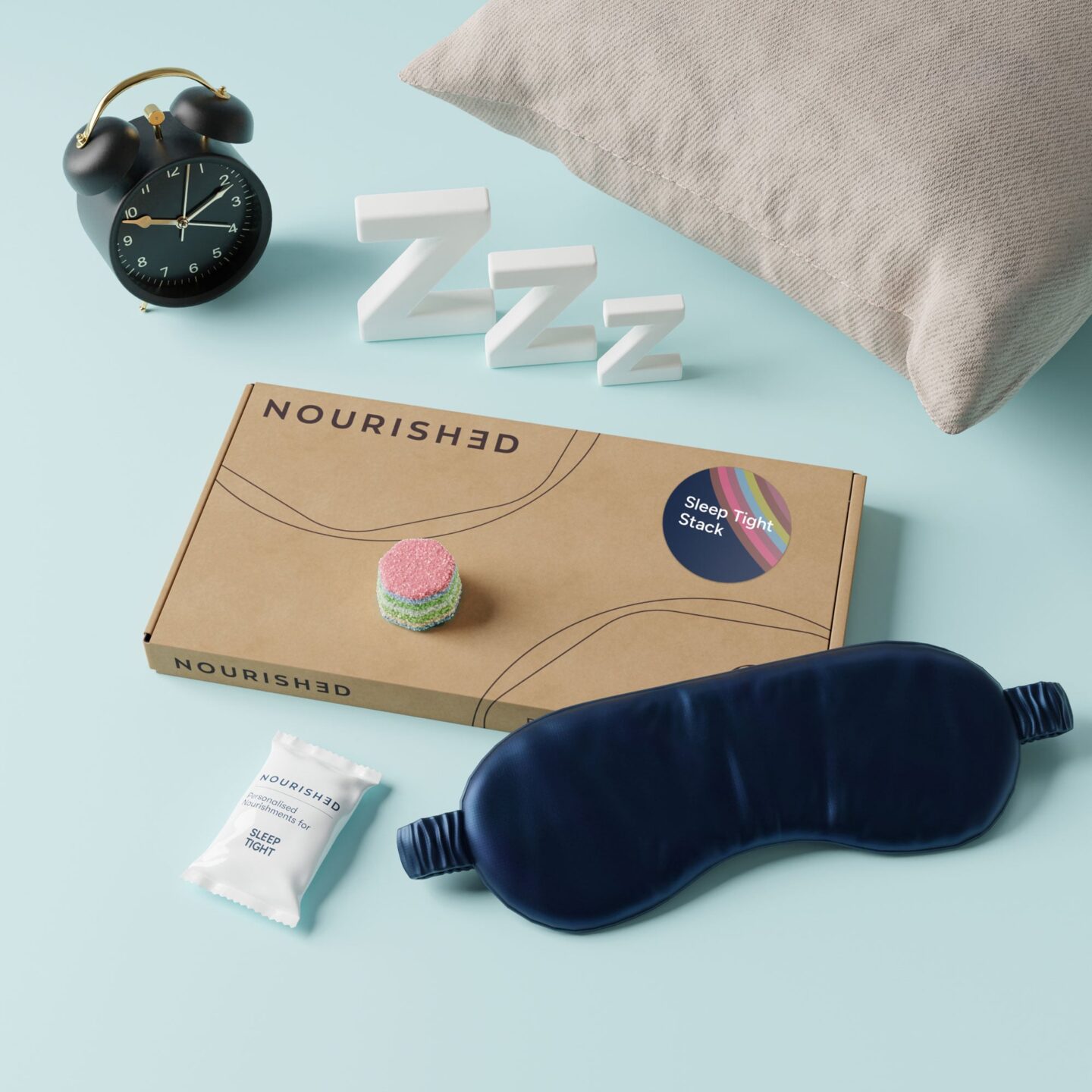
The same applies to supplements. I’ve been testing the Nourished Sleep Tight stack, and while I’m always cautious about anything claiming to “fix” sleep, I do think there’s value in supporting your body rather than forcing it.
Because realistically, sleep isn’t something you can control — but you can create conditions that make it easier.
3. Accepting that my brain isn’t always going to cooperate
This has probably been the biggest shift.
For a long time, I thought sleep issues meant I was doing something wrong. That if I just found the right routine, the right product, the right combination of things — it would click.
But a lot of sleep disruption comes from stress, mental load, and overstimulation — not just habits (Sleep Foundation).
Which means sometimes, your brain just… doesn’t switch off.
On those nights, I’ve stopped trying to fight it.
4. Letting rest look different
Rest doesn’t always look like sleep.
Sometimes it’s lying in bed with something on in the background. Sometimes it’s scrolling. Sometimes it’s doing something low-effort just to take the edge off.

I’ve found that trying to force “perfect rest” often makes everything worse.
Letting it be imperfect — quieter, slower, even a bit distracted — works better than pushing against it.
5. Choosing comfort over optimisation
There’s a lot of pressure to optimise sleep.
Better routines, better habits, better discipline.
But when you’re already tired, that pressure becomes part of the problem.
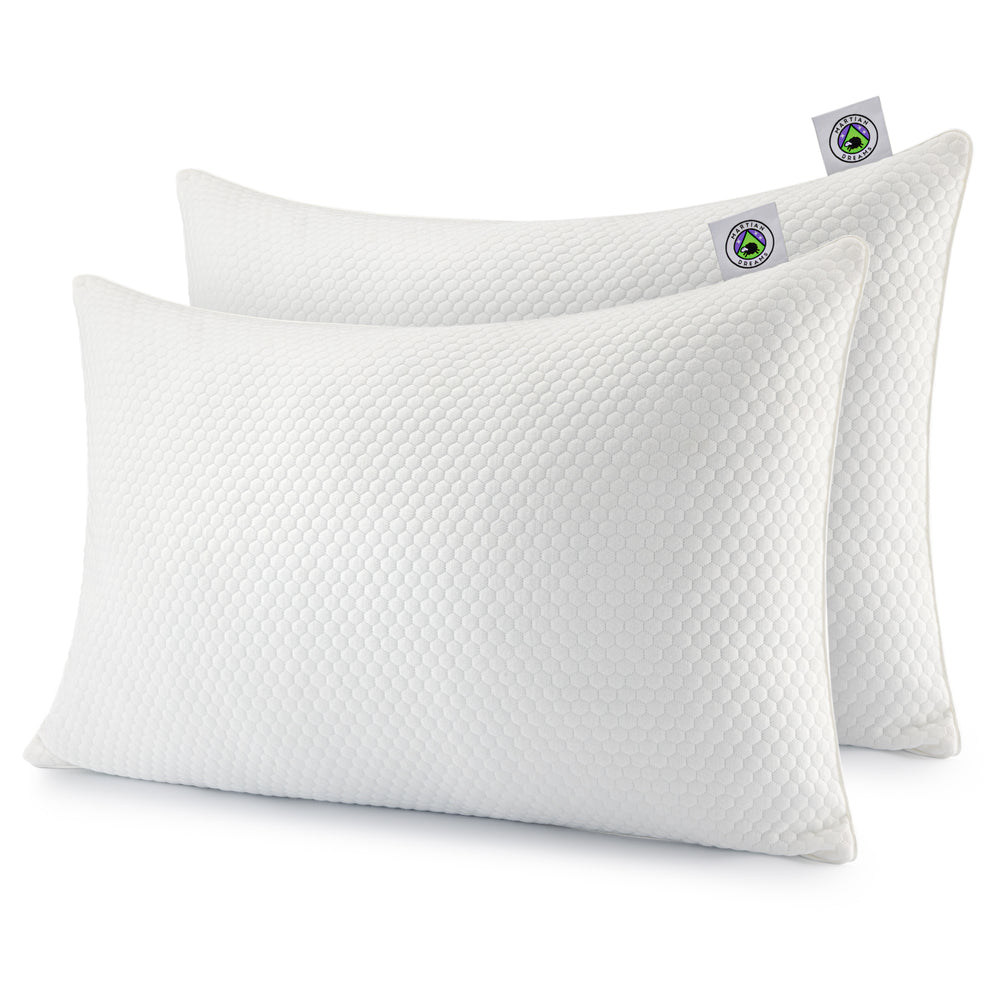
I’ve been using the Martian Dreams LunaCore Pillow, mostly because I started paying more attention to how I was actually sleeping.
Neck tension and small discomforts were something I’d just got used to, but they were clearly adding up. It’s helped ease some of that, which has made a difference on more restless nights.
And that’s really the approach I’ve taken with all of this – not optimisation, just removing friction.
6. Lowering the bar (and feeling better for it)
Some nights are good.
Some nights aren’t.
And I’ve stopped trying to treat that as a problem to solve every single day.
Instead of aiming for perfect sleep, I aim for:
- slightly more comfort
- slightly less disruption
- slightly easier nights
And over time, that adds up.

Outdoor Adventure, Travel, and Family Editor.
I share stories from my adventures with my daughter, Daisy, practical gear advice, and tips for navigating family life from my experiences.
Follow Sam’s adventures on Instagram @sams_adventures_

