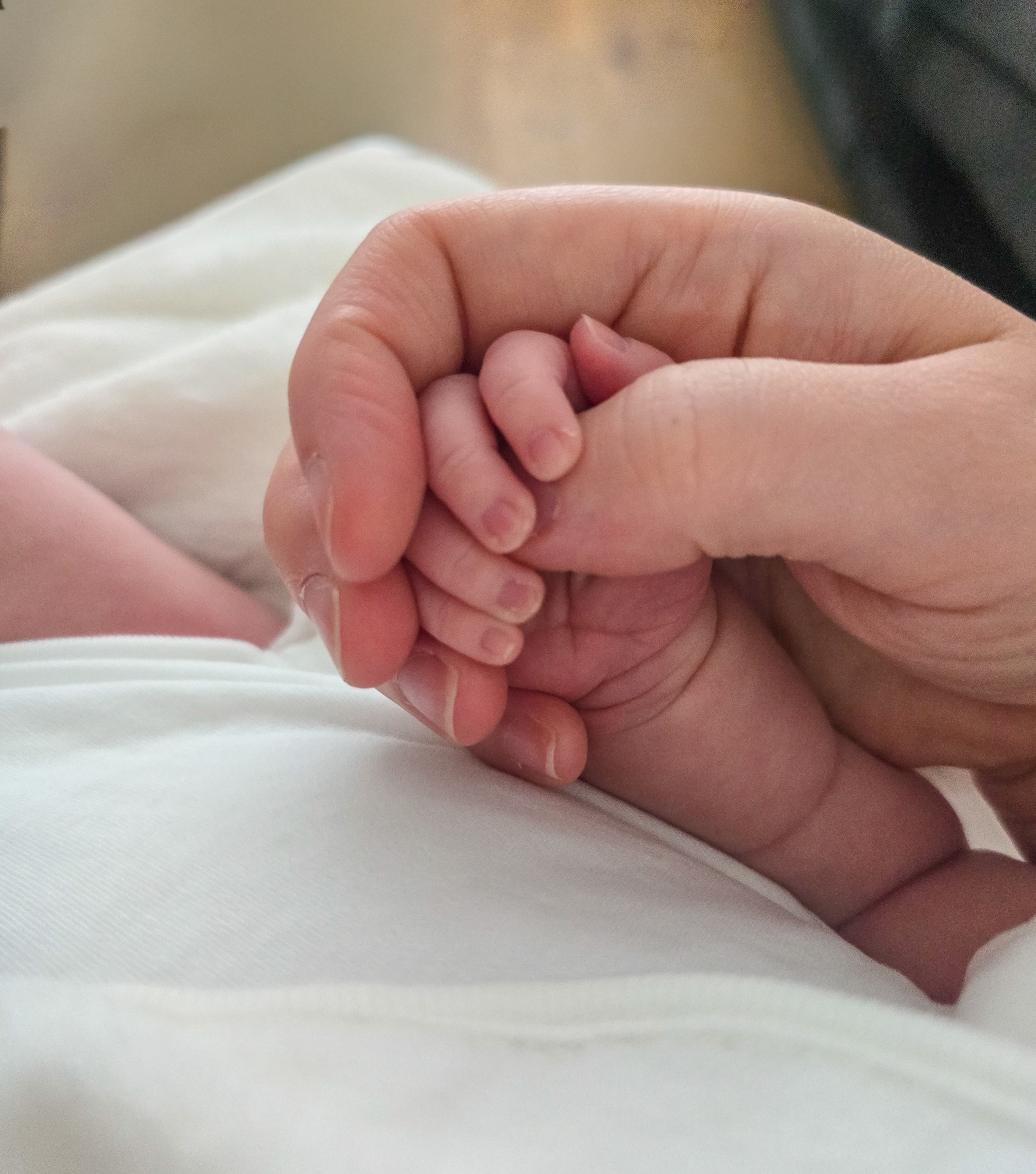
The early postpartum months feel hazy now, like my brain filed most of them under survival and quietly moved on.
Looking back, though, there were so many strange things that happened after having a baby – physical changes, emotional shifts and moments that made me wonder whether I was still myself. Most of them barely seemed to get mentioned once the baby had arrived and I was expected to start getting “back to normal”.
These are the postpartum changes that caught me most off guard. I’m sharing them because hearing that happened to me too often helped more than advice ever did.
1. How much my body swelled after the C-section
This one had completely slipped my mind, probably because I was so deep in the newborn trenches that my brain blocked it out. But my God, the swelling. My feet were huge. My ankles were barely recognisable. Even my wrists and nose looked swollen. Everything felt tight, heavy and unfamiliar.
At the time, I didn’t really stop to question it. When you’re in survival mode, you seem to accept whatever your body is doing and move on to the next feed. It was only later that I realised how much my body had been through.
2. My toenails falling off
This was easily the strangest physical change and the one that still makes people look at me as though I’m joking. The first time it happened, I was putting moisturiser on when one of my little toenails simply came off. No pain. No warning. Just… gone.
The second was my big toenail, which wasn’t quite as surprising because it had been damaged by various hiking injuries over the years. But when a third disappeared, I genuinely began wondering what was happening to my body.
I still don’t know exactly why it happened. I’m just relieved they grew back and that the mysterious disappearing-toenail phase appears to be over.
3. Hair thinning and the strange regrowth afterwards
Apparently postpartum hair loss is well known. It absolutely wasn’t to me.
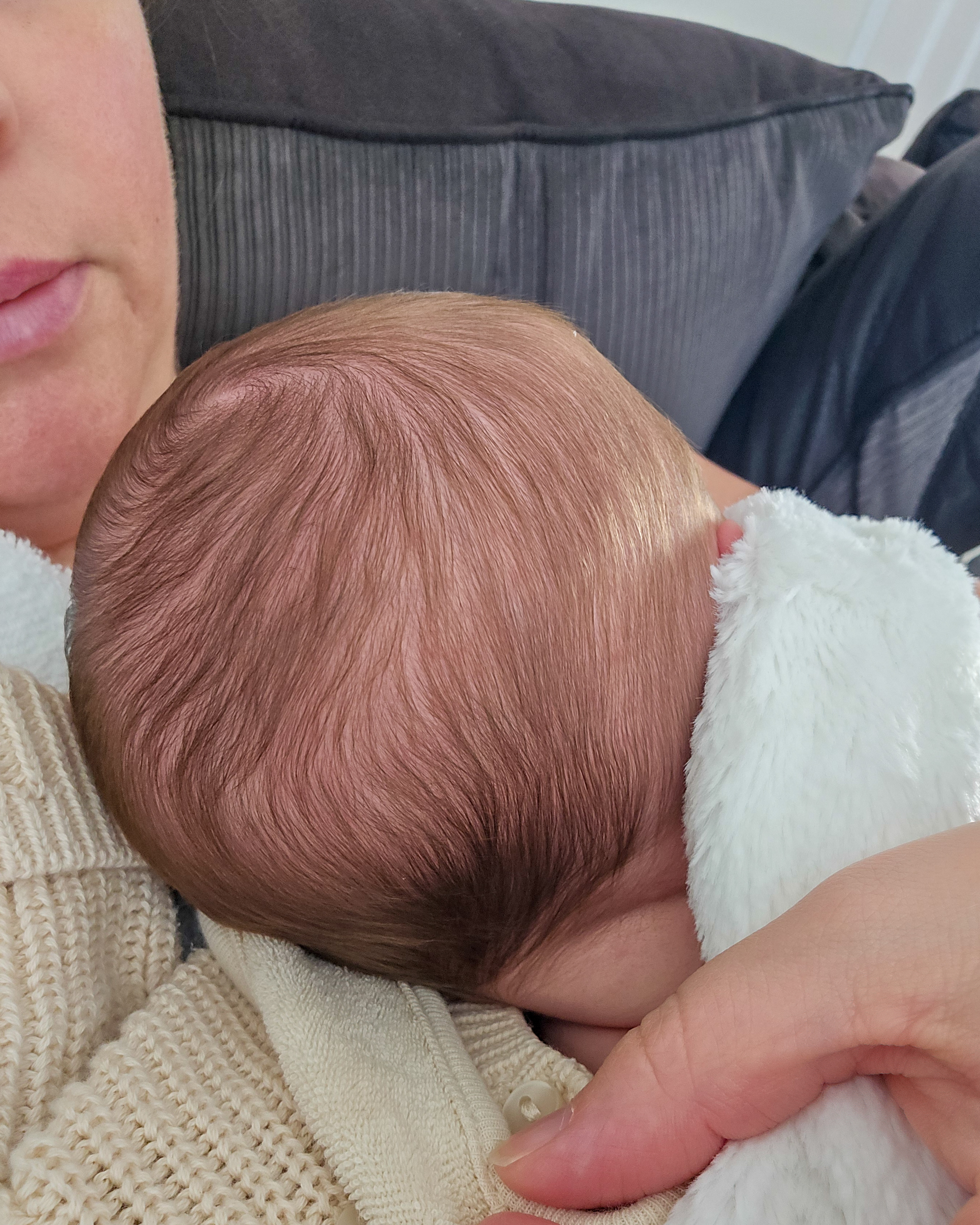
I had always had thick hair that grew quickly, so when I noticed a thin patch near the side of my head, I was horrified. I cried every time I saw it in the mirror. It might sound disproportionate now, but in those emotionally raw early months, it felt enormous.
The shedding began around two months postpartum. After a lot of late-night searching, I learned that pregnancy can interrupt the usual hair-growth cycle, with more shedding often happening after birth.
Knowing there was an explanation helped a little. It still felt devastating when it was my hair disappearing.
The reassuring part came a few months later, when I noticed a band of regrowth around my hairline. I hadn’t found a miracle supplement or magic shampoo. It had simply started growing back in its own time. There were some products that helped get my hair healthy again which I shared recently.
The regrowth has brought its own chaotic halo of short hairs, but I’m much less frightened by it now.
4. Phantom kicks
I had no idea this was a thing. I would be looking directly at Daisy, asleep beside me, and still feel little flutters in the exact place she used to kick during pregnancy.
It was strange because the constant movement had been one of the things I found hardest while pregnant. The interrupted sleep. The pressure on my bladder. A breech baby who seemed determined to tap-dance on every internal organ.
And yet, once it stopped, I missed it. I missed having her tucked safely inside me, where she felt entirely mine. Now I had to share her.
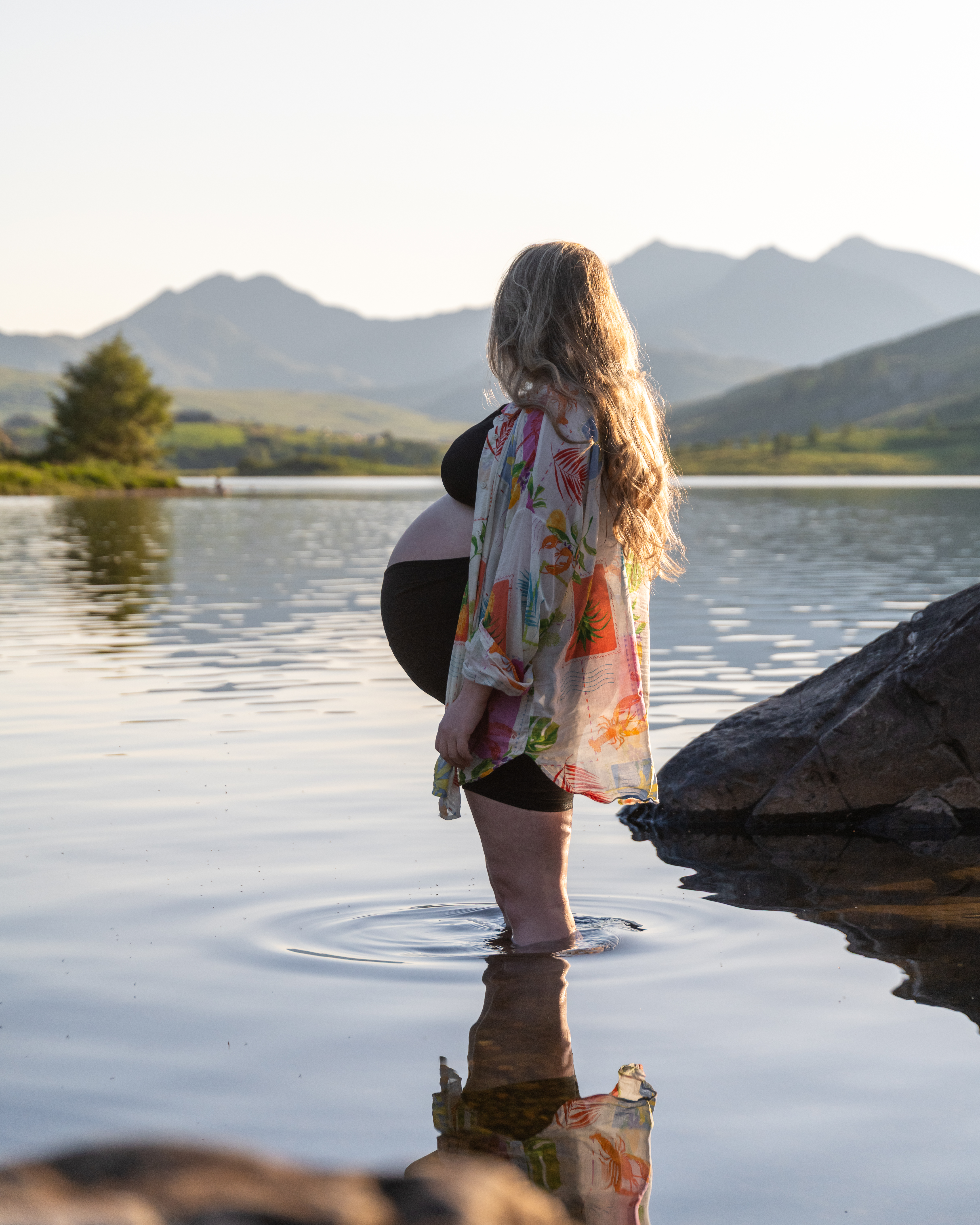
5. Just how bad the sleep deprivation would be
Nothing prepared me for newborn tired. Nothing.
Having a baby with reflux added another layer. Daisy couldn’t be laid flat without wriggling in pain, crying or becoming visibly distressed. My partner and I took turns holding her while she slept because, for a long time, contact sleeping was the only thing that worked.
For around three months, we barely slept at all. Eventually, once her reflux and CMPA were better managed, longer stretches of sleep began to appear. Life became slightly more recognisable again.
We still look at each other sometimes and wonder how we got through those first few months. I think we were simply too tired to realise how tired we were.
6. Feeling pressure to do things “for her sake”
I felt a constant pressure to do things for Daisy’s sake, especially baby groups. I was told they would be good for her social development, which might be true, but the thought of walking into a room full of strangers and forcing conversation filled me with dread.
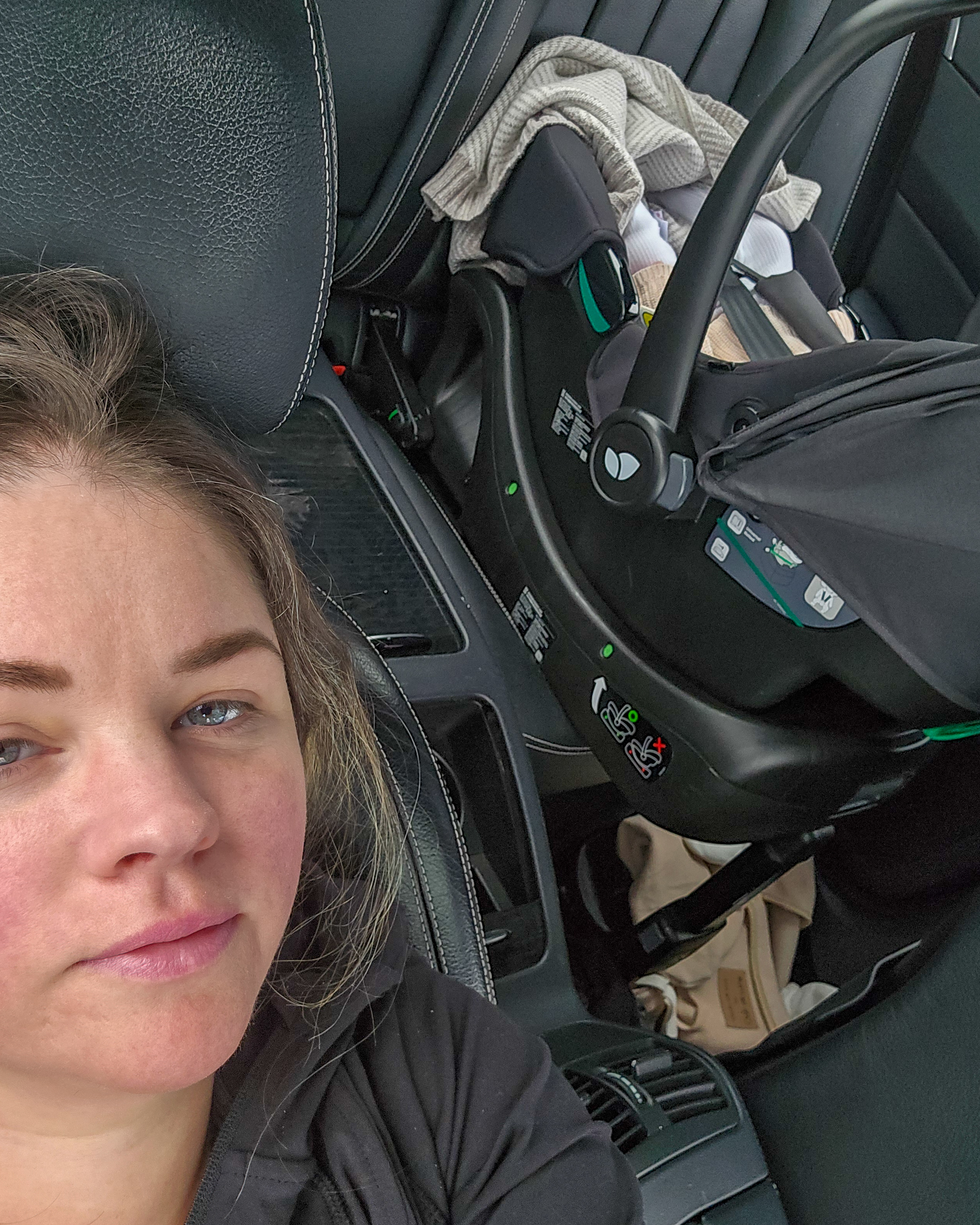
I went anyway because it felt like something a good mum was meant to do. By the third session, I was so tired and overwhelmed that I couldn’t face it. I drove to the McDonald’s drive-through instead, let Daisy nap in the car and pushed my seat all the way back.
I lay there looking at the sky while she slept beside me. That afternoon probably did more for both of us than forcing myself through another group ever would have. It was one of the first times I realised that doing what was supposedly best for my baby didn’t have to mean ignoring what I needed completely.
7. Feeling emotionally raw in a way I couldn’t explain
I expected the hormone crash. I didn’t expect my entire emotional wiring to change. I would be feeding Daisy at 3am and suddenly think about all the babies who didn’t have someone there to feed them. Then I would cry uncontrollably.
I couldn’t scroll past stories involving sick children. News and world events felt heavier than they had before. Things that had always been sad suddenly became almost unbearable.
One of our other editors once told me that after having her son, she became overwhelmed by how helpless and heavy the world could feel. I didn’t fully understand what she meant at the time.
Now I do.
Even after the intense early crying eased, the sensitivity remained. I’ve searched “is it normal to still cry three, four or five months postpartum?” more times than I can count.
Sometimes I still needed the reassurance that I wasn’t the only one who felt emotionally raw long after everyone seemed to expect me to be back to normal.
8. Feeling both afraid and fiercely protective
Before becoming a mum, the future didn’t frighten me in quite the same way. Now, so much of what happens in the world seems to pass through one question: How could this affect my child?
It isn’t abstract anymore. It’s personal. That fear seemed to exist alongside an intense protectiveness I hadn’t anticipated. I knew I would want to keep Daisy safe, but I wasn’t prepared for the physical discomfort I sometimes felt when other people held her.
People would reach for her, touch her face or watch me feed her and ask whether they could take over. It made me want to gather her up and leave.
During the first week, it became so overwhelming that I picked her up, walked upstairs without saying a word and sat alone with her. I can laugh about it now and imagine everyone downstairs wondering what had just happened.
At the time, though, it felt like pure instinct.
Motherhood brought uncomfortable conversations and boundaries I hadn’t needed before. It also taught me that being protective didn’t make me unreasonable — although I was still learning how to express it without internally combusting.
9. My body feeling unfamiliar
My body still doesn’t feel exactly the same as it did before pregnancy, and it took me months to accept that different didn’t automatically mean worse.
Pregnancy hit me hard. I had months of sciatica, carpal tunnel in both hands and intense back pain. Daisy was breech and seemed to spend half the pregnancy pressing directly onto my bladder.
Then came an emergency C-section and a recovery that was much less straightforward than I had imagined. I had somehow taken twelve weeks to mean that I would be recovered by twelve weeks. When that point came and I was still in pain, I felt as though I was doing something wrong.
I tried Pilates, stretching, walking, yoga and, briefly, running — which was a mistake. I would have one good day, assume I was fine and then find myself struggling again.
Nearly a year later, I understand that recovery hasn’t been a neat upward line. My body carried a baby, went through surgery and then spent months rocking, feeding and holding her through reflux and sleepless nights.
It makes sense that it needed more time than I expected. It isn’t worse. Just different.
A Few Things That Helped Me
In case something here helps you too.
Stepping back from social media
Staying away from social media helped more than I expected.
It reduced the constant exposure to heartbreaking stories, but also the quieter pressure hidden inside well-meaning messages.
Things like be present and you only get this time once might be true, but when you’re already exhausted, they can feel like another standard you’re failing to meet.
My nervous system needed a break from all of it.
Talking to other mums who understood
Not advice. Not reassurance. Just hearing same from someone who had already been there made everything feel less isolating.
Online communities can sometimes offer that same recognition when you don’t have other mums around you who understand.
Accepting that I wasn’t “back to normal”
Once I stopped asking myself, Why am I still like this? and accepted that I was still recovering, things softened slightly.
There wasn’t a deadline I had missed. I hadn’t failed to bounce back. I was simply still postpartum.
Taking some of the pressure off
I stopped trying to do everything “right” for Daisy and began choosing what worked for us instead.
Sometimes that meant skipping the baby group. Sometimes it meant letting her nap in the car while I stared at the sky.
Neither of us was worse off for it.
A small note: This is my personal experience rather than medical advice. Postpartum recovery looks different for everyone. When something feels frightening, persistent or difficult to manage, speaking to a GP, midwife or health visitor can help you work out what support might be available.
There are probably more things I’ve forgotten. Parts of those early months still feel hazy, as though my brain tucked them away so I could get through them. But I’ll leave it there.
Outdoor Adventure, Travel, and Family Editor.
I share stories from my adventures with my daughter, Daisy, practical gear advice, and tips for navigating family life from my experiences.
Follow Sam’s adventures on Instagram @sams_adventures_

