Moving my daughter into her own room was one of those parenting milestones I thought I’d feel ready for when the time came. After all, she’d reached six months old. The nursery was finished. We knew the guidance around room sharing. On paper, it felt like the natural next step.
Emotionally, I was nowhere near ready.
The truth is that our start to parenthood hadn’t looked the way I imagined it would. My daughter had severe reflux as a newborn, and the first four months were incredibly difficult. We spent those months co-sleeping following safe sleep guidance because it was the only way any of us got any rest.
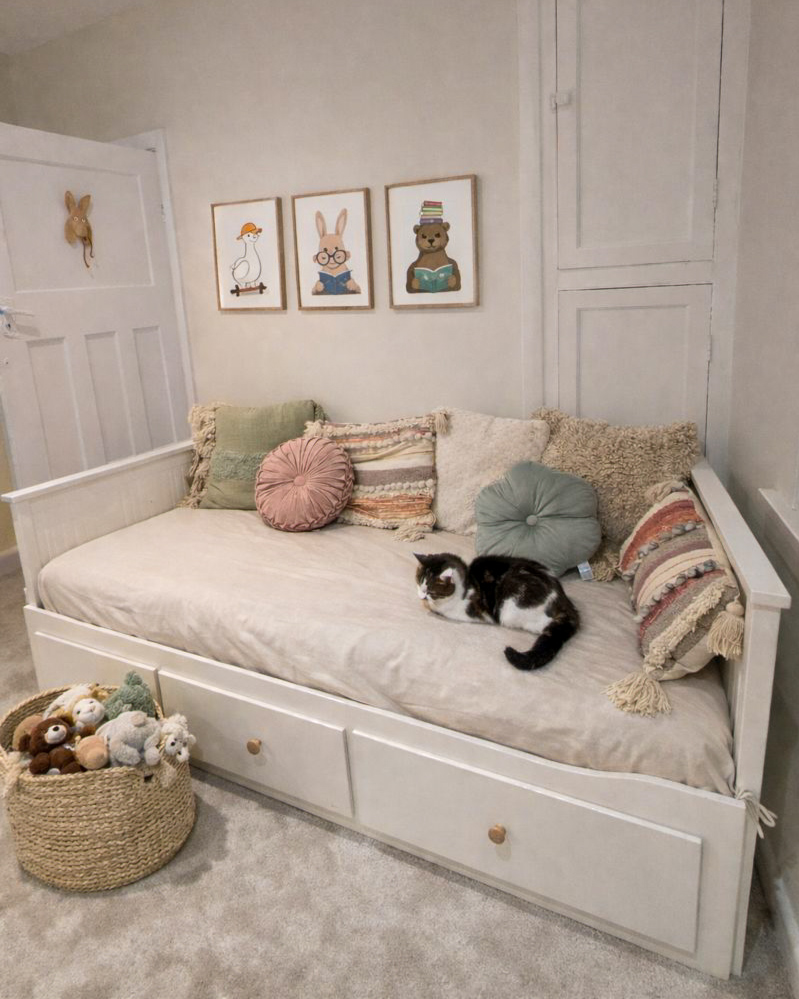
By six months, things had improved, but the anxiety hadn’t completely gone away. So while we decided it was time for her to move into her own room, I wasn’t ready to be far away from her. Instead, I moved into her room too. For the next four months, I slept on the daybed in the nursery.
She’s now ten months old, and looking back, I can see that the transition was as much about me as it was about her.
Why We Decided It Was Time
At six months old, she was beginning to outgrow her bedside crib and everyone seemed to be waking each other up. Every shuffle, cough, snore, or sleepy little noise became a reason for somebody to stir. What had worked well in those early months was starting to feel less practical.
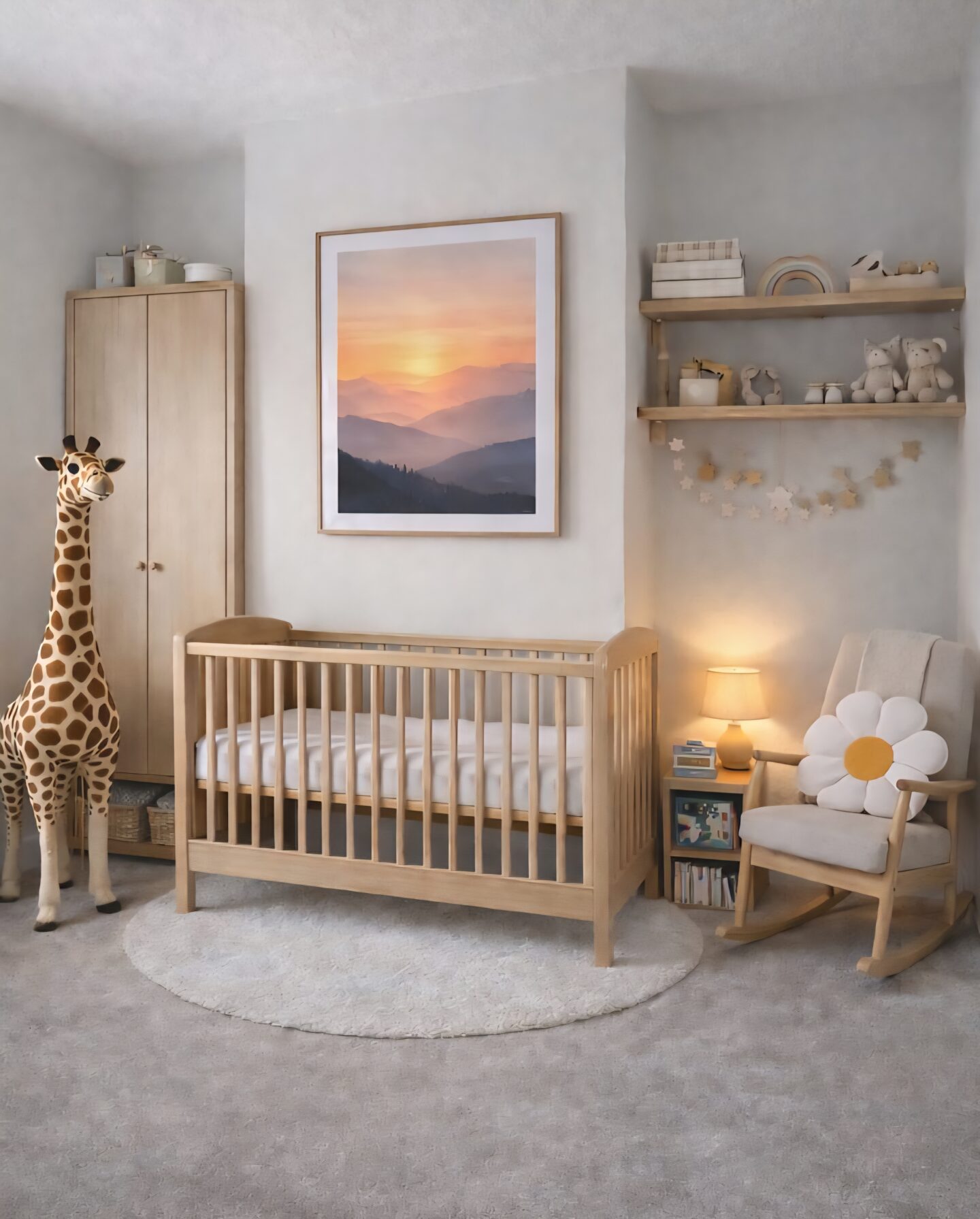
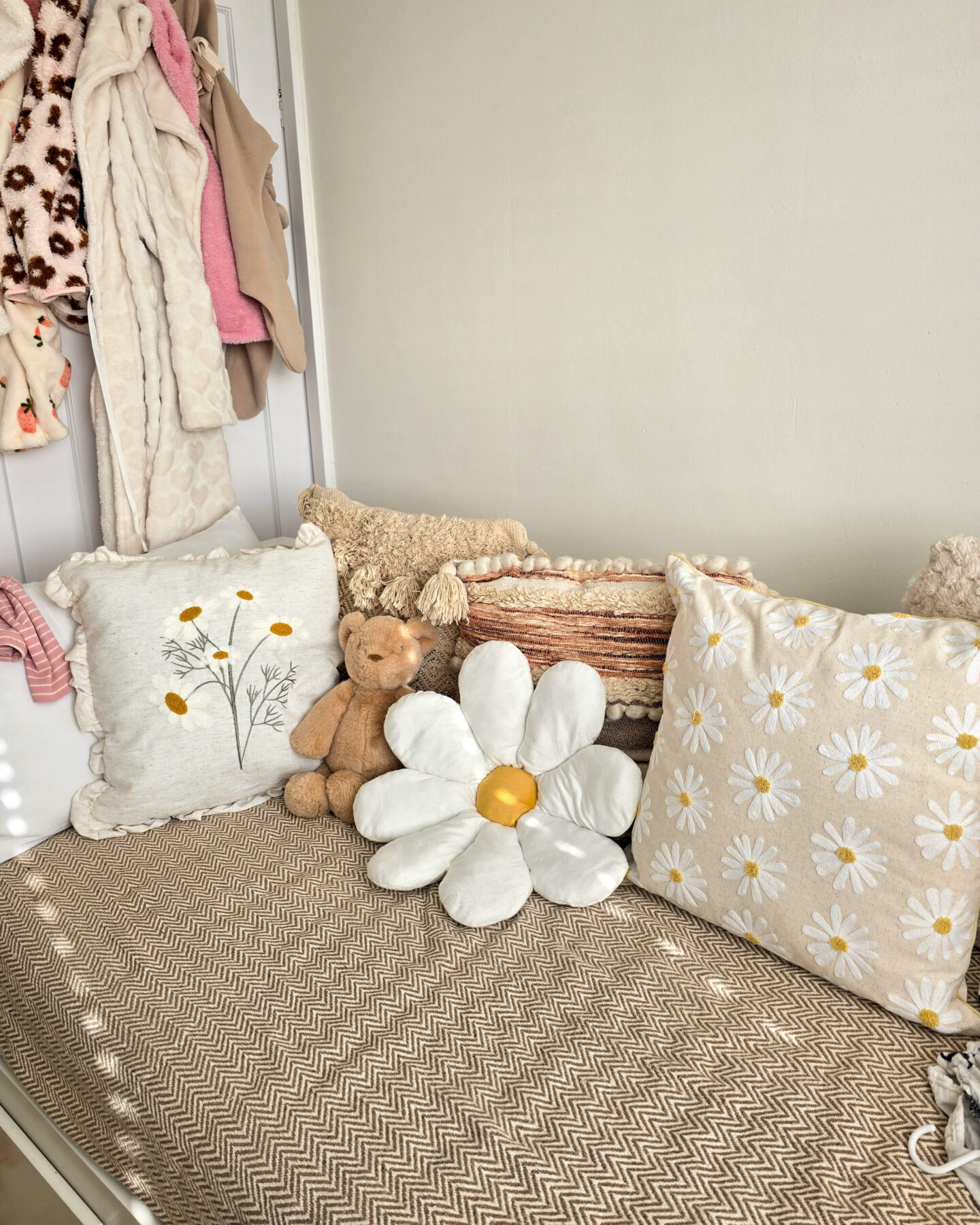
The nursery had also been ready for months. It was a lovely space, carefully planned and decorated, yet it mostly sat unused while we all squeezed ourselves around a bedside crib. Part of me desperately wanted better sleep. Another part of me couldn’t imagine not having her within arm’s reach.
I knew moving her was the right next step for our family, but that didn’t stop it feeling emotional.
I Was More Nervous Than She Was
Like many parents, I worried about how she would cope. Would she cry more? Would she wake constantly? Would she suddenly hate bedtime? As it turned out, she adapted far better than I did.
The first evening felt strangely quiet. For six months I’d become used to hearing every little noise she made overnight. The room felt empty without her. Meanwhile, I found myself checking the monitor constantly. Five minutes would pass and I’d look again. Then another five minutes. Then another. I expected the transition to be difficult for her, but it was actually me who needed convincing that everything was okay.
Creating a Sleep Space That Felt Calm
Before making the move, we focused on keeping everything else familiar. We already had blackout blinds installed, kept the room at a comfortable temperature, used white noise, and followed the same bedtime routine we’d been using for months.
I won’t go into too much detail here because I’ve already shared everything that helped us create a calm nursery space, but keeping the environment consistent helped the room feel familiar rather than completely new. The goal wasn’t to create a perfect sleep environment. It was simply to make the transition feel as gentle as possible.
How I Stopped Checking the Monitor Every Five Minutes
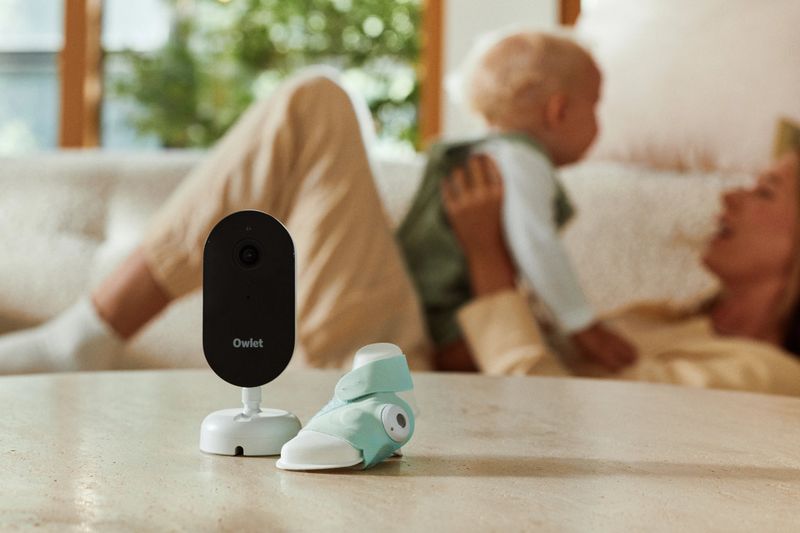
One thing that genuinely helped me during the transition was using the Owlet Dream Sock. To be clear, it didn’t magically remove all of the emotions that came with moving my baby into her own room. I still missed having her next to me. I still found myself listening for noises and occasionally peeking at the monitor. But what it did give me was reassurance.
After spending months worrying about her reflux and getting used to having her so close, moving her into another room felt like a huge leap. Knowing I could monitor her wellbeing gave me confidence that she was okay without me needing to physically check on her every few minutes. What surprised me most was the impact it had on my own sleep.
Instead of waking repeatedly wondering if she was alright, I found it easier to relax and trust that if something needed my attention, I would know. For me, it wasn’t about removing anxiety entirely. It was about reducing it enough that I could finally get some rest too.
What the First Week Actually Looked Like
Night One
I barely slept.
Not because she was awake, but because I was.
I checked the monitor constantly and spent most of the night convincing myself not to go and look at her.
Night Three
The novelty started to wear off.
I still checked the monitor, but less often.
I began noticing that she seemed perfectly content in her new space.
End of Week One
Something shifted.
The room no longer felt unfamiliar.
She settled into her routine.
I settled into mine.
And for the first time, I started to believe that we were both ready for this change.
What Surprised Me Most
I think what surprised me most was how quickly she adapted. I had spent weeks worrying about whether she was ready, only to discover she was far more comfortable with the change than I was. I also hadn’t anticipated how much better everyone would sleep.
When you’re in the middle of a transition, it’s easy to focus on everything you’re leaving behind. What I hadn’t considered was what we might gain from it too. More space. More rest. And a little more confidence that we were both growing into this next stage together.
If You’re Thinking About Moving Your Baby Into Their Own Room
Every baby is different, and every family reaches this point at a different time. For us, the transition felt much bigger in my head than it did in reality. It wasn’t completely emotion-free, and I don’t think I expected it to be. But it was gentler than I imagined.
Looking back now, I realise the hardest part wasn’t moving my daughter into her own room. It was learning to trust that she would be okay there.

Outdoor Adventure, Travel, and Family Editor.
I share stories from my adventures with my daughter, Daisy, practical gear advice, and tips for navigating family life from my experiences.
Follow Sam’s adventures on Instagram @sams_adventures_

