There’s a particular kind of excitement that comes with booking a trip on your own. No negotiating itineraries, no compromising on restaurants, no trying to coordinate everyone’s schedules. Just you, a destination, and the freedom to explore it however you want.
But for many women, that excitement comes with a quiet second voice: Is this actually safe? What if something goes wrong?
The truth is, solo travel can be one of the most empowering things you ever do – but the glossy Instagram version often skips over the practical realities. From navigating unfamiliar cities to dealing with travel disruptions on your own, there are things every woman should know before setting off.
This isn’t about fear-mongering or telling you where you shouldn’t go. It’s about being prepared, confident, and realistic so you can actually enjoy the experience.
If you’re thinking about travelling alone for the first time, here’s the practical guide that most travel articles forget to include.
In This Guide
- Why More Women Than Ever Are Travelling Solo
- Choosing the Right Destination for Your First Solo Trip
- Solo Female Travel Safety Tips Every Woman Should Know
- How to Prepare Before You Travel
- What to Do If Something Goes Wrong While Travelling Alone
- Building Confidence When Travelling Alone
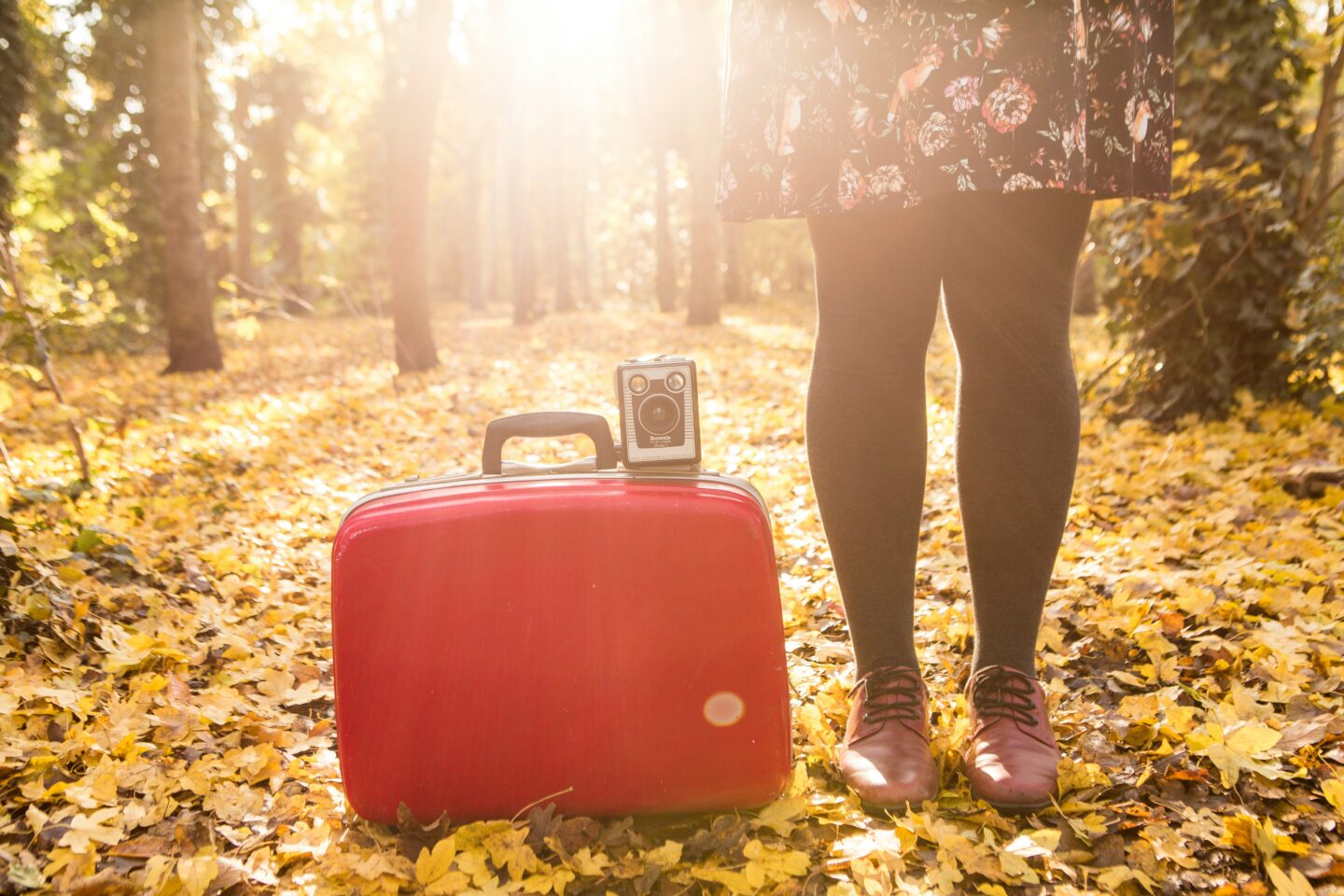
Why More Women Than Ever Are Travelling Solo
Solo female travel has quietly become one of the biggest trends in modern tourism.
More women are choosing to travel alone not because they have to, but because they want the freedom that comes with it. Without the need to compromise on plans, destinations or pace, travelling solo gives you the chance to experience a place entirely on your own terms.
For many women, that freedom is the appeal. You can spend an entire afternoon wandering through a museum, book a last-minute day trip, or simply sit in a café watching the world go by without worrying whether anyone else is bored.
There’s also something deeply confidence-building about navigating a new place on your own. Figuring out a metro system in another language, finding your way through unfamiliar streets, or solving small travel hiccups independently can change how capable you feel in everyday life too.
At the same time, travelling alone as a woman does come with a unique set of considerations. Safety, preparation, and awareness become much more important when you’re the only person responsible for your plans.
The good news is that with the right preparation, solo travel doesn’t have to feel intimidating. In fact, many women find that once they’ve taken their first solo trip, it quickly becomes their favourite way to explore the world.
Choosing the Right Destination for Your First Solo Trip
When it comes to travelling alone for the first time, where you go can make a big difference to how confident you feel.
Your first solo trip doesn’t have to be somewhere remote or wildly adventurous. In fact, many experienced solo female travellers recommend starting somewhere that feels relatively easy to navigate. Cities with reliable public transport, good infrastructure and a steady flow of tourists tend to be much less stressful when you’re figuring things out on your own.
Walkability is another factor worth considering. Being able to move around easily on foot during the day can make exploring feel far more relaxed, particularly if you’re unfamiliar with the local transport system.
Accommodation choices can also play a role in how comfortable you feel. Hotels with 24-hour reception, well-reviewed guesthouses or reputable apartment rentals can offer an extra layer of reassurance when arriving somewhere new… especially if you’re landing late in the evening.
Many women also choose destinations where solo travel is already common. Places that are used to welcoming international visitors often have clearer signage, helpful staff and a supportive travel culture that makes navigating a new environment much easier.
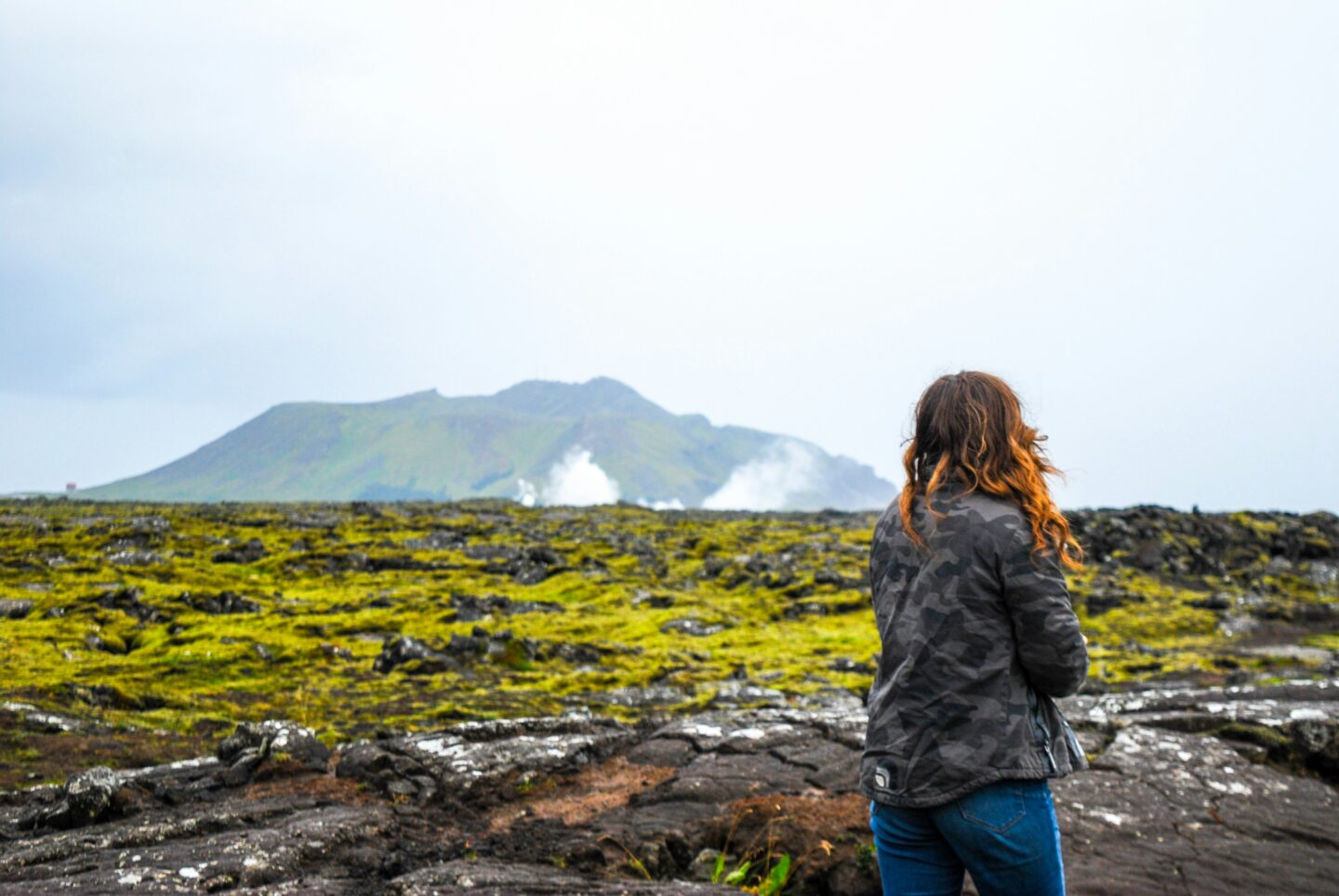
Some destinations are particularly popular with first-time solo female travellers because they combine safety, accessibility and plenty to explore. Places such as Lisbon, Copenhagen, and Amsterdam are often recommended thanks to their walkable centres and strong public transport systems. If you’re looking for somewhere slightly further afield, Japan is frequently praised for its safety and efficiency, while Iceland is known for being one of the safest countries in the world and an incredible place for nature-focused trips.
That doesn’t mean you have to choose one of these destinations… the best place for your first solo trip is ultimately somewhere that genuinely excites you. Confidence grows quickly when curiosity takes over, and travelling alone can transform a destination you’ve always wanted to visit into one of the most memorable experiences you’ll have.
Solo Female Travel Safety Tips Every Woman Should Know
Travelling alone as a woman doesn’t mean constantly feeling on edge, but it does mean being a little more aware of your surroundings and prepared for situations that might come up.
Most experienced solo travellers will tell you the same thing: confidence and preparation go a long way. A few simple habits can make a big difference to how safe and comfortable you feel while exploring somewhere new.
Share Your Plans With Someone You Trust
Before you travel, it’s a good idea to share your itinerary with a friend or family member. This doesn’t have to be overly detailed, but letting someone know where you’re staying and roughly where you plan to be can provide peace of mind for both of you.
Many travellers also enable location sharing on their phones so a trusted person can check in if needed.
Arrive in New Places During the Day if You Can
Arriving in a new city at night when you’re unfamiliar with the area can feel disorienting, especially if you’re travelling alone.
If possible, try to schedule flights or trains that get you to your destination during daylight hours. It makes navigating transport, finding your accommodation and getting your bearings much easier.
If a late arrival is unavoidable, arranging transport to your accommodation in advance can remove a lot of unnecessary stress.
Trust Your Instincts
One of the most valuable safety tools you have while travelling is your own intuition.
If a situation or place feels uncomfortable, you don’t need a logical explanation to leave. Changing seats, walking into a busy shop or café, or simply removing yourself from a situation is always a valid choice.
Most solo travellers develop a stronger sense of awareness over time, and trusting that instinct is often the best decision you can make.
Be Mindful of What You Share Publicly
It can be tempting to post your location in real time on social media while travelling, but many experienced travellers recommend waiting until you’ve left a location before sharing it online.
Posting after the fact still lets you document your trip while avoiding broadcasting exactly where you are in the moment.
Small Habits Can Increase Your Confidence
Simple habits can also help you feel more comfortable moving around unfamiliar places.
Things like walking with purpose, knowing roughly where you’re going before leaving your accommodation, and keeping your phone charged can make a big difference. Even if you’re checking directions on your phone, pausing inside a café or shop rather than standing in the middle of the street can help you stay aware of your surroundings.
None of these precautions mean you should feel nervous about travelling alone. In fact, many women find that once they take their first solo trip, they realise the world is far more welcoming, and far less intimidating, than they expected.
Being prepared simply means you can focus on enjoying the experience.
How to Prepare Before You Travel
One of the biggest confidence boosts before travelling alone is simply being prepared. A little planning before you leave can remove a lot of unnecessary stress once you arrive, especially if you find yourself navigating a new place without anyone else to rely on.
Here are a few practical things experienced solo travellers always do before a trip.
Keep Digital and Physical Copies of Important Documents
Before you leave, make copies of essential documents like your passport, travel insurance details, accommodation confirmations and flight information.
Saving digital versions on your phone or in cloud storage means you can access them easily if needed, while keeping a printed copy in your luggage can be helpful if your phone battery dies or you lose internet access.
Research Transport From the Airport in Advance
Arriving somewhere new is often the moment when people feel most vulnerable while travelling alone.
Looking up the route from the airport to your accommodation ahead of time — whether it’s a train, bus or taxi — can make a huge difference. Knowing roughly how long the journey should take and how much it should cost can also help you avoid confusion or unnecessary stress when you land.
Make Sure You Have Internet Access
Having access to maps, translation tools and transport apps can make navigating a new destination significantly easier.
Some travellers choose to buy a local SIM card on arrival, while others use international roaming or portable Wi-Fi devices. Even downloading offline maps before you leave can be useful in case you lose signal.
Carry a Small Emergency Fund
While most trips go smoothly, it’s always wise to have access to a little emergency money just in case.
This could be a second bank card stored separately from your wallet, a small amount of local currency, or an emergency credit card. Knowing you have a backup option can make unexpected situations much less stressful.
Book Your First Night’s Accommodation in Advance
Even if you prefer to travel spontaneously, having your first night’s accommodation confirmed can make the start of a solo trip feel much more relaxed.
Arriving somewhere new is far easier when you already know exactly where you’re going, especially after a long flight.
What to Do If Something Goes Wrong While Travelling Alone
Even the most carefully planned trips can run into unexpected problems. Flights get delayed, luggage goes missing, trains get cancelled and occasionally plans fall apart completely.
When you’re travelling alone, these situations can feel more stressful simply because you’re the only person dealing with them in the moment. But having a rough plan for how to handle common travel issues can make a big difference.
If Your Flight Is Delayed or Cancelled
Flight disruptions are frustrating for any traveller, but they can feel especially overwhelming when you’re navigating them on your own in an unfamiliar airport.
The first step is to stay calm and speak to airline staff as soon as possible about your options. Depending on the situation, you may be offered an alternative flight, meals or accommodation if the delay is significant. It’s worth speaking to a third party such as AirHelp to understand your rights in these situations.
Many travellers also don’t realise that in some cases, airlines are required to compensate passengers for long delays or cancellations. If dealing with the claims process feels complicated, some people choose to claim flight compensation with the help of AirHelp, which handles the paperwork and communication with the airline on your behalf.
Knowing that support options exist can make travel disruptions feel far less intimidating.
If Your Luggage Goes Missing
Lost luggage happens more often than most people expect, but airlines usually track bags quickly once a report has been filed.
If your suitcase doesn’t arrive, head straight to the airline’s baggage desk before leaving the airport. Make sure you receive a reference number so you can track the status of your bag.
Packing a few essentials like medication, a change of clothes and toiletries in your carry-on can make this situation far easier to manage if it happens.
If You Lose Your Passport
Losing a passport while travelling can feel alarming, but there are clear steps to resolve it.
Contact your country’s embassy or consulate as soon as possible. They can issue emergency travel documents that allow you to return home or continue your journey. Having a copy of your passport saved digitally can also help speed up the process.
If You Feel Unsafe or Uncomfortable
If a situation makes you uncomfortable while travelling, the most important thing is to remove yourself from it.
Walking into a busy shop, café or hotel lobby can provide a safe space to regroup if you feel unsure about your surroundings. Transport staff, hotel employees and tourist information centres are also good places to ask for help if you need directions or advice.
The reality is that most trips run smoothly. But knowing how to respond if something unexpected happens can give you the confidence to handle challenges calmly – and continue enjoying your travels.
Building Confidence When Travelling Alone
It’s completely normal to feel nervous before your first solo trip. For many women, the biggest barrier isn’t logistics — it’s simply the idea of stepping outside their comfort zone.
The good news is that confidence tends to build very quickly once you’re actually on the road.
Start Small if You Need To
Your first solo trip doesn’t have to be a month-long adventure on the other side of the world.
Many women start with a short city break or a destination that feels relatively familiar. Even a weekend away can help you get comfortable navigating airports, checking into accommodation and exploring a new place independently.
Once you’ve done it once, future trips often feel far less intimidating.
Give Yourself Structure When You Arrive
One of the easiest ways to feel more confident in a new destination is to have a loose plan for your first day or two.
Booking a walking tour, visiting a well-known attraction or choosing a few cafés or neighbourhoods you want to explore can give you a starting point. Having a small structure to your day helps you settle in and feel more comfortable moving around.
Don’t Be Afraid to Talk to People
Solo travel doesn’t mean you’ll be alone all the time. In fact, many travellers find they meet more people when travelling solo than when they travel in groups.
Chatting with other travellers on tours, asking locals for recommendations or simply striking up conversation in cafés can lead to unexpected connections and memorable experiences.
Trust Yourself
One of the most valuable things solo travel teaches you is how capable you really are.
Navigating unfamiliar places, making decisions independently and handling small challenges along the way all build a sense of self-reliance that often carries over into everyday life.
The first trip may feel like a leap, but many women discover that once they’ve taken it, the world suddenly feels much more open to explore.
Why Every Woman Should Experience Solo Travel at Least Once
There’s something quietly transformative about travelling alone.
When you’re the one making every decision — where to go, what to see, how to spend your time — you begin to experience a destination in a completely different way. Without the influence of anyone else’s preferences or schedules, you learn what genuinely interests you and how you like to explore.
Solo travel also teaches you a surprising amount about yourself. Navigating unfamiliar places, solving small problems along the way and stepping outside your comfort zone can build a level of confidence that often stays with you long after the trip is over.
Of course, travelling alone as a woman does come with considerations that aren’t always discussed in typical travel guides. Thinking about safety, preparation and how to handle unexpected situations is simply part of travelling responsibly.
But preparation doesn’t have to take away from the experience – if anything, it makes it easier to relax and enjoy the freedom that solo travel offers.
For many women, that first trip becomes the start of something much bigger. What begins as a slightly nerve-wracking decision to travel alone often turns into a love for exploring the world on your own terms.
And once you realise you can do it, the possibilities for where you might go next suddenly feel a lot wider.

Just a group of real women dealing with life’s daily struggles! Want to write for us? Email: hello@thedailystruggle.co.uk

