I didn’t book this trip because I wanted to see another European capital tick itself off a list. I booked it because my shoulders had been living somewhere near my ears for the better part of a year, and I’d stopped being able to tell the difference between a holiday and another item on a to-do list.
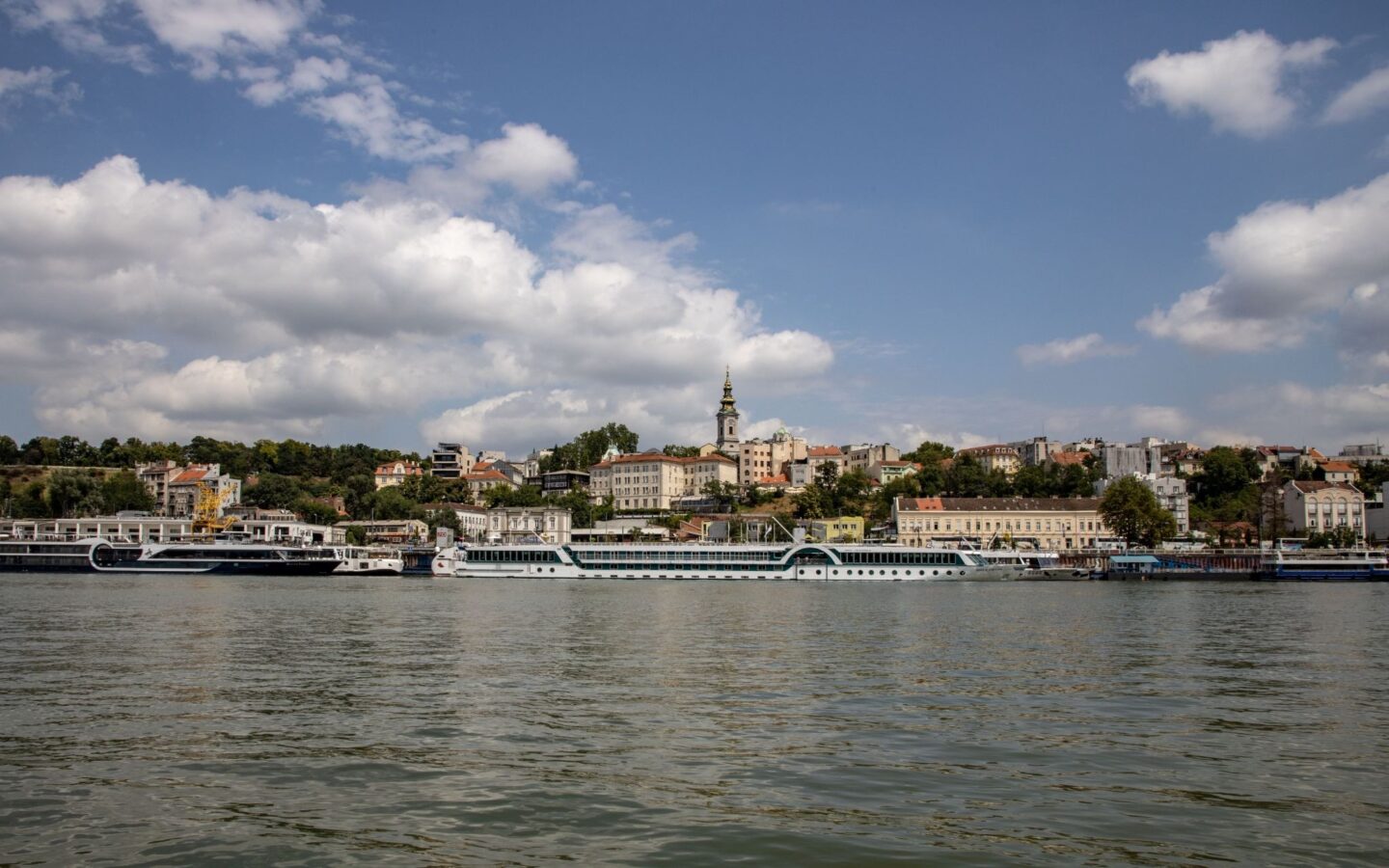
What I found instead was something closer to a reset button, and it had almost nothing to do with sightseeing and everything to do with the pace the water forced on me.
When Every Holiday Starts to Feel Like Admin
For years my version of a break looked like a spreadsheet with wheels. Flight connections, hotel check-ins, a new bed every second night, the low hum of logistics running constantly under whatever I was supposedly enjoying.
I never clocked how much of that was actually stress until I stopped doing it. There’s a reason our bodies respond to constant transitions the way they do.
The nervous system reads unpredictability and repeated decision-making as low-grade threat, which is part of why the autonomic nervous system keeps firing off small stress responses even on trips that are supposed to be restful. I’d never connected that science to my own holidays before, but it explained a lot about why I’d come home from previous trips more depleted than when I left.
What It Actually Felt Like to Slow Down on the Water
The shift happened almost immediately once we were on the river. There was no packing and unpacking each night, no scrambling for the next train platform, no mental math about how tight a connection might be.
My cabin was the same cabin for the whole trip, and that single detail did more for my stress levels than any spa treatment could have. I unpacked once, on the first afternoon, and didn’t touch my suitcase again until it was time to go home.
This was, as it turned out, one of the Belgrade river cruises, and the itinerary itself was built around that same unhurried logic, gliding overnight while I slept so the destinations simply arrived rather than requiring me to chase them down.
Mornings meant waking up somewhere new without having had to do anything to get there, coffee in hand, watching the banks slide past instead of hauling bags through a station.
That kind of physical stillness, paired with actual movement through the landscape, seemed to do something measurable to how I felt by the second day.
Research on time spent near natural environments has repeatedly shown that even brief exposure can meaningfully lower cortisol and stress markers, and sitting on deck for an hour with nothing scheduled felt like the human version of that data point.
There was no itinerary pressure pushing me to be somewhere else. If I wanted to skip an excursion and just watch the water, that was allowed, and I did it more than once.
Kalemegdan, the Confluence, and a City That Doesn’t Rush
Belgrade itself matched the rhythm of the boat rather than fighting it. Walking up into Kalemegdan Park on a quiet morning, I stood where the Sava meets the Danube and understood, in a very unacademic way, why people have fought over this exact spot for centuries.
The fortress sits at a confluence that has shaped the city for millennia, and there’s something grounding about standing at a literal meeting point of two rivers while your own thoughts finally slow down enough to notice where you are.
I’d been the kind of traveller who filled every hour with something to do, largely because I’d never separated relaxation from constant motion.
This trip quietly dismantled that habit. I’d already been thinking about the difference between a holiday that looks restful on paper and one that is actually regulating for the body, a distinction I later found articulated well in a piece on what wellness travel really means, and Belgrade was the first trip where I felt that difference rather than just read about it.
The city didn’t demand a checklist. Skadarlija’s cobbled lanes and the floating cafés along the river invited wandering rather than scheduling, and for once I let a place set the pace instead of the other way round.
Even the walking felt different, slower, more deliberate, because I wasn’t racing to fit in one more sight before a train. I noticed smells, the specific grey-green of the Sava against the darker Danube, the way locals seemed entirely unbothered by tourists, going about ordinary Tuesday errands along a riverbank that happens to be extraordinary.
What I Carried Home
Nothing dramatic happened on this trip. No epiphany, no life-changing revelation, no moment on deck where everything suddenly made sense.
I want to be honest about that, because the “one trip fixed me” genre does nobody any favours and I’ve read enough of those to feel worse afterwards, not better.
What I came back with was smaller and more useful than that. I had a week’s worth of evidence that my baseline could be different. And once you’ve actually felt what your body is like when it isn’t braced for the next transition, it gets very hard to keep pretending the frantic version is normal.
That’s the bit that stayed with me. Not Belgrade specifically. The proof.
The Bits That Weren’t Perfect (Because They Never Are)
I’d feel like a fraud if I wrote all that without the caveats, so here they are.
The pace that saved me would drive some people genuinely mad. If you’re the kind of traveller who wants three cities in four days, you’ll be climbing the walls by the second afternoon, and no amount of scenery fixes that. This is a slow holiday. That’s the entire point, and it’s also the main reason to book something else.
It’s not remote, either. You’re on a river, which means you’re never far from a bank, a road, or a town. I found that oddly comforting. If you’re picturing wilderness and total disconnection, adjust the picture.
The group thing is unavoidable. Same faces, same dining room, same deck, every single day. I got lucky with mine. If you don’t, there’s nowhere to disappear to, and I think that’s worth knowing before you book rather than after.
And it isn’t cheap. It costs more than a week in an apartment somewhere sunny, and I’m not going to pretend otherwise or dress up “nervous system reset” as though it’s equally available to everybody. It’s a big spend. Whether it’s worth it depends entirely on what’s been wearing you down.
So Would I Actually Recommend It?
Yes — but specifically, and not to everyone.
If you’re depleted rather than bored, this works. If the thing draining you is the sheer volume of small daily decisions rather than any lack of excitement in your life, then removing those decisions isn’t a nice bonus. It’s the whole treatment.
If what you want is stories, spontaneity and a different bed every night, book literally anything else. You’ll find the calm irritating and you’ll spend the week wishing you were somewhere with more going on.
One thing I’d do differently: decide before you go that you’re allowed to skip things. I lost the first day and a half to a low guilt about not maximising the itinerary — which is, obviously, the exact pattern I’d spent money to interrupt. Nobody checks. Nobody minds. The excursion runs whether you’re on it or not.
What Actually Stuck When I Got Home
Three things, none of them profound, all of them still going.
I stopped putting anything in the first hour after I wake up. No phone, no list, no deciding. That hour is the closest I get at home to standing on that deck watching the bank go past.
I walk near water when I can. Not as a wellness practice with a name and a hashtag, just because I noticed it worked and I stopped needing a better reason than that.
And I stopped treating rest as something I have to earn by finishing everything first. That was the real souvenir. Everything on my list was still there when I got back, exactly as unfinished as I’d left it, and the world had carried on regardless.
Which rather suggests it could have waited all along.
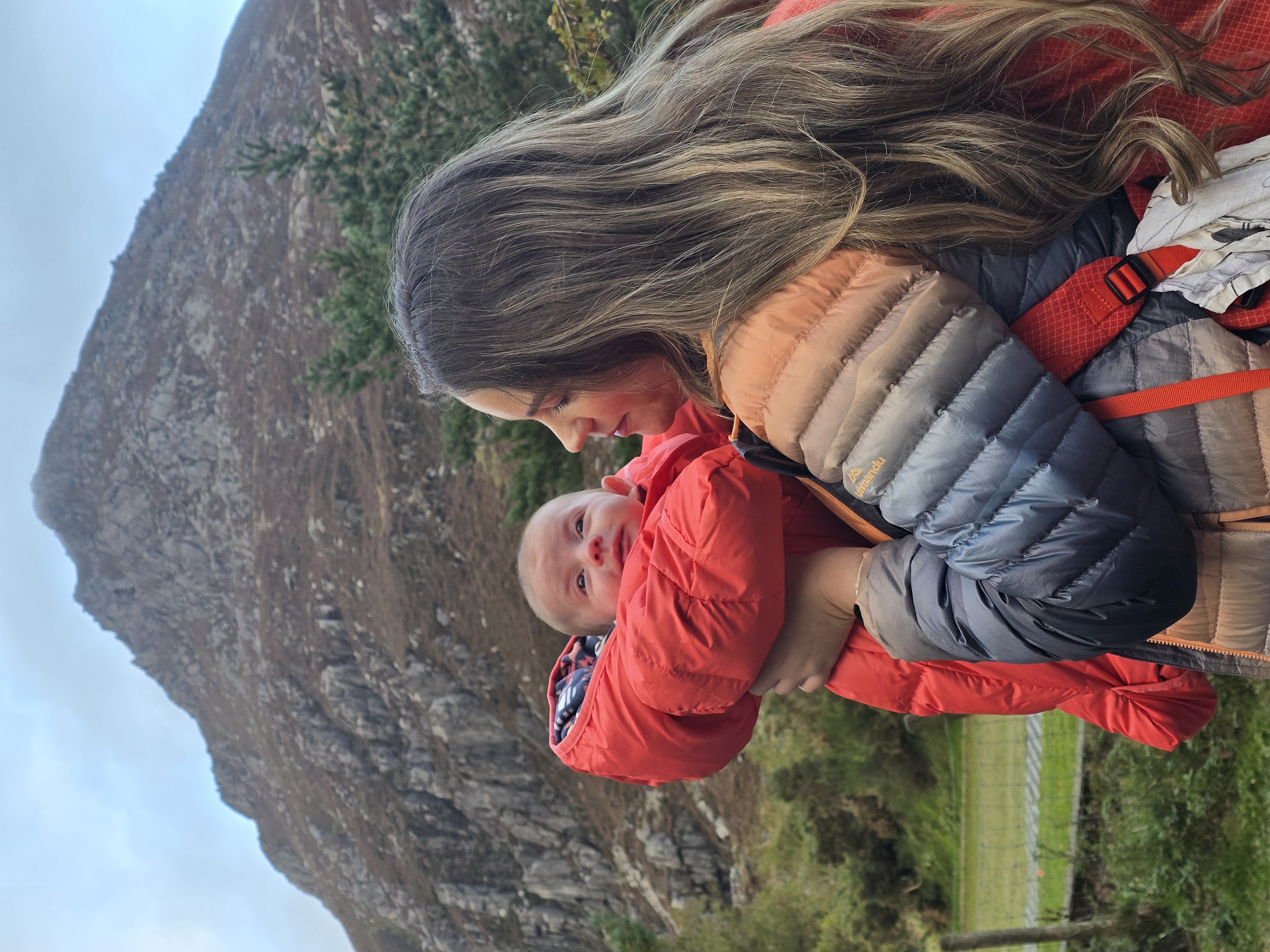
Outdoor Adventure, Travel, and Family Editor.
I share stories from my adventures with my daughter, Daisy, practical gear advice, and tips for navigating family life from my experiences.
Follow Sam’s adventures on Instagram @sams_adventures_

