Hair toner is one of those beauty terms that sounds fairly straightforward until you actually try to buy one. There are purple shampoos, toning masks, glosses, colour-depositing treatments and salon toners – all promising some variation of brighter, fresher, less brassy hair.
As someone with highlighted blonde hair, I’ve spent plenty of time trying to get that just-left-the-salon colour back at home. More recently, I tried several different toning products on hair that was already feeling pretty dry and overdue some TLC, and it reminded me of something quite important: sometimes the answer isn’t more toner.
That doesn’t mean hair toners don’t have their place. Used for the right reason, they can be really useful for refreshing colour between appointments. The trick is understanding what you actually want the product to do – and what condition your hair is in before you start.
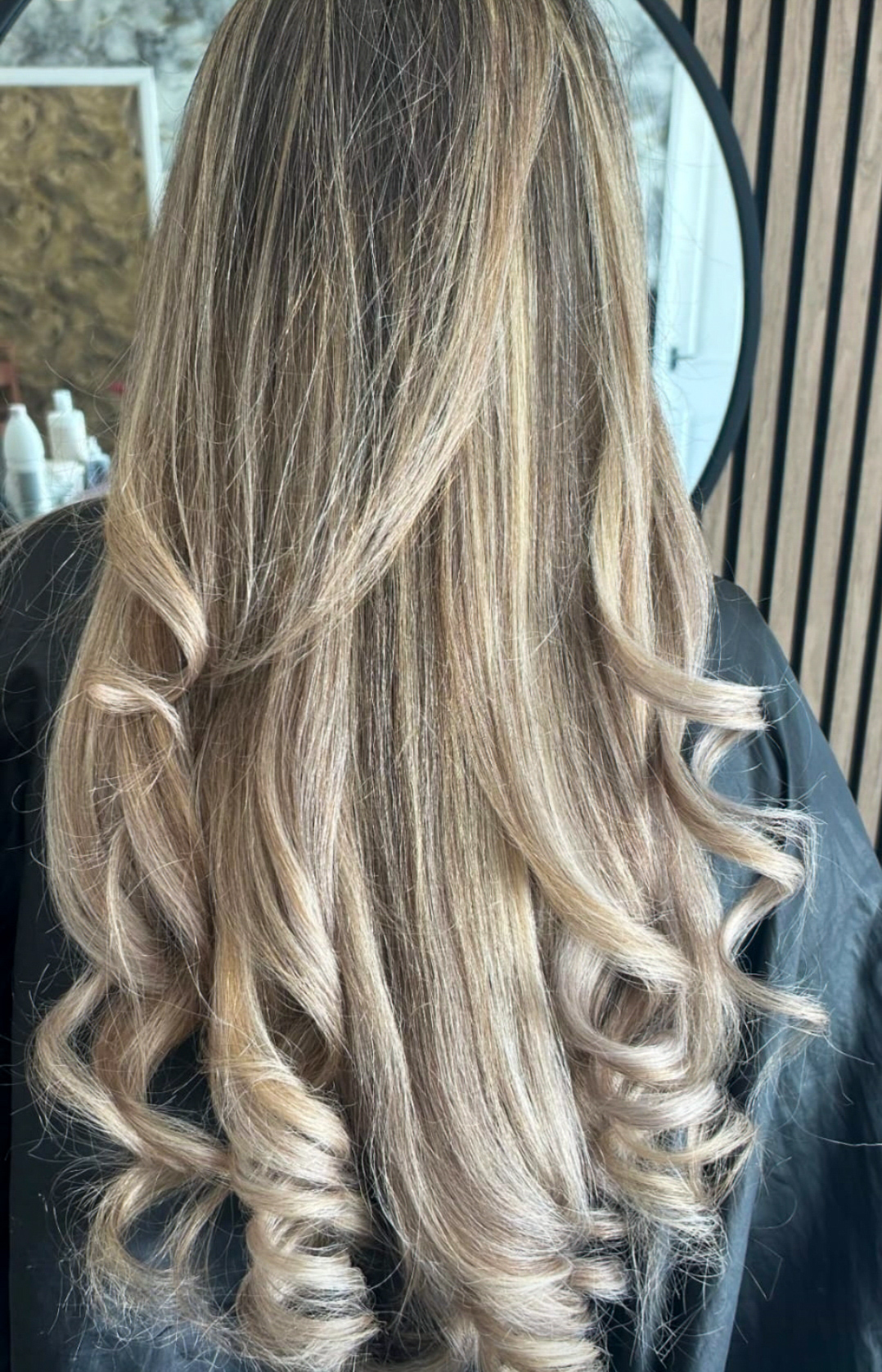
What do hair toners do?
At their simplest, hair toners adjust the tone of your existing hair colour. They don’t generally lighten your hair in the way bleach does. Instead, they can neutralise unwanted tones or subtly shift the overall finish of your colour.
For blonde hair, that often means using violet pigments to counteract yellow tones. Blue-based products can be used to tackle more orange or brassy tones, while other toners deliberately add warmth, beige, champagne or golden tones.
This is also why “toner” doesn’t automatically mean “make my hair as cool as possible”. Sometimes the nicest result is simply making the existing colour look a little more balanced and intentional.
And then there’s gloss. Although glossing and toning overlap, a gloss is often chosen as much for shine and colour refreshment as it is for correcting unwanted tones.
Toners for blonde hair: what are you actually trying to change?
Before reaching for a toner for blonde hair, it helps to look at what’s bothering you about the colour.
If your blonde has developed noticeably yellow tones, a violet toning product may help neutralise them. If it’s more orange or deeply brassy, purple alone might not give you the result you’re imagining.
Then there are blondes that aren’t particularly brassy at all – they’ve just lost some of their shine and dimension between appointments. In that case, a glossing or conditioning colour treatment might make more sense than repeatedly piling on purple pigment.
Anna, founder of wiig, explains why identifying where the warmth in your hair is coming from matters before reaching for a toner:
“It’s really important to identify where the warmth you’re wanting to correct is coming from. If you have some deeper brassy bits alongside lighter bits, toner can actually make things worse by cleaning up the lighter areas and making them cooler, while not doing as much to the deeper areas, as these can take longer to tone. Sometimes the toner also won’t be deep enough to correct those areas.
This can create more of a contrast between the cooler, lighter pieces and the warmer areas, actually making the brassy bits look brassier.
Toners will always act first, and most noticeably, on the lightest bits. They also tend to grab more on the ends and on porous hair, so the lightest areas can tone more and more quickly. It’s important to keep this in mind and make sure you apply your toner evenly.”
That distinction became particularly obvious while testing products on my own hair. I had several different shades running through my highlights, darker regrowth and hair that was already feeling dry. There was only so much an at-home toner was realistically going to achieve.
Purple shampoo, toning mask or hair gloss?
This is probably where at-home toning gets most confusing because the products can look as though they’re doing the same job.
Purple shampoo is perhaps the most familiar option. It slots into the washing stage and deposits violet pigment to help counteract yellow tones. Depending on the strength of the formula and the condition of your hair, it might be something you use occasionally rather than at every wash.
A toning mask combines colour correction with more of a conditioning step, which can make it an appealing alternative for hair that already feels dry.
Then there are toning treatments and glosses, which can be used to tweak the overall colour, add shine or refresh the appearance of salon colour between appointments.
None is automatically better than the others. They’re simply different ways of maintaining colour.
Toners for bleached hair: condition matters too
Bleached and highlighted hair can already be more vulnerable to dryness, so I’ve become much more conscious of how my hair actually feels rather than focusing entirely on the colour. My hair has also been through postpartum shedding and regrowth, which has made me much more conscious of its condition and how I treat it.
This was probably my biggest takeaway from trying several toners recently.
My hair had become quite dry and tangled, and there came a point where continuing to chase individual yellow sections wasn’t making much sense. The colour wasn’t necessarily the only problem anymore; the condition of my hair needed some attention too.
It has made me much less inclined to keep throwing products at my blonde simply because I don’t like the tone that week.
Sometimes a conditioning treatment and a bit of patience are the more sensible option.
Are toners bad for your hair?
Hair toner itself isn’t automatically bad for your hair, but that’s a slightly oversimplified way of looking at it.
There are lots of different formulations sold as toners. A conditioning colour mask is a very different product from a strongly pigmented shampoo, for example. How your hair responds can also depend on its existing condition, porosity and colour history.
My own experience was a useful reminder of that. After experimenting with toning products, my already-dry hair became extremely difficult to detangle and felt coarse once dry. Rather than continuing to tone it until I achieved the colour I wanted, I stopped.
That’s perhaps the most useful thing I’ve learned from the whole experiment: good hair colour isn’t particularly enjoyable if you hate how your hair feels.
How long do toners last on hair?
There’s no universal answer to how long toners last on hair because “toner” covers so many different products.
At-home shampoos, masks and colour-depositing treatments will generally fade gradually as you wash your hair, while a professional salon toner may behave differently.
How quickly the effect disappears can also depend on your hair, how frequently you wash it, the products you use and how porous the hair is.
It’s better to think of most at-home toning products as colour maintenance rather than permanent colour correction.
Do toners work on grey hair?
Toners can also be used on grey and silver hair, particularly when naturally grey hair develops unwanted yellow tones.
Again, the desired result matters. Someone wanting to keep silver hair looking cool and bright has a very different goal from someone who wants to blend warmth into blonde hair.
Products designed specifically for grey or silver hair are worth looking for rather than assuming every blonde toner will produce the same result.
At-home hair toners and treatments worth knowing about
Having tried and researched quite a few different formulas recently, one thing is clear: I don’t think there is a single best hair toner for everyone.
Instead, these are some of the products I’ve come across and where they fit into the increasingly large world of at-home colour maintenance.
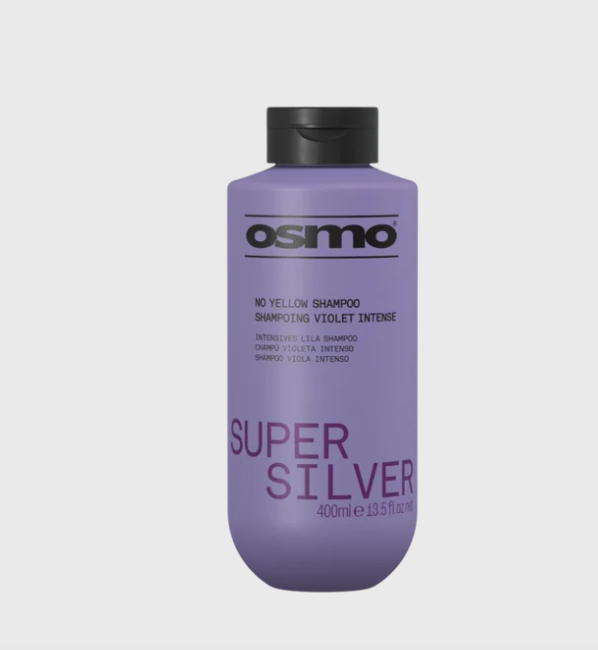
OSMO Super Silver No Yellow Shampoo
For blonde, grey and bleached hair where yellow tones are the main concern, OSMO Super Silver No Yellow Shampoo is the traditional purple-shampoo approach.
It’s an intensely violet shampoo designed to neutralise unwanted yellow tones and revive cooler blonde and silver shades. I’d look at this as an occasional colour-maintenance product rather than simply swapping it for your normal shampoo without thinking about what your hair actually needs.
OSMO also makes a Super Silver No Yellow Mask, which offers another route for anyone who likes the idea of toning during the conditioning stage rather than relying solely on shampoo.
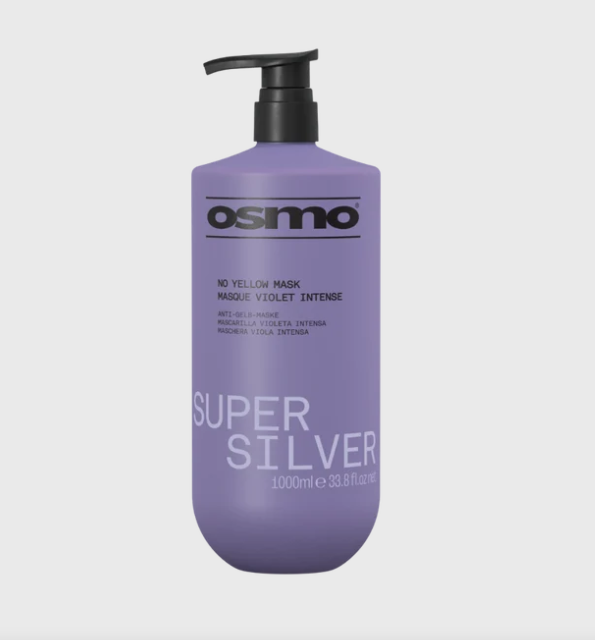
OSMO Super Silver No Yellow Mask
The OSMO Super Silver No Yellow Mask combines violet pigments with the format of a hair mask, making it particularly interesting for blonde hair where tone and condition are both part of the conversation.
It’s designed to help neutralise yellow tones while conditioning the hair, so could be an alternative to using a purple shampoo or something to work into a wider blonde-maintenance routine.
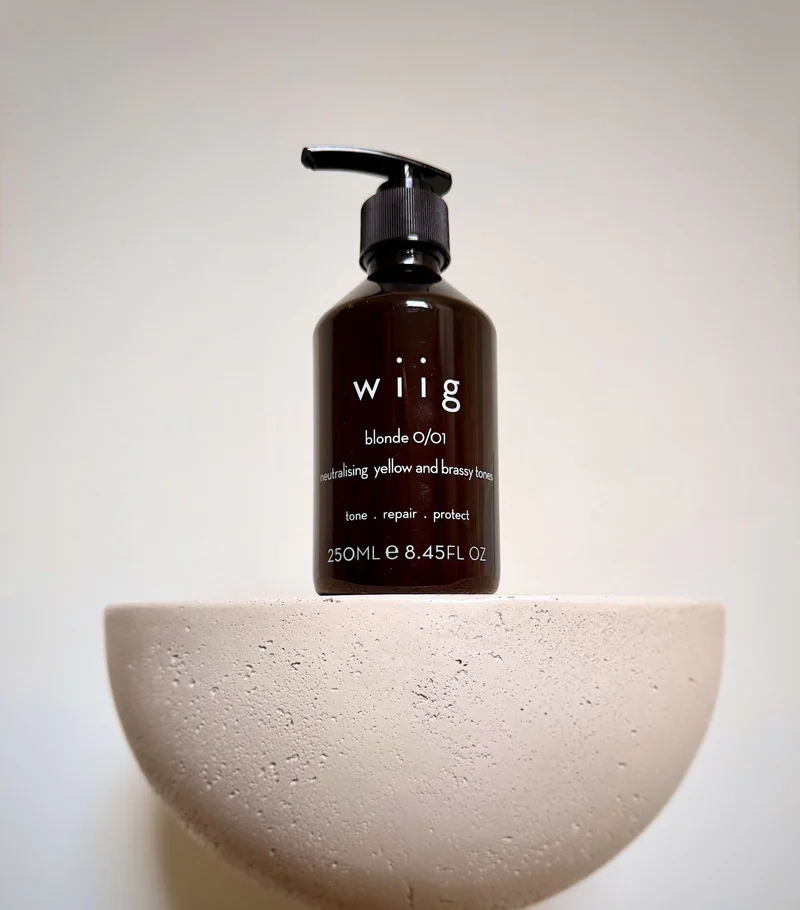
Wiig Blonde Toning Treatment
Created by a blonde specialist, it’s a toning treatment designed to create more of a soft, creamy blonde rather than an extremely ashy finish. The formula also combines toning with protein, moisture and bond-focused care.
I really liked the treatment-led approach, particularly that it feels more like a proper hair treatment than another purple product you’re adding to the shower. For me, though, I was trying to correct several different tones at once and some of my lighter sections were still warmer than I wanted afterwards.
I think that’s more a reflection of what my hair needed at the time than the product itself. I’d be more inclined to recommend Wiig Blonde for an already fairly even blonde that needs a refresh between salon appointments, particularly if you prefer a softer, creamy blonde rather than a very cool or ashy finish.
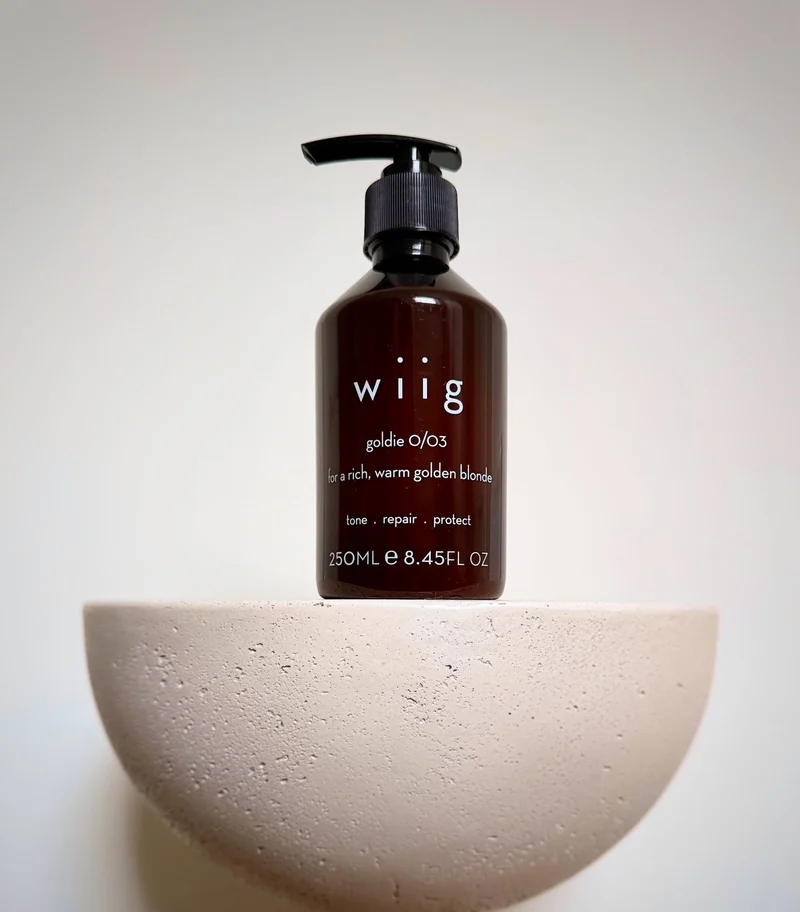
Wiig Goldie 0/03
Not every blonde is trying to eliminate warmth, and Wiig Goldie 0/03 is a useful reminder that toner doesn’t automatically mean cooler, ashier hair.
Designed to create a rich, champagne-gold blonde, Goldie deliberately adds warmth rather than trying to cancel every golden tone. Like Wiig Blonde, it combines toning with protein, moisture and bond-focused care, so it’s designed as a treatment as well as a colour refresh.
While I didn’t test Goldie myself -my own hair needed less warmth, not more – another TDS writer did. She loved the softer golden finish it gave her blonde, particularly because it added warmth without leaving the colour looking overly yellow. She also liked the treatment-led formula, which left her hair feeling conditioned rather than as though she’d simply added another colour-correcting product.
For warmer blondes, or anyone who finds traditional purple toners can leave their colour looking a little too cool or flat, Goldie is the one we’d reach for. It gives blonde more of a rich, champagne-gold finish while still feeling like part of a proper haircare routine.
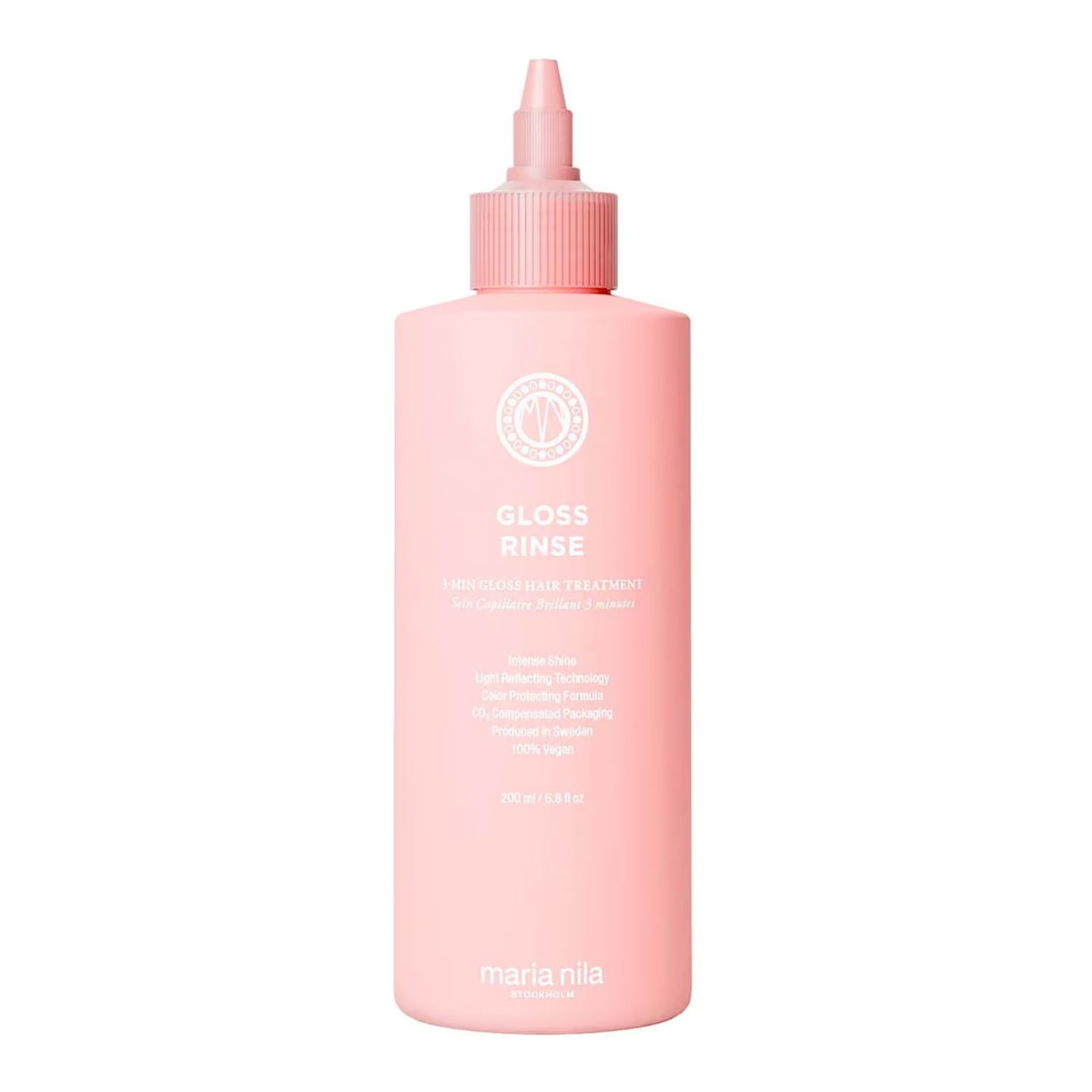
Maria Nila Mirror Gloss Rinse
Not every product in a colour-maintenance routine needs to change the tone of your hair. Maria Nila Mirror Gloss Rinse sits more on the glossing side of things, designed to give dull hair a smoother, shinier finish rather than neutralising yellow or brassy tones.
It’s a rinse-out treatment used between shampoo and conditioner, making it an easy addition when the colour itself isn’t necessarily the problem but your hair has lost some of that fresh-from-the-salon gloss.
After spending far too much time concentrating on whether my blonde looked too warm or too cool, I actually think this is an important distinction. Sometimes what makes blonde look a little tired isn’t the tone at all – it’s simply that the hair has lost some of its shine.
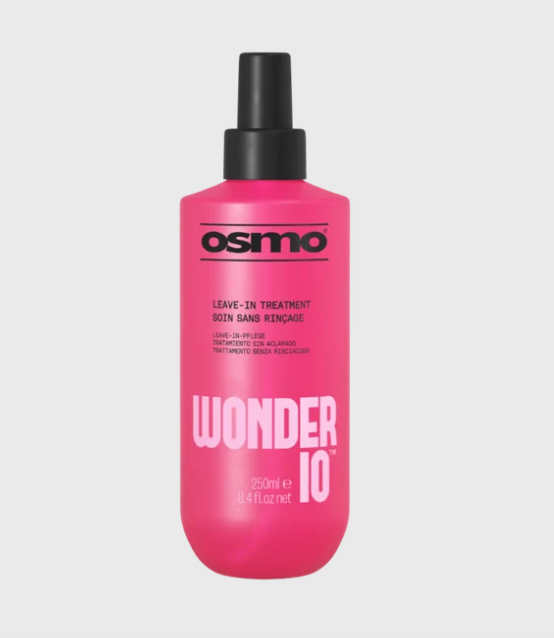
OSMO Wonder 10 Leave-In Treatment
This isn’t a toner, but it deserves a brief mention because colour isn’t the only thing highlighted hair needs.
OSMO Wonder 10 is a multi-purpose leave-in treatment designed to help with detangling, conditioning, frizz and split ends, alongside heat protection and styling benefits.
After my own toning experiment left me far more concerned about getting a brush through my hair than whether one highlight looked slightly yellow, this side of blonde maintenance suddenly felt considerably more important.
Sometimes your blonde might just need a break
The slightly inconvenient conclusion I’ve reached after trying to perfect my blonde at home is that there isn’t always a product-shaped solution.
Toners can be brilliant for maintaining a colour you already love, knocking back unwanted warmth or stretching the time between salon appointments. But they can’t necessarily correct every variation in highlighted hair, and adding more pigment isn’t always the answer when the hair itself is asking for a bit of kindness.
For now, I’m giving mine exactly that.

Outdoor Adventure, Travel, and Family Editor.
I share stories from my adventures with my daughter, Daisy, practical gear advice, and tips for navigating family life from my experiences.
Follow Sam’s adventures on Instagram @sams_adventures_

