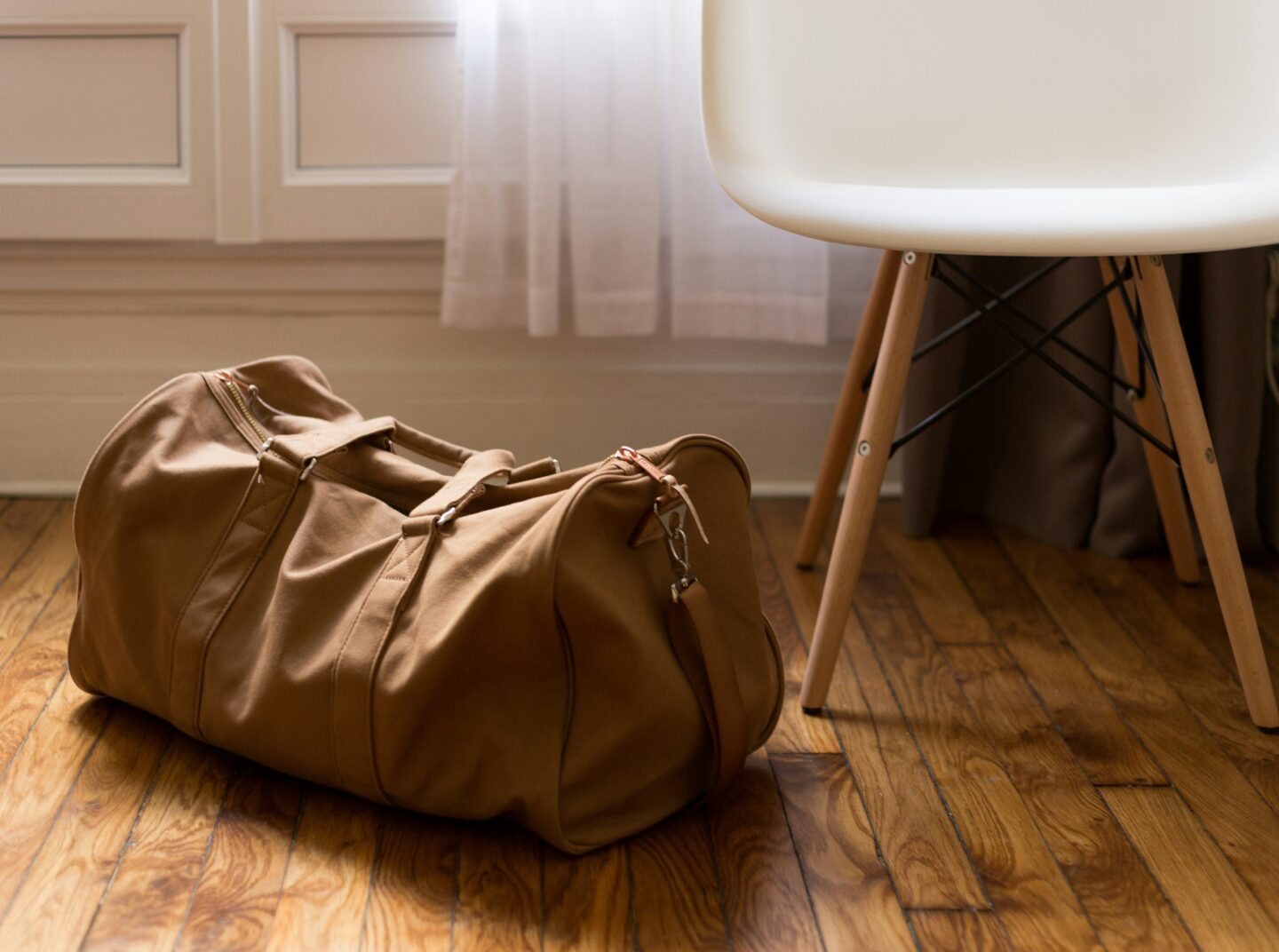
The nesting instinct is kicking in, and with it comes the exciting, sometimes overwhelming, urge to prepare for your little one’s arrival. As your due date approaches, you’re likely ticking off countless items on your to-do list, but one of the most crucial is packing your hospital bag. Forget last-minute scrambling or realising you’ve left essentials behind; a thoughtfully packed bag can make all the difference in ensuring a smoother, more comfortable experience for you, your baby, and your birth partner. Here’s our list of recommended essentials to help you get prepared.
Why You Need a Hospital Bag
A well-stocked bag ensures you have your preferred toiletries, comforting items to help you relax during labour, and the specific clothing that will make your postpartum recovery more bearable.
When to Pack Your Hospital Bag
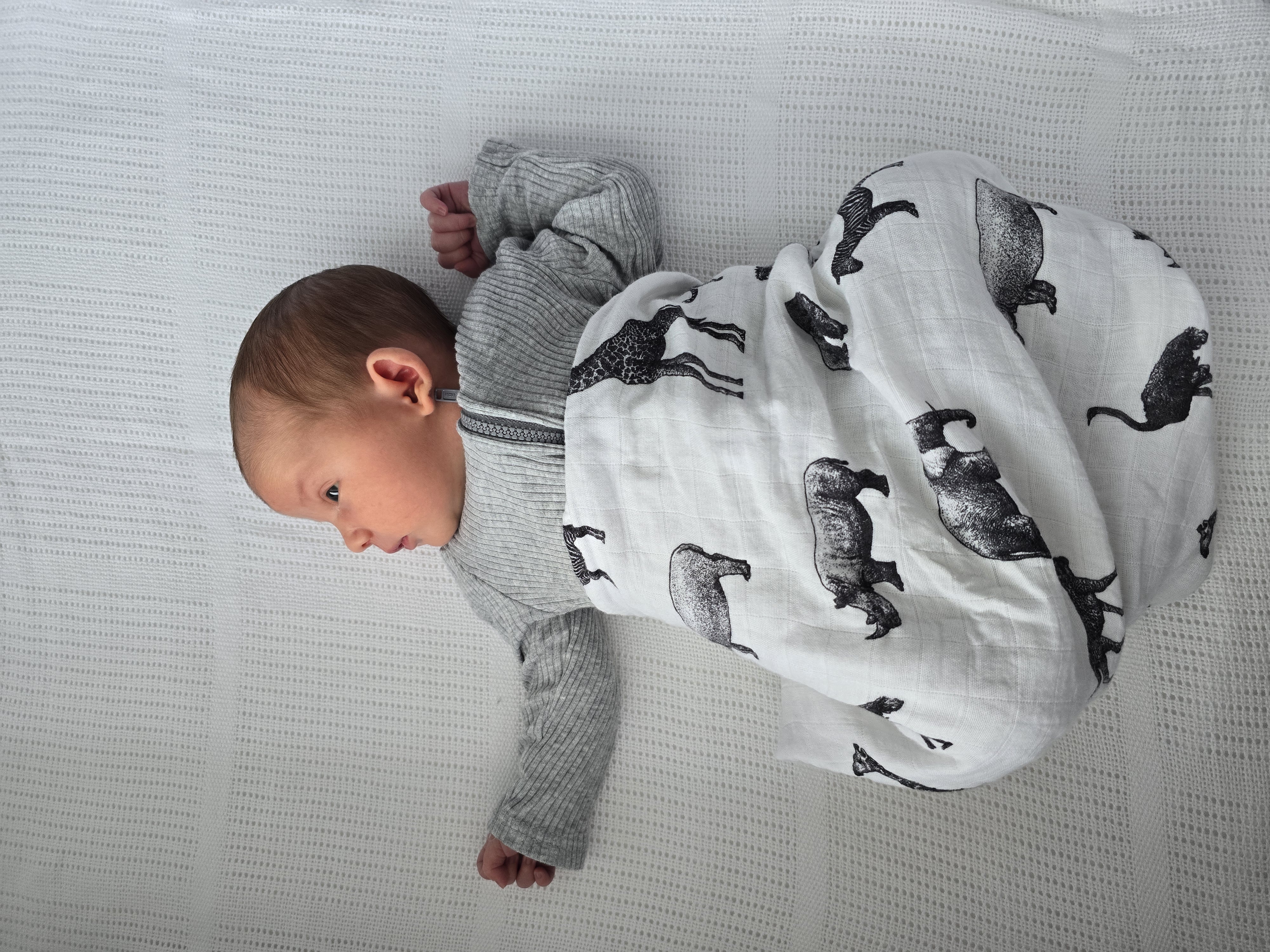
The general consensus for packing your hospital bag is around 36 to 37 weeks of pregnancy. This timeframe offers a comfortable buffer, as it’s late enough that most of your essential purchases are likely complete, but early enough to account for unexpected early labour. However, if you have a high-risk pregnancy, are expecting multiples, or simply have a strong nesting urge, you might consider packing it a little earlier, perhaps around 32-34 weeks. The key is to have it ready and waiting by the door.
For Mum (The Essentials)
Okay, let’s dive into the most extensive and perhaps most personal section: “For Mum (The Essentials).” This covers everything from the intense moments of labour to the crucial period of postpartum recovery, focusing on your comfort and practical needs.
From labor comfort aids to postpartum recovery essentials, here’s a comprehensive list of what to pack for yourself:
Labour & Delivery Specifics:
- Hospital notes (if they’re not online)
- Comfort Items:
- Lip Balm: Labour can be dehydrating, and dry lips are common.
- Hair Ties/Headband: Keeping hair off your face is a blessing during labour.
- Essential Oil Diffuser & Oils: (Check hospital policy first) Calming scents can aid relaxation.
- TENS Machine (if using): Ensure it’s charged and you know how to use it.
- Slidets or Slippers (non-slip): Hospital floors can be cold, slippery and dirty!
- Water Bottle with Straw: Easier to sip from during labour, especially if lying down.
- Snacks: While you might not be allowed to eat during active labour, your partner will appreciate them, and you might get a small window for light snacks.
- Phone Charger (extra long cord): Hospital outlets can be inconveniently placed.
- Headphones/Small Speaker: For music, guided meditations, or white noise.
Postpartum Comfort & Recovery:
- Comfortable Pajamas/Nightgowns: Choose dark colours and button-front tops if you plan to breastfeed for easy access.
- Loose-fitting Going-Home Outfit: Remember, you’ll still look about six months pregnant, so maternity clothes or very loose clothing are best.
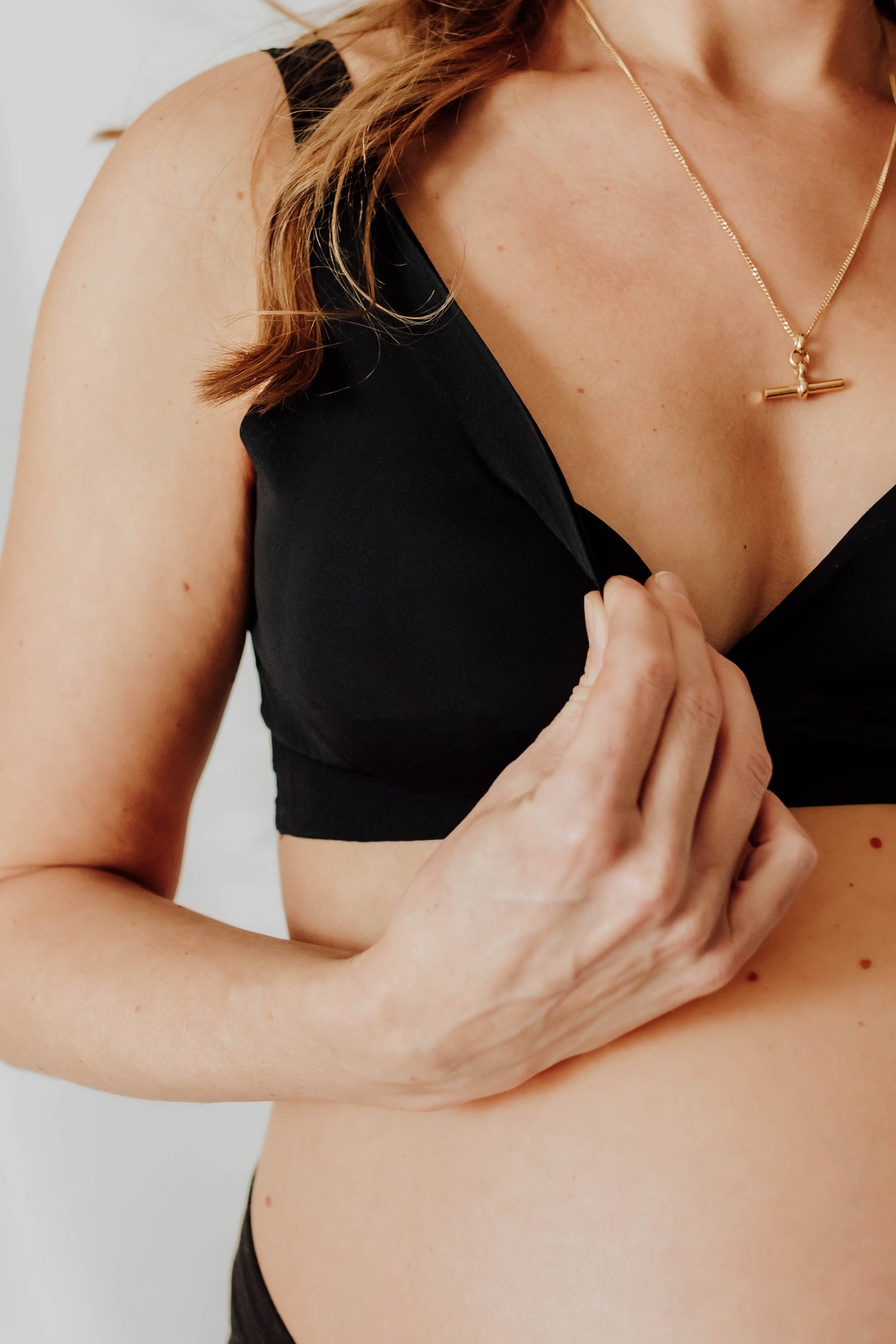
- Nursing Bras/Tanks: Essential if you plan to breastfeed, offering support and easy access. Good options include the Marbra Everynight Sleep Bra and Lesh Leakproof Nursing Bras.
- Breast Pads: For leakage, whether you’re breastfeeding or not (milk can still come in).
- High-Waisted Underwear: Larger than normal, soft, and stretchy to accommodate pads and potential c-section incisions. I preferred disposable underwear as it felt cleaner just to bin everything when needed.
- Peri Bottle: Hospitals usually provide one, but having your own or a fancier portable one can be more comfortable for perineal care.
- Pads (heavy-duty): The hospital provides industrial-strength pads, but you might prefer your own softer, more comfortable ones for later.
- Toiletry Bag:
- Toothbrush, toothpaste, mouthwash
- Shampoo, conditioner, body wash
- Lotion, deodorant
- Hairbrush, hair ties
- Face wash, basic makeup (if desired, for photos or feeling more human)
- Flip-flops for Shower: For hygiene and comfort in a shared hospital shower.
- Handheld fan: during the summer months, hospitals can get hot and stuffy.
For Baby
Our precious little one will be the star of the show, and while UK hospitals are wonderful for medical care, most generally don’t provide baby essentials like nappies, wipes, or formula. This means you’ll need to pack everything your newborn will need for their stay, from changes of clothes to their feeding supplies. Here’s a comprehensive list of what to pack:
- Car Seat (Installed and Inspected): This is, without a doubt, the most critical item for your baby’s hospital bag – or rather, the car!
- Nappies: Pack enough for at least 2-3 days, anticipating roughly 10-12 nappies per day for a newborn.
- Baby Wipes or Cotton Wool: You’ll need these for nappy changes. Many hospitals recommend cotton wool and water for the first few days, so consider packing both.
- Going-Home Outfit: Choose one or two adorable, weather-appropriate outfits for their big debut. It’s wise to pack two different sizes (e.g., newborn and 0-3 months) as you won’t know how big your baby will be! Opt for something comfortable, easy to put on, and suitable for photos.
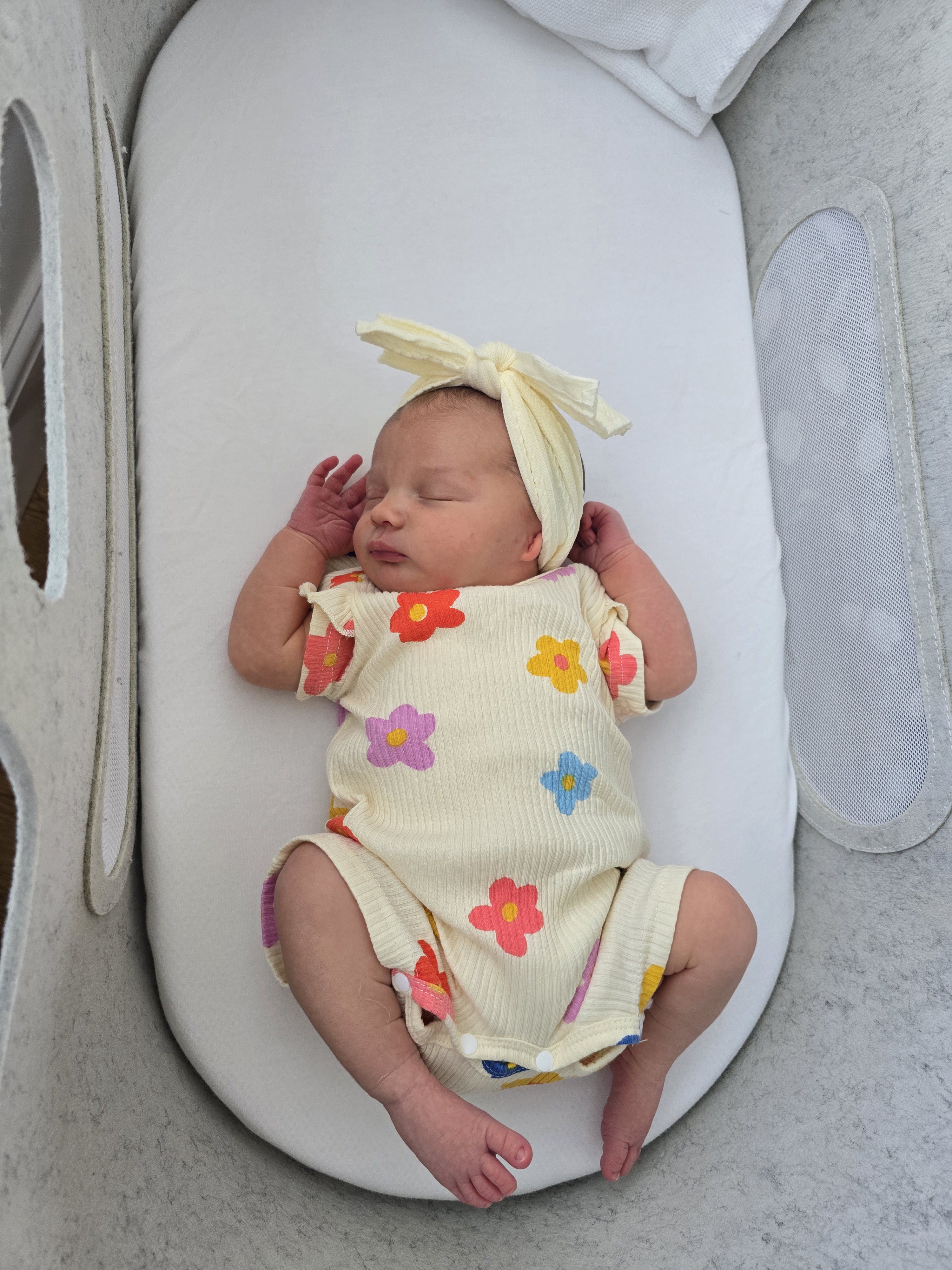
- Bodysuits/Sleepsuits (4-5): Pack a few comfortable all-in-one outfits for your baby to wear during their stay. Consider both long-sleeved and short-sleeved options.
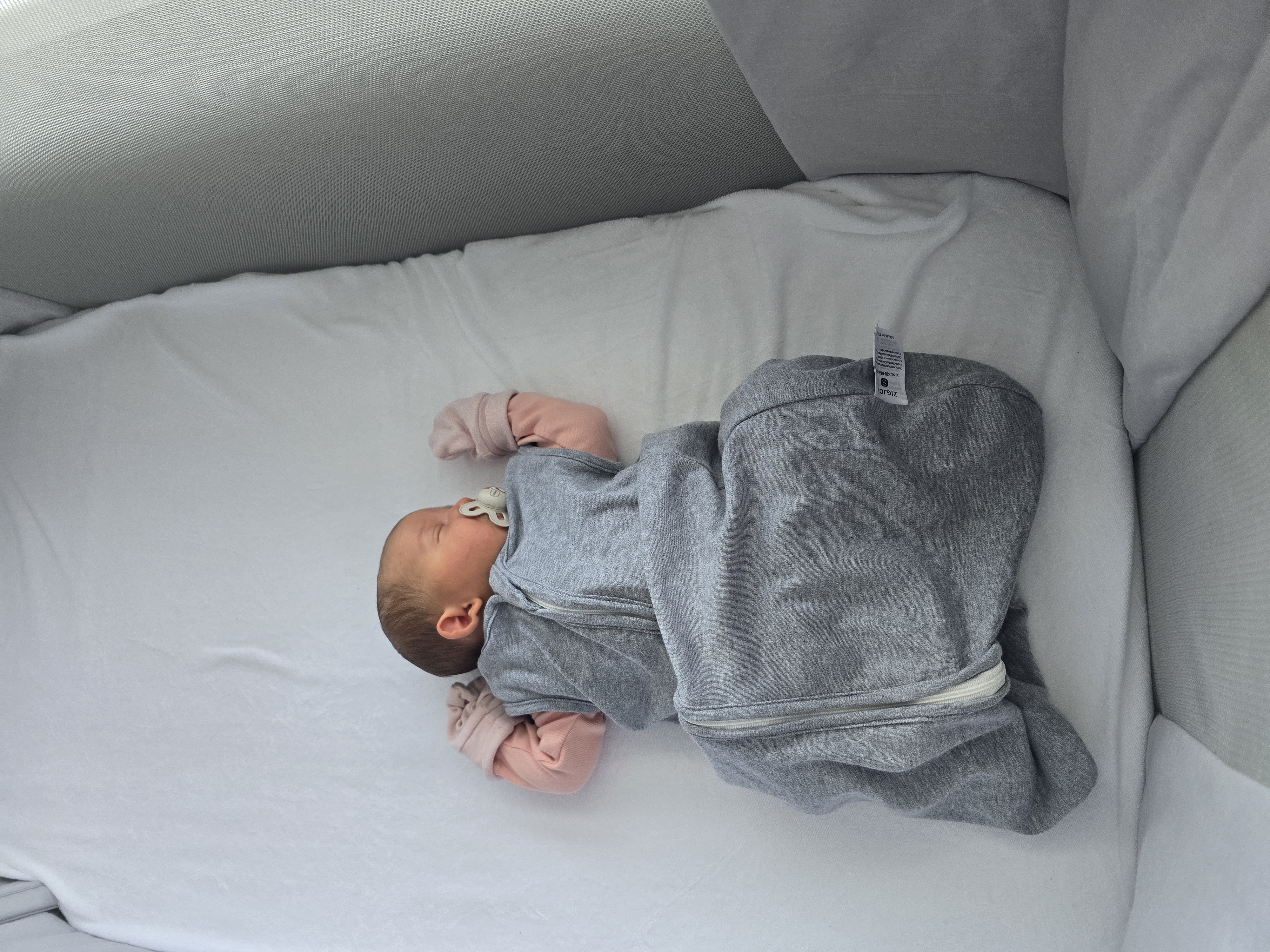
- Swaddle Blankets or sleeping bags (2-3): While the hospital might have some, you’ll want your own soft, personalised swaddles for comfort, warmth, and those first photos.
- Hat (Soft Cotton): A soft cotton hat is good for keeping their tiny head warm in the initial hours and for photos.
- Muslins and bibs: Accidents happen! Having a couple of burp cloths on hand can save your adorable going-home outfit (or your partner’s shoulder) from spit-up.
- Formula & Bottles (if bottle-feeding): If you plan to formula feed from birth, bring a small pack of ready-to-feed formula bottles and any teats you’ll need. Hospitals may not provide this.

Outdoor Adventure, Travel, and Family Editor.
I share stories from my adventures with my daughter, Daisy, practical gear advice, and tips for navigating family life from my experiences.
Follow Sam’s adventures on Instagram @sams_adventures_

