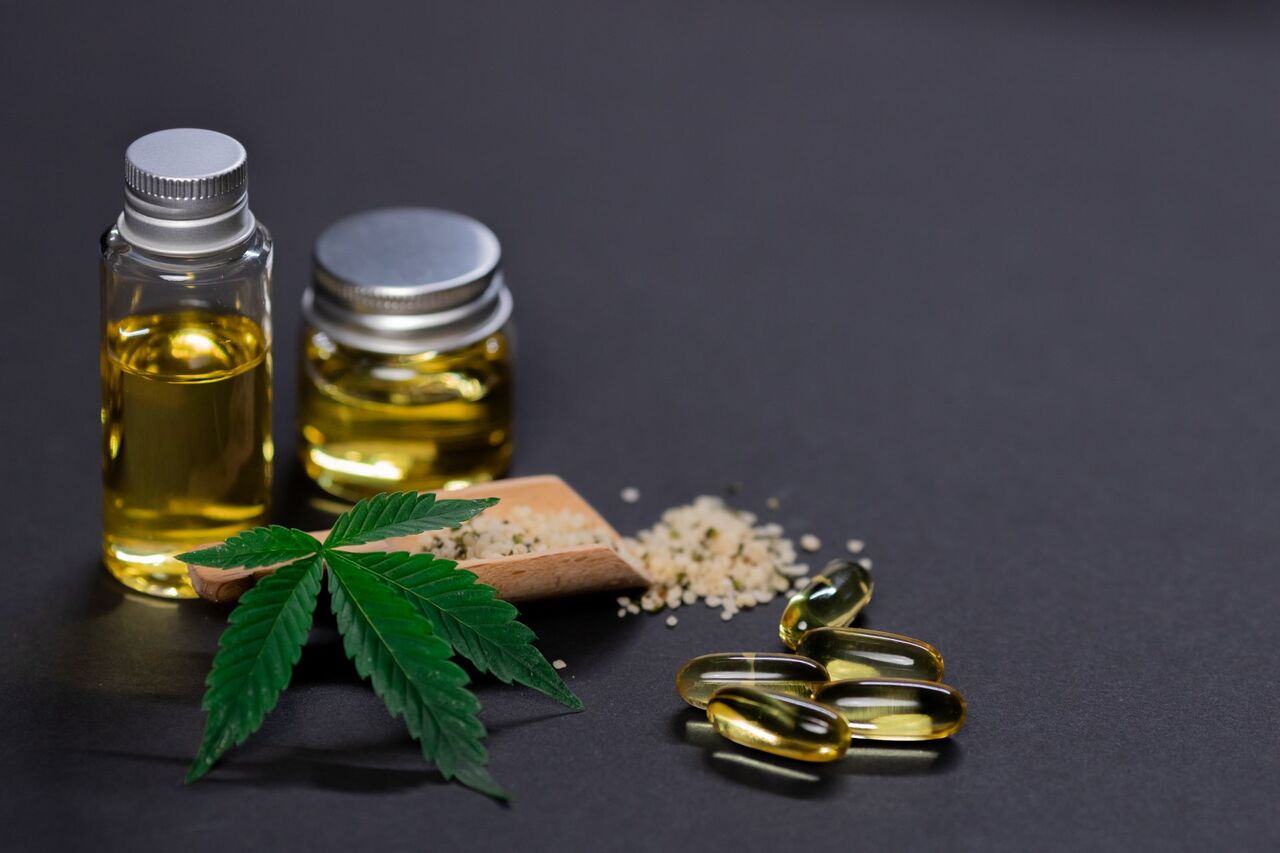
CBD is regulated in various ways depending on its form (e.g., the Food Standards Agency overseas it in food and drinks). Regulatory views on CBD are that there is some (albeit limited) scientific evidence for health or medical benefits from CBD as a food ingredient.
That is, in part, because it’s still a relatively “new” substance (new in the sense of commercial availability). However, many users report benefits, and a lot of the CBD skepticism comes from novel CBD products like creams and balms rather than strong oils and flower, which hit the bloodstream more directly.
Why the marketing doesn’t match the regulation
The Advertising Standards Authority has been actively trying to close the gap between the marketing claims and scientific findings. Rulings against Excite for Life, Supreme CBD, Gemporia and Femgroup have all found the same thing: too strong of claims around insomnia and menopause, even when there haven’t yet been enough studies. That’s not to say there are no benefits (many users report them), but just that we are still in the early stages of finding out its full potential. “Treat, prevent or cure” claims are a no-go under the advertising code, whether they come from a company’s own site or a director’s personal social media post.
What this means for buying it
If you’re browsing premium CBD products, you just want to ensure you’re buying good quality and exactly the item the vendor is selling. You don’t need to check their claims, because while terpenes do differ, CBD benefits should be checked from other, more unbiased sources. It may also be worth going with a vendor that will use discrete packaging, as not everyone yet is understanding of its use and legality.
What the research actually shows
While a lot of claim in the past have been dubious, three areas have real evidence behind them. The strongest is Epidiolex, an MHRA-licensed CBD medicine prescribed for childhood epilepsy syndromes. It’s proof that CBD can have a genuine clinical effect, and there’s more research needed for conditions similar to epilepsy.
In wellness use, a 2024 systematic review of 11 randomised controlled trials (a strong study) on CBD and anxiety found it “may reduce anxiety with minimal adverse effects”. In other words, there was little downside, and some upside. A Phase 3 trial of an oral CBD solution met its main anxiety endpoints against placebo.
For sleep, a 1,793-person RCT found low-dose CBD (15mg) produced statistically significant improvements in sleep disturbance over four weeks with a favourable safety profile, though it didn’t actually outperform 5mg melatonin in the same trial (but, melatonin may have greater negative side effects).
So, while regulators are naturally skeptical, there are clearly some serious studies that back up claims that it can help with sleep, anxiety and epilepsy. These claims, however, may fall apart if the CBD fails to enter the bloodstream (e.g., the method of taking CBD matters, and some products like lip balms may have limited absorption). This isn’t to say that CBD has no other uses, but that they have not yet been discovered.

Just a group of real women dealing with life’s daily struggles! Want to write for us? Email: hello@thedailystruggle.co.uk

