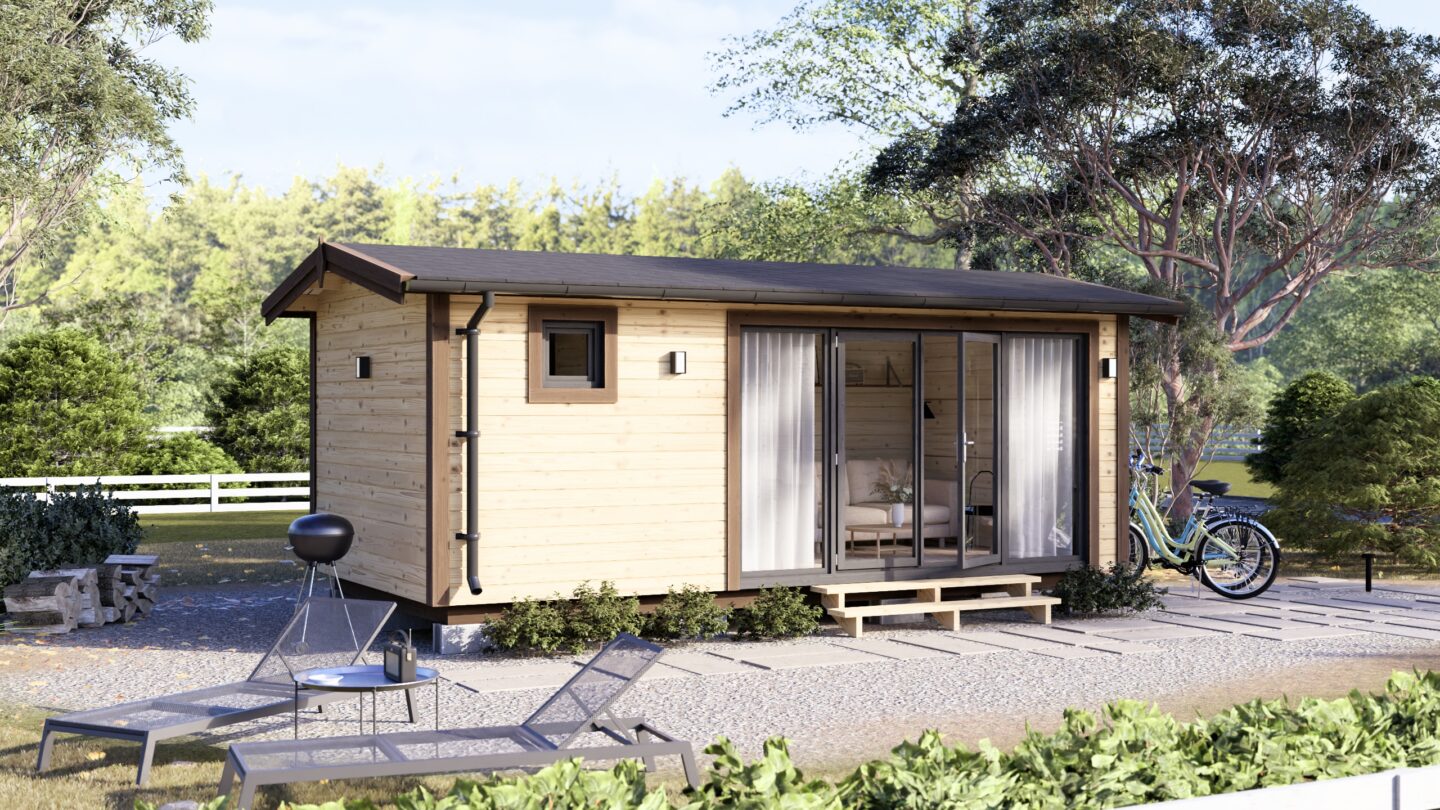
The rise in remote working has fundamentally changed professional life, making a dedicated home office solution a must for many UK homeowners. Garden office pods are an alternative to house extensions or commuting, as they provide a separate workspace away from home distractions.
These are prefabricated structures that can typically be installed in 2–3 days, helping to avoid delays. This helps avoid time-consuming building projects. This guide goes through the ins and outs of garden office pods, including cost, planning permission, installation and how to use yours productively.
A garden office pod is an insulated building designed for year-round use as an office. Such pods are usually installed in a garden at a residence and provide sufficient space and insulation to function as self-contained office spaces. It is a separate workspace that helps distinguish work life from home life. They often fall under Permitted Development rights in the UK, which makes the construction process much easier.
Why Buying a Garden Office Pod is the Smart Choice
There are many advantages to choosing a pre-built garden office pod compared to a custom-built option, especially in terms of efficiency and guaranteed quality. Constructing the building off-site ensures it is insulated, weatherproofed and finished to a high quality standard. You will be ready for immediate use all year round in the UK climate.
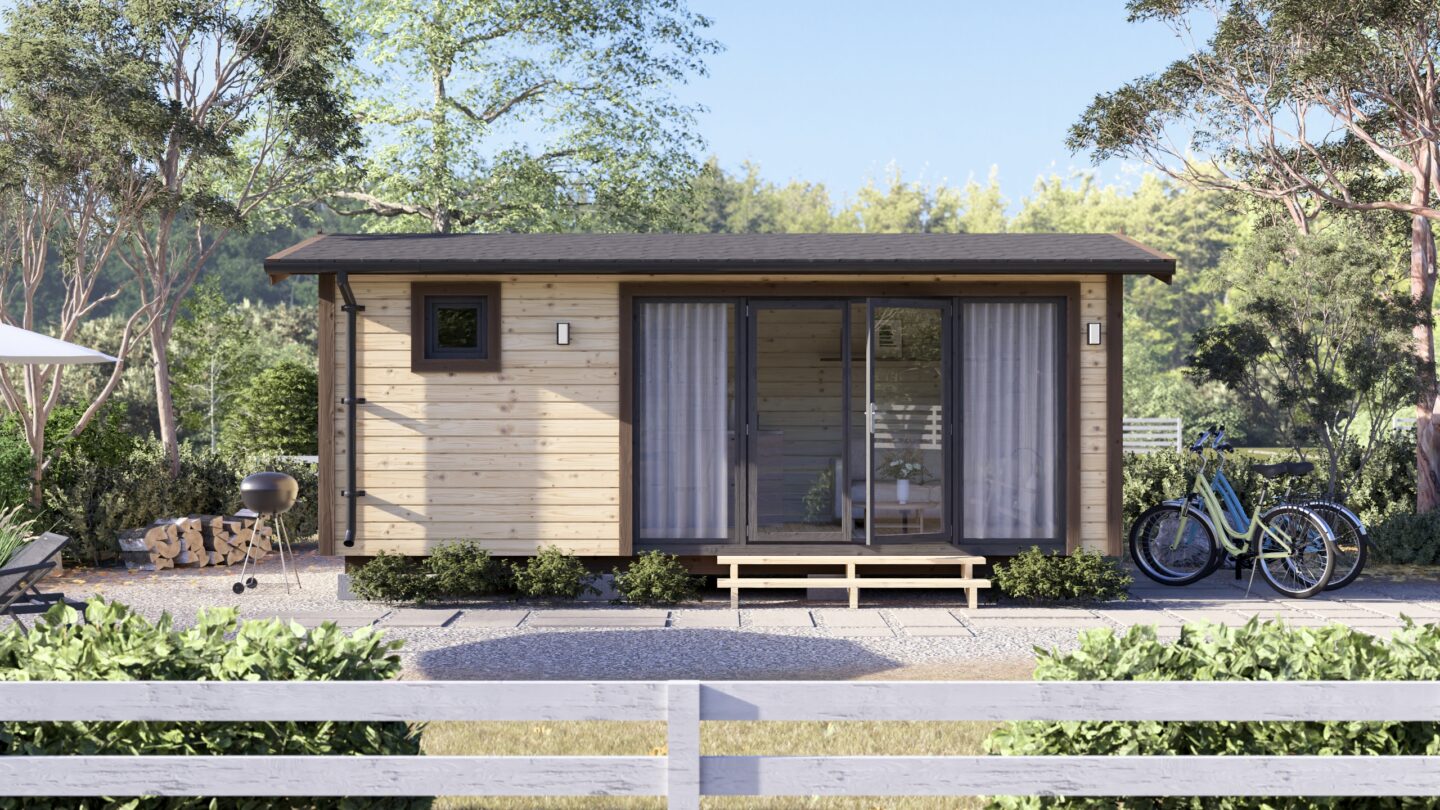
Manufacturer warranties and after-sales support help reduce stress, something DIY builds cannot offer. This approach also helps avoid costly mistakes, as it complies with electrical provisions, structural integrity, and building codes built into the pod.
- Time Savings: Among the advantages of modular structures, time savings ranks first. The components of modular pods can be assembled in just one day. This is much faster than a custom build, which may take weeks. Extensions may take months for completion.
- Cost Predictability: Upfront pricing for pods disposes of the variable costs for architects, builders, and project management in bespoke builds.
- Faster ROI: Fast installation lets your home office go live and generate more value sooner.
- Guaranteed Standards: Pre-engineered designs ensure compliance with insulation and safety standards, particularly important for electrical work under Part P regulations.
- Resale Value: Branded, high-quality pods often retain better resale value than one-off custom structures, potentially adding 5–15% to property value.
Additionally, finance options are frequently available for garden office pods, making them more accessible than the substantial upfront costs typically required for custom builds.
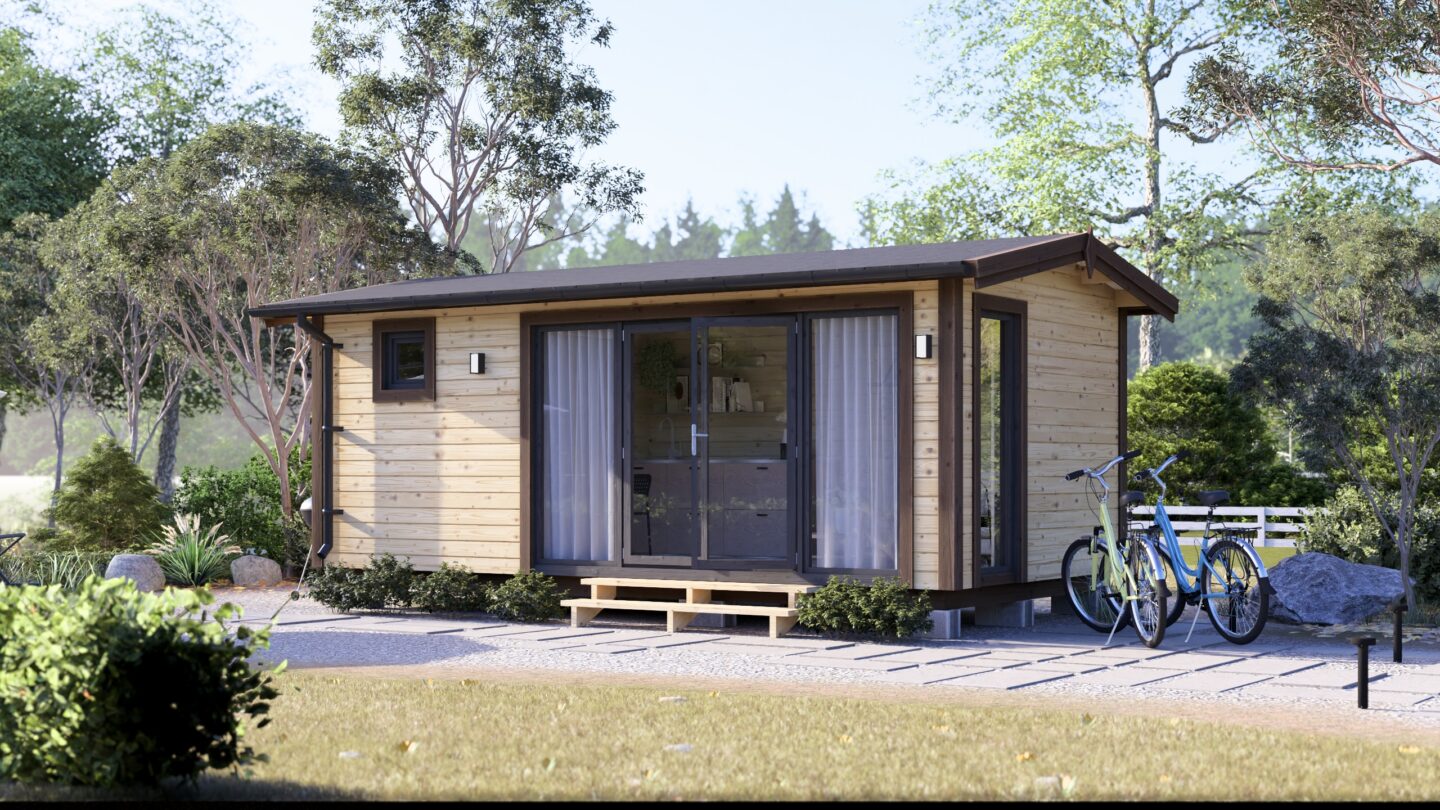
Navigating UK Planning Rules for Garden Offices
Many garden office pods in the UK are built under Permitted Development rights and they usually do not require full planning permission as long as different criteria are met. If a structure is located within two metres of your boundary, it must not be more than 2.5m high. If positioned further away, it must not exceed 4m in height with a pitched roof.
The footprint of all garden buildings (excluding the original house) should be no more than 50% of the total garden area. The aim of these rules is to prevent overdevelopment and ensure structures remain incidental to the main dwelling.
- Height Restrictions: Ensure that the maximum height of the pod is 2.5m if it is within a distance of 2m from any boundary. In the case of further away structures a dual pitched roof may be 4m, while roofs of other types are restricted to 3m.
- Footprint Limits: The area of all outbuildings in your garden must not exceed 50% (excluding the original house).
- Positioning: Your garden office must not be located forward of the principal elevation of your house.Incidental Use: The building must be used for purposes incidental to the main house. Such as an office, gym, etc. Not separate living accommodation.
- Exemptions: Properties in conservation areas or listed buildings, or which are subject to Article 4 directions, may have stricter rules, or need full planning permission.
Building regulations, especially Part P for electrical installations, always apply even if planning permission is not required. Always consult your local planning authority if unsure, especially regarding boundary considerations and potential party wall agreements.
Maximising Productivity in Your Garden Office
A garden office creates a physical separation that helps improve focused work, but enhancing its internal environment remains important to maintain productivity. The intention is to create an environment that is comfortable and free from distractions.
Effective climate control will make your garden office usable all year round particularly in the UK, where weather conditions are highly changeable. A garden office will require heating during the winter months which will cost approximately £1-£2 per day. However, it very much depends on your insulation and heating system.
- Ergonomic Setup: Invest in an adjustable desk and ergonomic chair that promote good posture and lessen strain. Avoid a stiff neck by setting the monitor at eye level.
- Year-Round Climate Control: The pod should include insulation with a minimum R-value of 3.30 m²K/W in the walls and 4.54 – 6.87 m²K/W in the roof. By combining an efficient heating system – air to air heat pump or infrared panel – with decent ventilation, the summer temperature will be pleasant.
- Soundproofing: You can make the area more quiet by using insulation materials like mineral wool in your roof. This can help absorb noise from planes, cars, and neighbouring gardens. Think about using acoustic panels to reduce noise within the room.
- Strategic Lighting: Make the most of natural daylight and use task lighting when needed after sunset. Place windows strategically.
- Work-Life Boundaries: Distinguish between the times you work and when you clock out. By having a separate location, it stops your personal and work lives becoming blurred.
Well-designed garden offices are not just about work; they are about creating a space that supports both professional output and personal well-being.
Conclusion: Is a Garden Office Pod Right for You?
For remote workers in the UK, a garden office pod can be an effective solution for those needing a dedicated workspace. Thanks to their ease of installation, cost certainty and possible value increase for the property, they are often seen as a good investment.
Although dealing with planning regulations and sufficient insulation is important, the benefits of improved productivity and work-life balance are worth the cost in the long term. The need for such options continues to grow as remote work remains a major part of professional life.
A garden office pod is a clever investment for homeowners wanting to future-proof their working arrangements and add some meaningful value to their home.

Just a group of real women dealing with life’s daily struggles! Want to write for us? Email: hello@thedailystruggle.co.uk

