There’s a very fine line between packing enough for a comfortable camping trip and somehow filling the entire boot with things you never actually use.
After plenty of family camping trips, we’ve learned that having the right camping essentials matters far more than having all the kit. A decent tent, somewhere warm to sleep and a few things that make eating and getting dressed outdoors less chaotic will take you a long way.
So whether it’s your first weekend at a UK campsite or you’re trying to pack a little lighter, here’s our practical camping gear checklist — including the things we genuinely find useful and a few extras for camping with kids.
Camping essentials checklist: the quick version
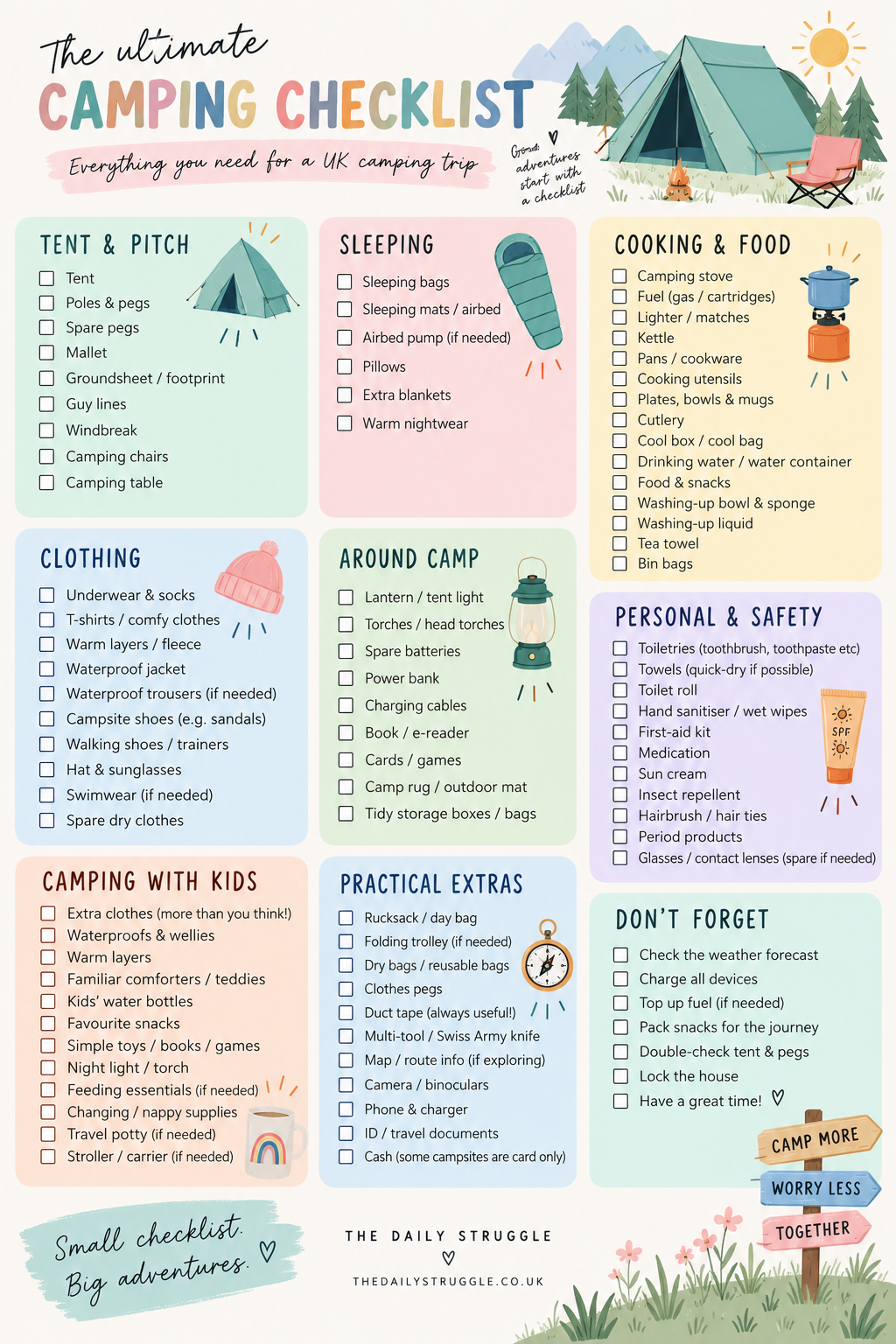
If you just want to know what to take camping, we’ve pulled the essentials into one printable checklist, from your tent and sleeping setup to cooking, clothing and those easily forgotten extras.
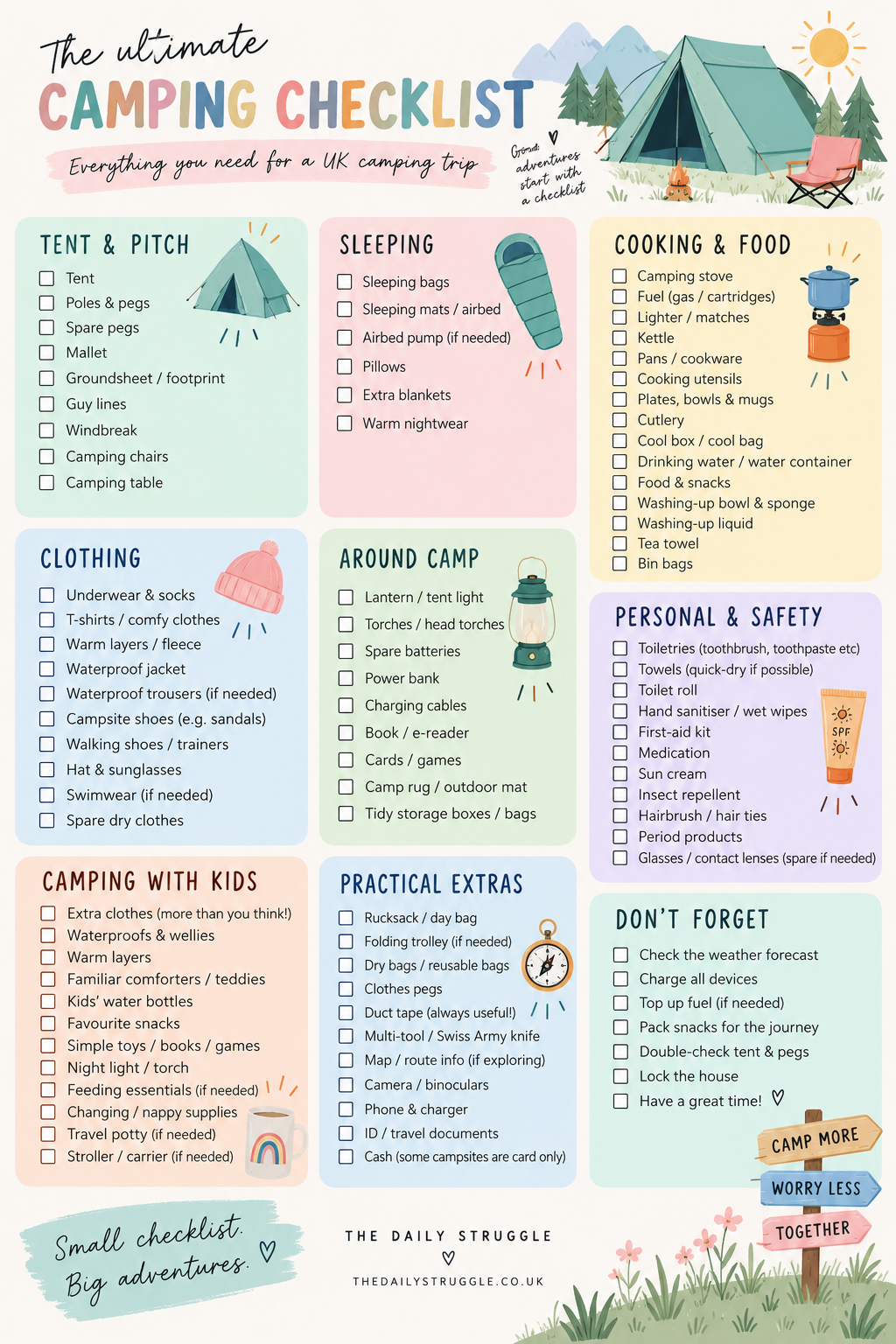
Camping with children? There are a few more things worth adding, which we’ve included further down.
Download our free camping checklist PDF
1. Tent and pitch essentials
Your tent is one area where it pays to think about how you camp rather than automatically buying the biggest one you can fit in the car.
For a couple of nights, something relatively quick to pitch with enough sheltered space for your bags may be much more useful than a huge family tent. For longer stays, standing room and a proper living area suddenly become much more appealing — particularly when the British weather inevitably decides not to cooperate.
Alongside the tent itself, our basic pitch packing list includes:
Alongside the tent itself, we always make sure we have the poles, pegs and a mallet, plus a few spare pegs just in case. A groundsheet or footprint can help protect the bottom of the tent, while guy lines and a windbreak are worth having when the weather is looking less than perfect.
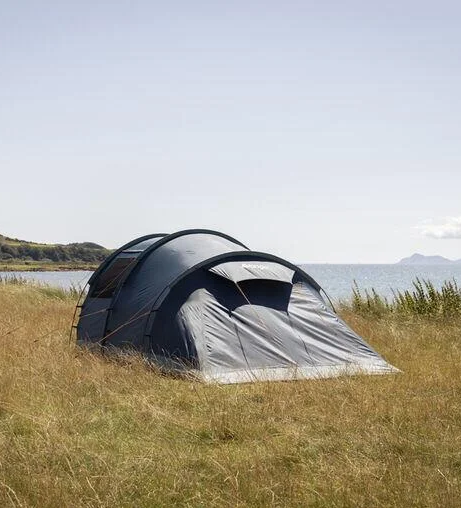
Vango Beta 350XL
For shorter camping trips where we don’t need a huge family setup, the Vango Beta 350XL feels like a really practical middle ground. It’s roomy enough that camping doesn’t feel completely cramped, without bringing along one of those enormous family tents that takes half the boot — and half the afternoon — to deal with.
The generous porch is probably the bit we appreciate most. Having somewhere sheltered to leave muddy shoes, bags and all the other assorted camping clutter means the sleeping area stays much calmer, particularly when the weather isn’t playing along.
It also has Vango’s darker Nightfall bedroom, which helps reduce some of that very early morning light during summer camping. Add in a relatively quick pitching time and a manageable packed size, and it’s a good option for weekends away when we want a little comfort without taking our entire home with us.
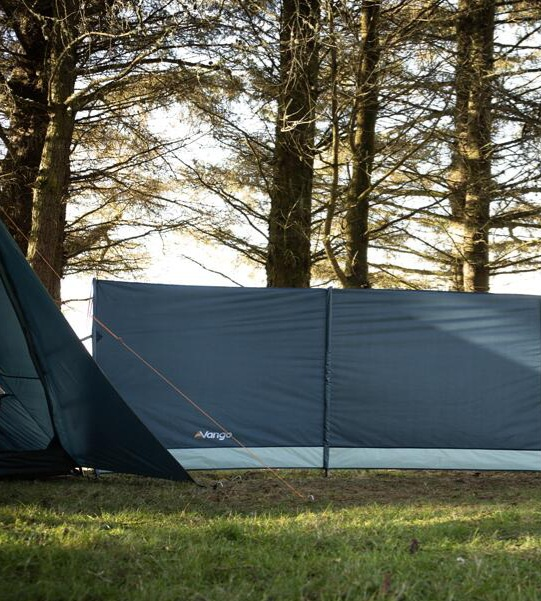
Vango AirBeam Modular Windbreak
A windbreak definitely sits in the “not essential, but we’re glad we packed it” category — particularly on more open campsites where even a fairly mild day can feel surprisingly breezy.
The Vango AirBeam Modular Windbreak creates a sheltered little area around the tent for sitting, playing and eating, but we’ve also found that having that small boundary can make a pitch feel much more settled when camping as a family. There’s somewhere to put the chairs, somewhere for toys to accumulate and a bit of protection when you’re trying to eat outside without everything blowing across the campsite.
Because it’s inflatable rather than relying on traditional poles, it also feels a little less cumbersome than some of the windbreaks we’ve camped with over the years. Definitely an extra rather than an essential, but one that can make the space around your tent considerably nicer to actually live in.
2. Sleeping gear for camping
If there’s one part of your camping packing list worth giving some thought to, it’s sleep.
A night spent shivering on a slowly deflating airbed has a way of making even the loveliest campsite considerably less charming by morning.
At minimum, pack:
For sleeping, we keep things fairly simple: a sleeping bag suited to the expected temperatures, something comfortable to sleep on and a pillow from home. If we’re taking an airbed, we’ll double-check the pump is packed too — preferably before we’re standing in a field trying to inflate it.
Check the temperature rating on your sleeping bag rather than relying purely on the season written on the label. UK nights can get surprisingly chilly even when the daytime weather has been lovely.
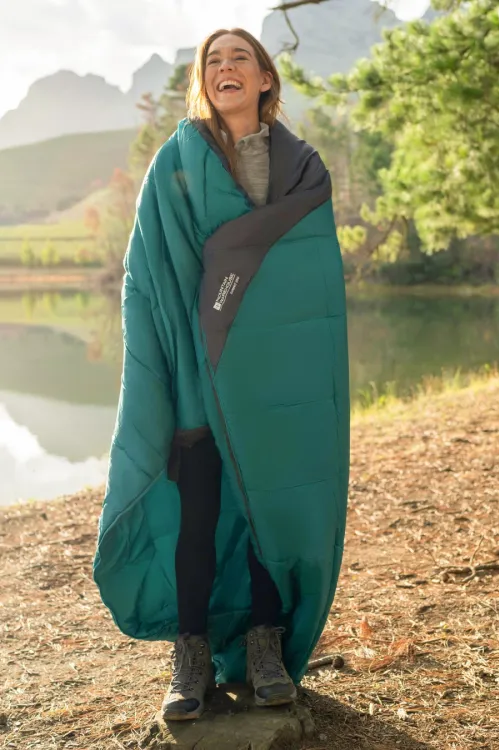
Mountain Warehouse Summit 250 Sleeping Bag
A decent sleeping bag is one of the few pieces of camping gear we wouldn’t compromise too much on. Even after a warm day, temperatures can drop surprisingly quickly once you’re lying still in a tent, and being cold overnight has a way of making the whole camping experience considerably less appealing.
The Mountain Warehouse Summit 250 Sleeping Bag is a practical option for UK camping, with a mummy-shaped design and hood that help keep warmth in without creating an enormous bundle of bedding to transport. It also packs down into a compression sack, which we appreciate when every bit of space in the car seems to matter.
As with any sleeping bag, we’d choose based on the expected overnight temperatures rather than simply the season. It’s available in a couple of colours too, which makes it easy for everyone to keep track of their own when you’re camping as a family.
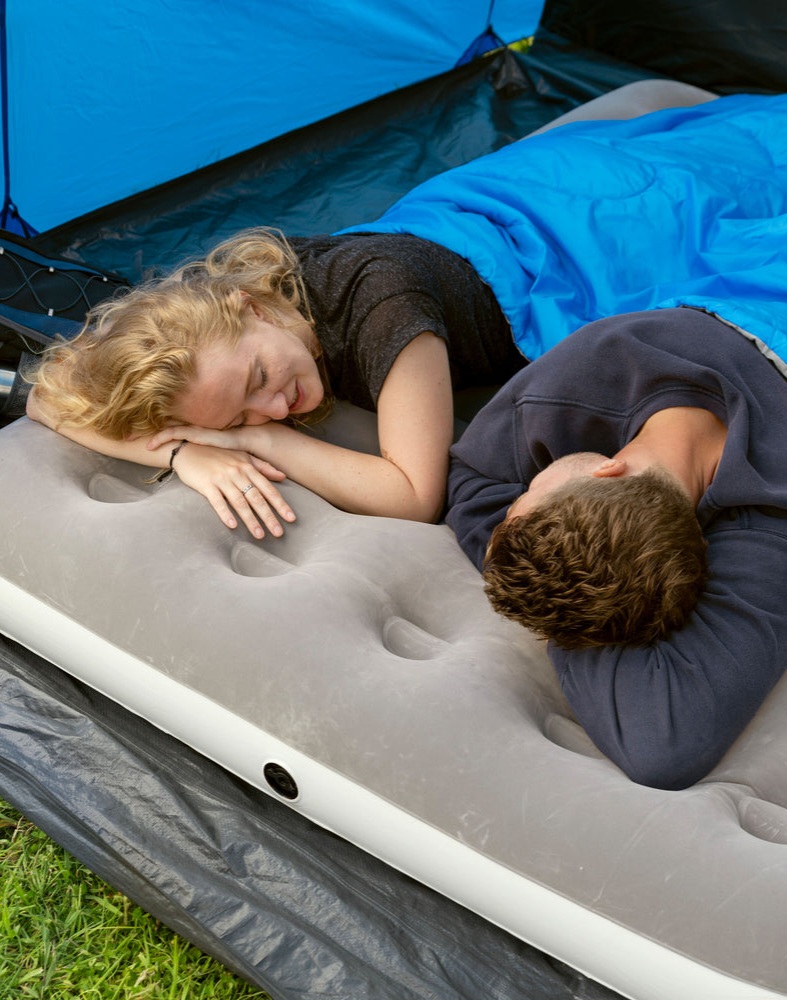
Bestway Double Flocked Airbed
Technically, you can sleep on a thin camping mat. These days, we’re quite happy to admit that we’d rather have an airbed.
The Bestway Double Flocked Airbed gives us much more cushioning from cold, uneven ground and makes the tent feel considerably more comfortable once it’s time to settle down for the night. The flocked surface also feels a little less slippery underneath bedding than a completely smooth inflatable mattress.
One thing worth remembering with any airbed is the pump. Ours can be inflated without needing a mains hook-up, which is particularly useful when we’re camping on a basic pitch. We’d also always inflate it with enough time before bed to check everything is holding properly — because discovering a slowly deflating mattress at 11pm is not the kind of camping memory anyone particularly needs.
3. Camping furniture and lighting
You can camp without tables, chairs and proper lighting.
Whether you want to is another matter.
For anything longer than a very stripped-back overnight trip, we’d normally pack:
A couple of camping chairs and a small table make the pitch much more comfortable, particularly if we’re staying for a few days. Once it gets dark, we’ll use a lantern around the tent and keep torches or head torches handy for trips across the campsite. Spare batteries and a charged power bank normally come along too.
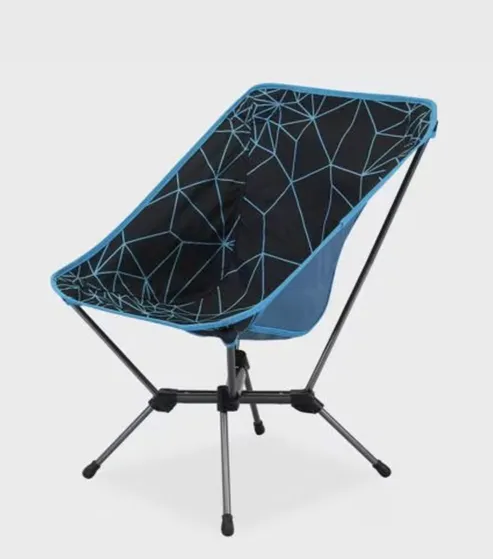
Malta Folding Camping Chair
Camping chairs aren’t strictly necessary, but after a day of walking, playing or setting up camp, sitting on the floor quickly loses its appeal.
The Portal Outdoor Malta Folding Camping Chair is the sort of straightforward bit of kit that gets used constantly once we’re on the pitch. It’s somewhere to sit with a morning coffee, eat outside, supervise kids playing or finally put our feet up once everything has been unpacked.
It folds down for travelling and comes with its own carry bag, so it’s easy enough to throw into the car alongside the rest of the camping gear without taking up too much space. We don’t need our camping furniture to do anything particularly clever — comfortable, portable and easy to pack away is generally enough — and this ticks those boxes nicely for family weekends away.
Vango Granite Cypress 56 Table
A little camping table doesn’t sound particularly exciting until you don’t have one and realise there’s nowhere sensible to put anything.
The Vango Granite Cypress 56 Table is compact and low to the ground, but that’s exactly why we find it useful. Drinks live on it, cards get played on it, snacks inevitably cover it and the kids can comfortably use it without needing to climb onto a full-sized camping chair.
At around 24cm high, it isn’t designed to replace a proper dining table. Instead, it’s one of those small surfaces that ends up following you around the pitch throughout the day. We’ve even used ours for a laptop or tablet when settling down with a film in the evening. It packs away without taking up much room either, so for the amount it gets used, it more than earns its place in the car.
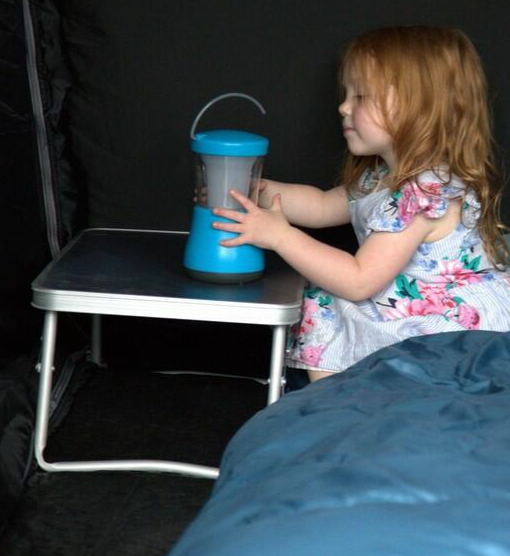
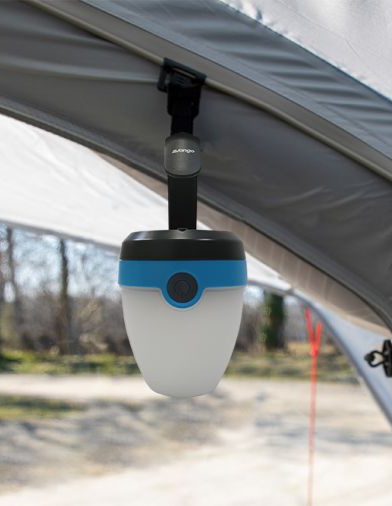
Vango Superstar 500 Rechargeable USB Light
A good lantern is firmly on our camping essentials list. Phone torches will get you so far, but trying to find pyjamas, make a bottle or organise a tent after dark while holding your phone between your teeth isn’t particularly relaxing.
The Vango Superstar 500 Rechargeable USB Light gives us proper ambient light inside the tent, with different brightness levels so we don’t have to illuminate the entire campsite once everyone is winding down for bed. Being able to hang it up also keeps surfaces free and spreads the light much more evenly than a torch.
It can double as a USB power bank too, which is a useful backup when you’re away from an electric hook-up. We still pack individual torches or head torches for walking around after dark, but inside the tent, a rechargeable lantern is one of those things we’d really miss.
4. Cooking and food essentials
You don’t need to create a full outdoor kitchen for a weekend camping trip.
But having enough kit to make breakfast, boil water and put together a simple dinner means you’re not entirely reliant on campsite cafés or heading out every time someone gets hungry.
Our camping kitchen checklist looks roughly like this:
Our camping kitchen is fairly basic. We’ll usually take a stove with the correct fuel, something to light it with, a kettle and enough cookware to make a few simple meals. We also pack plates, bowls, mugs and cutlery, along with a chopping board and a few cooking utensils.
A cool box keeps the essentials chilled, while a refillable water container saves endless trips to the campsite tap. Then it’s just the less exciting bits that are very easy to forget: washing-up liquid, a sponge, tea towel and plenty of bin bags.
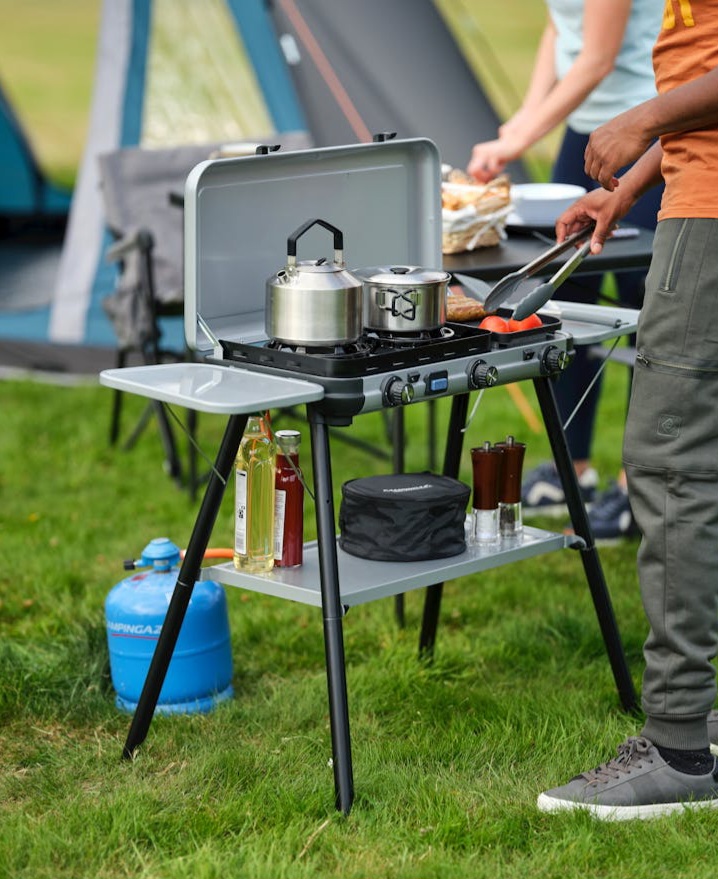
Campingaz Camping Kitchen 2 Multi-Cook Plus
You can absolutely keep camping food simple — and we usually do — but having two burners makes feeding everyone considerably easier.
The Campingaz Camping Kitchen 2 Multi-Cook Plus means we can have a pan cooking while the kettle is boiling rather than making every meal one thing at a time. That feels particularly valuable first thing in the morning when everyone wants breakfast and someone is inevitably asking when the hot drinks will be ready.
The built-in wind protection is useful on exposed pitches, while everything packs back down into a fairly neat unit when it’s time to move on. We don’t try to recreate our kitchen at home when we’re camping, but having a reliable stove gives us enough flexibility for breakfasts, quick dinners and endless cups of tea without needing to leave the campsite every time somebody gets hungry.
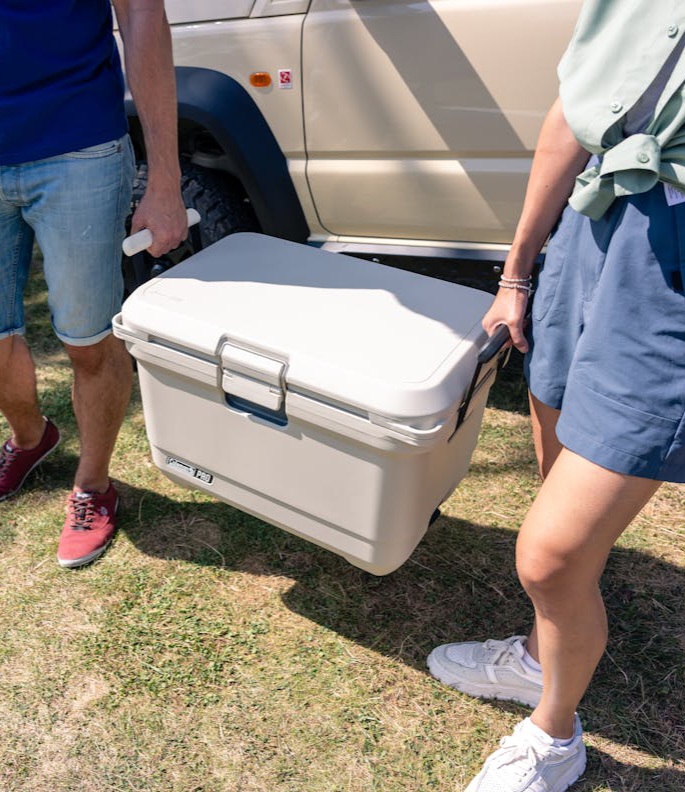
Coleman Pro 45 QT Cooler Box
A decent cool box becomes much more useful once a camping trip stretches beyond a single night.
The Coleman Pro 45 QT Cooler Box gives us enough room to keep drinks, milk and chilled food together, which means we can arrive with most of what we need rather than immediately having to find the nearest supermarket. For family trips especially, having familiar breakfast foods, snacks and drinks readily available makes campsite mornings much easier.
It’s undoubtedly one of the bulkier things on our camping packing list, so for a quick overnight stay we’d probably take something smaller. For several days away, though, the extra capacity feels worth sacrificing some boot space for. We normally keep it somewhere shaded on the pitch and try not to leave the lid open any longer than necessary — particularly once everyone discovers where the snacks are hiding.
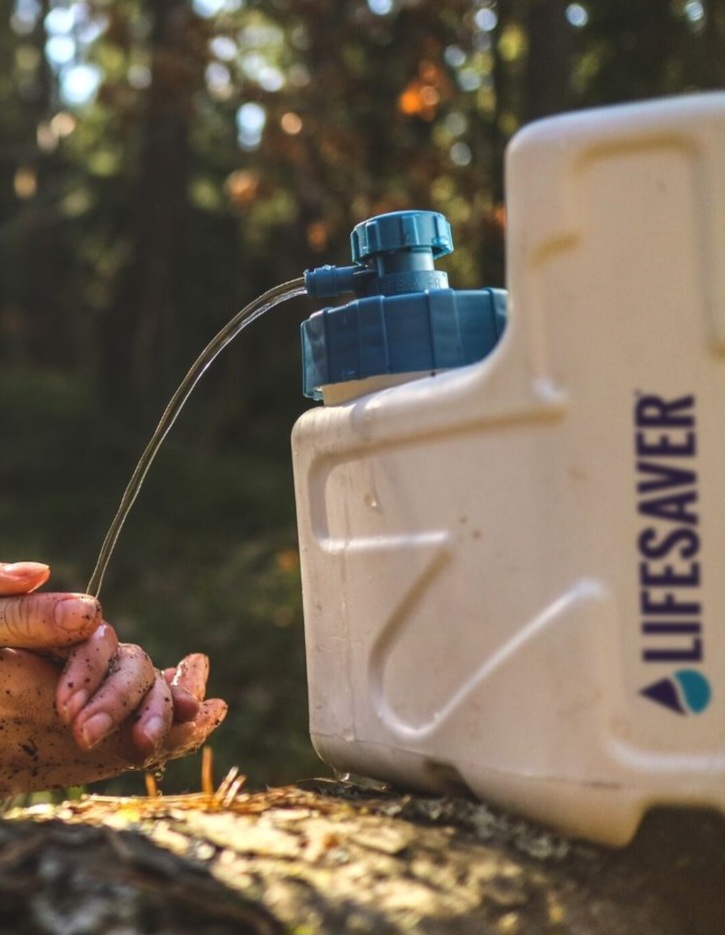
LifeSaver Cube
Even on campsites where drinking water is readily available, having a water container at the tent saves far more back-and-forth to the tap than you’d expect.
The LifeSaver Cube takes that a little further by combining water storage with filtration, making it particularly useful for trips where we’re less certain about what facilities will be available. It gives us a supply at the pitch for filling bottles, cooking and making hot drinks rather than having to head out every time we need water.
For most serviced UK campsites, a straightforward refillable water carrier will be perfectly adequate, so we’d consider filtration more of a situational extra than an everyday camping essential. Either way, some form of decent-sized water container always makes our packing list — especially with children, when requests for drinks seem to begin approximately thirty seconds after you’ve sat down.
5. Clothing and personal camping essentials
This is the section where “just in case” packing can get slightly out of hand.
Rather than taking half the wardrobe, we tend to concentrate on layers that can be added or removed as the temperature changes.
Think:
Rather than packing for every possible weather scenario, we tend to concentrate on comfortable clothes that can be layered. T-shirts, a fleece or warm jumper, waterproof jacket and plenty of socks cover most situations, alongside comfortable shoes for walking and something easy to slip on around the campsite.
We’ll usually throw in a hat, sunglasses and swimwear if we might need them too, plus at least one complete set of dry clothes kept safely inside the tent.
Even during summer, having something warm for the evening is worth it. Temperatures can feel very different once the sun disappears and you’ve been sitting still for an hour.
6. Toiletries, washing and campsite hygiene
You don’t need to recreate your bathroom cabinet in miniature.
A wash bag with the basics, quick-drying towel and something you can grab for the shower block will normally cover it.
For our wash bag, we usually pack toothbrushes and toothpaste, shower gel, shampoo, deodorant and a hairbrush, alongside practical campsite bits like toilet roll, hand sanitiser, wet wipes and a quick-drying towel. We’ll also add any medication, period products, sun cream and insect repellent we might need.
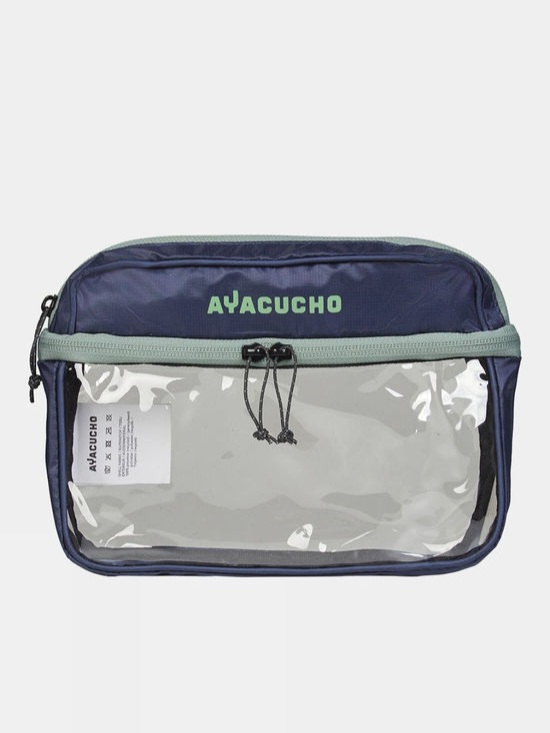
Ayacucho Washbag
Campsite shower blocks have taught us that a hanging wash bag is infinitely more useful than a beautiful wash bag with nowhere sensible to put it.
The Ayacucho Washbag keeps all the small toiletries together and can be hung up rather than balanced on a wet sink, shower ledge or whatever tiny dry patch you can find. We keep the basics in there — toothbrushes, toothpaste, shower products and the other things we’re likely to need — so it can simply be grabbed along with a towel when someone heads to the facilities.
It’s a small thing, but anything that reduces the amount of rummaging around inside bags is welcome when we’re camping. We try not to take our entire bathroom cabinet with us anyway, so one organised wash bag per person or family is generally more than enough.
7. Safety and the things people forget when camping
Some of the most forgotten camping items are tiny — which is exactly why they’re so easy to leave sitting at home.
Before we leave, we’d do one final check for:
It’s usually the smallest things that are easiest to forget. We’ll do one last check for the first-aid kit and any medication, followed by sun cream, insect repellent and all the little practical bits like charging cables, spare batteries and a lighter for the stove.
We also keep a few spare tent pegs, bin bags and toilet roll tucked into our camping kit permanently. A charged power bank is another one that’s worth remembering, particularly if we’re camping without an electric hook-up.
I’d also keep a small first-aid kit somewhere easy to reach rather than buried at the bottom of the car.
And check the weather forecast before packing. A camping checklist for a dry July weekend can look very different from one for a wet and windy April.
8. Camping essentials for kids
Camping with children adds another layer to the packing — although we’ve learned that they often need fewer toys than we think.
Being outside provides most of the entertainment.
Our camping essentials for kids tend to focus more on keeping them warm, fed, comfortable and able to settle:
For kids, we concentrate on keeping them warm, dry, fed and comfortable rather than packing endless entertainment. That usually means plenty of spare clothes, warm layers, waterproofs and wellies alongside their usual water bottle, favourite snacks and sun protection.
We also bring a few familiar things from home, particularly around bedtime – a favourite comforter, a couple of books and a night light can make an unfamiliar tent feel a little less unfamiliar. For babies and toddlers, we’d then add whatever we normally rely on for feeding, sleeping and changing.
For babies and toddlers, we’d also add whatever you normally rely on for feeding, sleeping and changing rather than trying to completely change their routine because you’re camping.
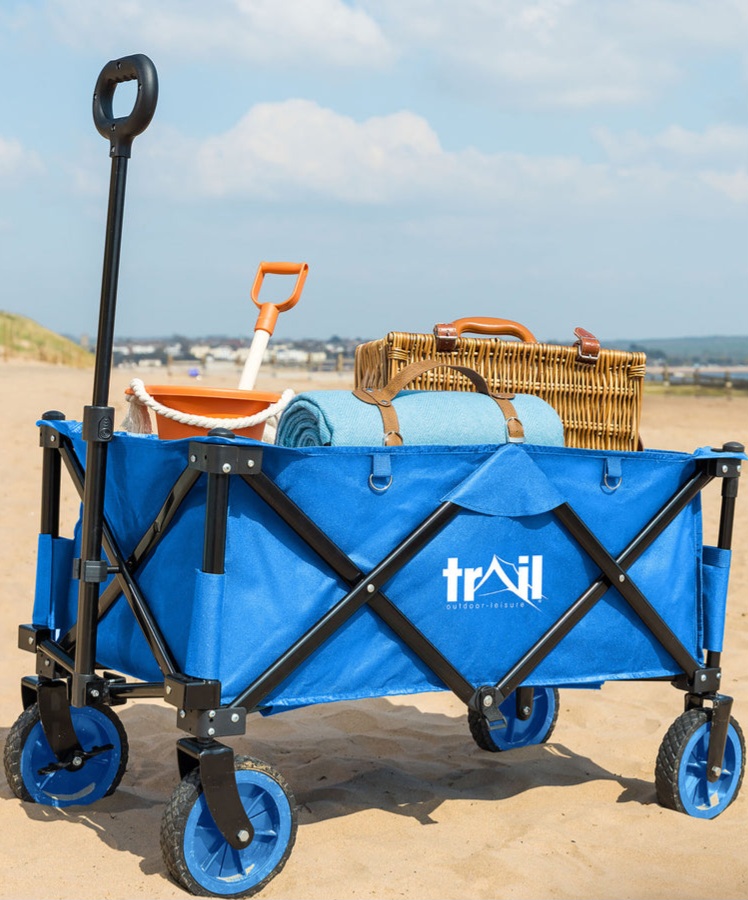
Trail Folding Camping Trolley
Once children are involved, the amount of stuff travelling between the car and pitch seems to multiply almost immediately.
The Trail Folding Camping Trolley has been brilliant for loading up bags, blankets, food and all the awkward bits that would otherwise mean several journeys back to the car. It’s particularly useful on campsites where you can’t park directly beside the tent, and once everything is unpacked we can fold it down rather than having another huge piece of equipment sitting around.
It also comes into its own during the trip itself. We’ve used a trolley for carrying picnic gear and assorted family paraphernalia around larger sites – and tired little legs have definitely been known to hitch a ride too. It’s not something we’d call a camping essential for everyone, but once you’re camping with kids, it’s surprisingly easy to wonder how you managed without one.
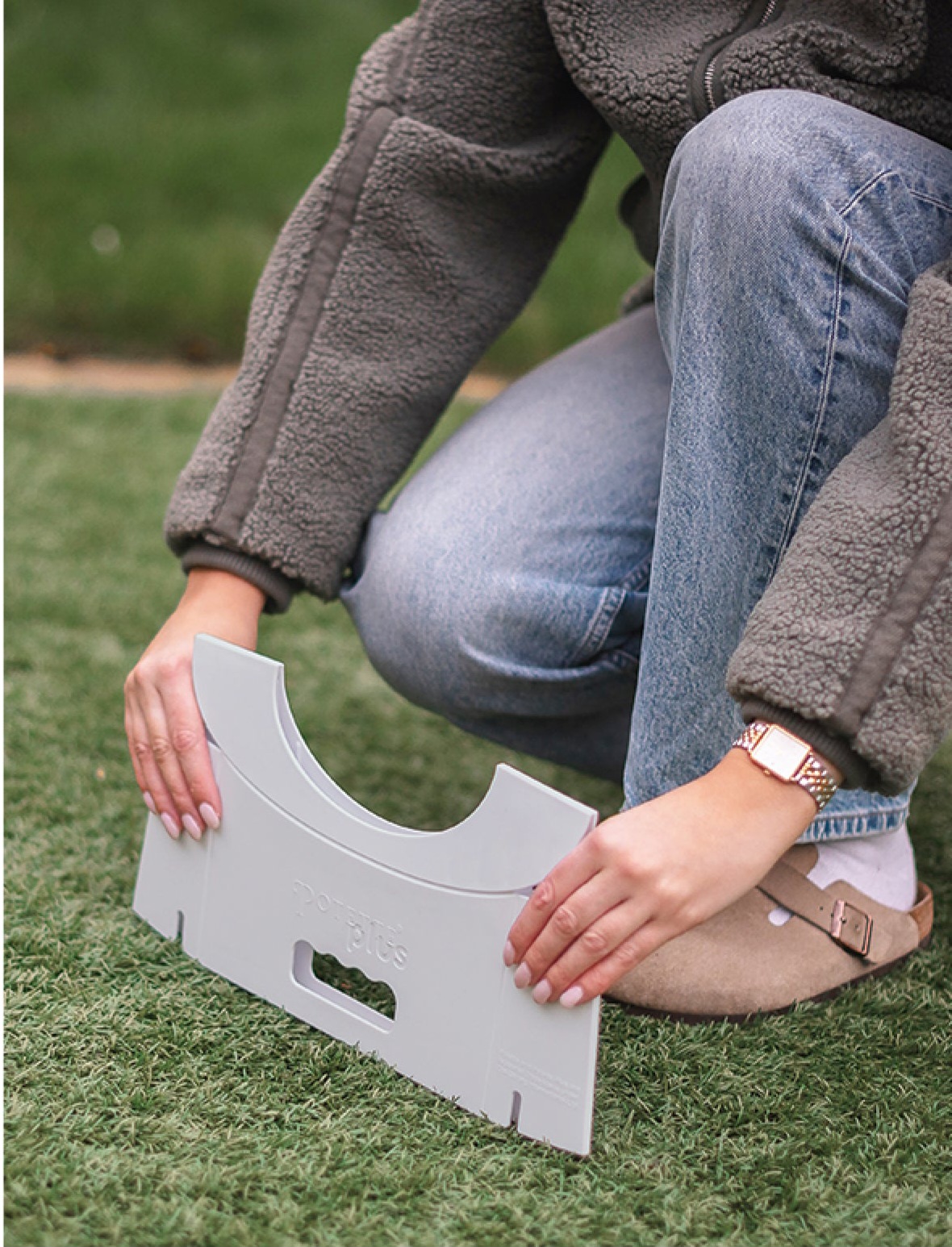
Potette Fold ‘N’ Go Foldable Potty
Campsite toilets and small children aren’t always the easiest combination, particularly when the facilities are a bit of a walk from your pitch.
The Potette Fold ‘N’ Go Foldable Potty gives younger children a familiar option when making it to the toilet block isn’t realistic, whether that’s first thing in the morning, during toilet training or in the middle of the night. It folds down when it isn’t being used, so it doesn’t take over the tent or add another bulky piece of equipment to the car.
It’s one of those camping essentials for kids that will obviously depend entirely on their age and stage, but for families in the potty-training years it can remove a little bit of stress from being away from home — and anything that makes a 2am campsite toilet situation easier is welcome.
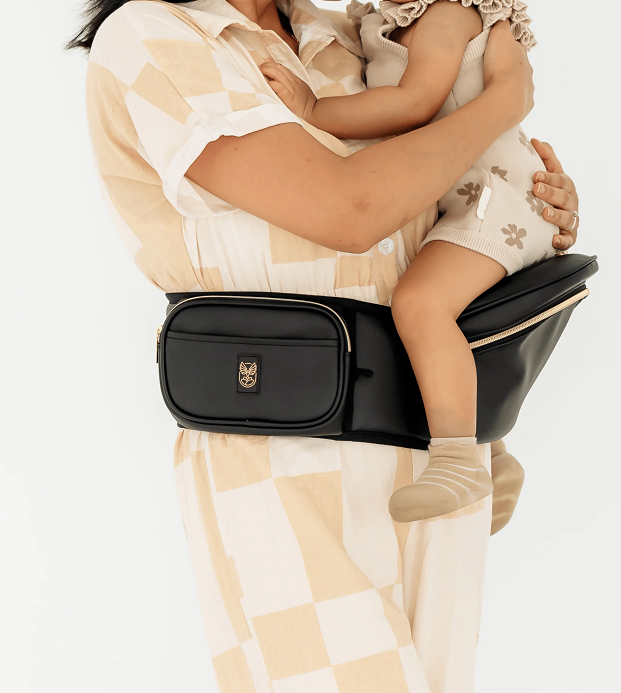
Hackerlily HipSurfer Carrier
Camping with a toddler involves a surprising amount of walking punctuated by very sudden requests for “up”.
The Hackerlily HipSurfer Carrier is useful for those shorter stretches around the campsite when getting a pushchair out feels unnecessary but carrying a tired toddler on one hip quickly becomes uncomfortable. We can keep it nearby for walks to the facilities, pottering around the site or those moments when little legs have simply had enough.
It’s not something we’d use instead of a more supportive carrier for long walks or hikes, but that’s not really its purpose for us. It’s more of a convenient middle ground between independent walking and carrying them entirely in our arms – which can be particularly handy on a camping trip when we’re usually carrying several other things at the same time.
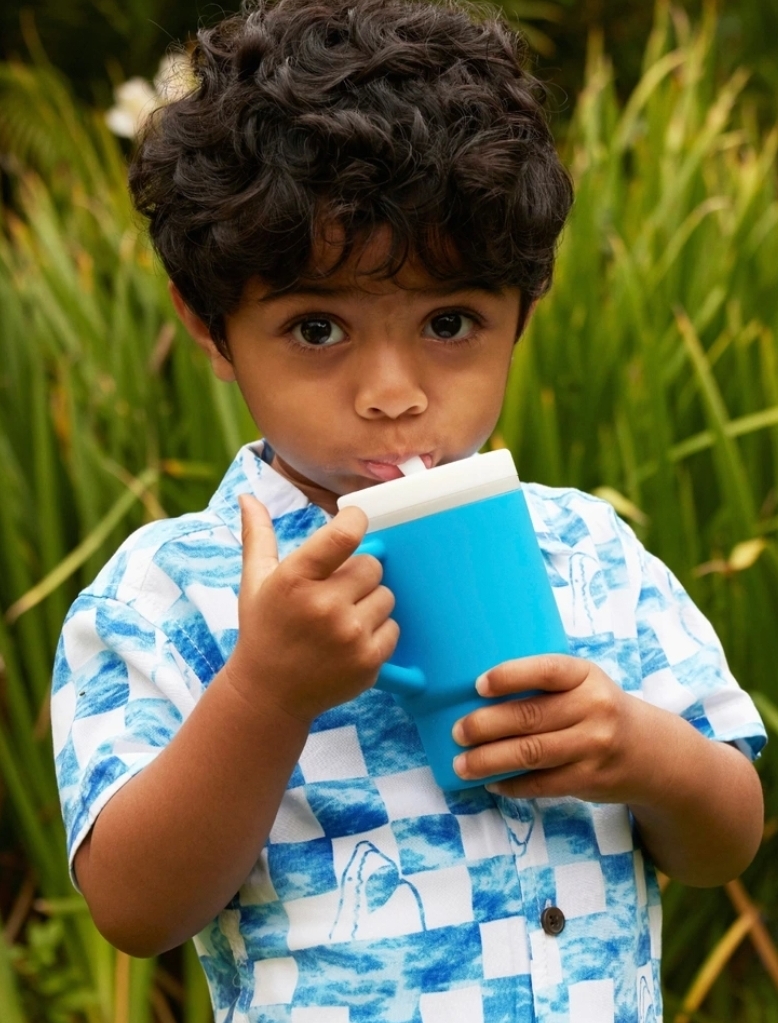
Infantino My First Tumbler
A child’s usual cup or water bottle is an easy thing to overlook when you’re concentrating on tents, sleeping bags and everything else needed for camping.
The Infantino My First Tumbler gives younger children something familiar they can manage themselves, which is particularly useful around the pitch when everyone is constantly coming and going. A lid also reduces the likelihood of an entire drink ending up across a sleeping bag or tipped over somebody’s carefully organised pile of clothes.
We’d always have water readily available when we’re spending lots of time outdoors, particularly in warmer weather, so a reusable cup or bottle that your child already gets on with is worth adding to their individual packing list. It doesn’t necessarily need to be anything camping-specific – familiar and easy to use is often better.
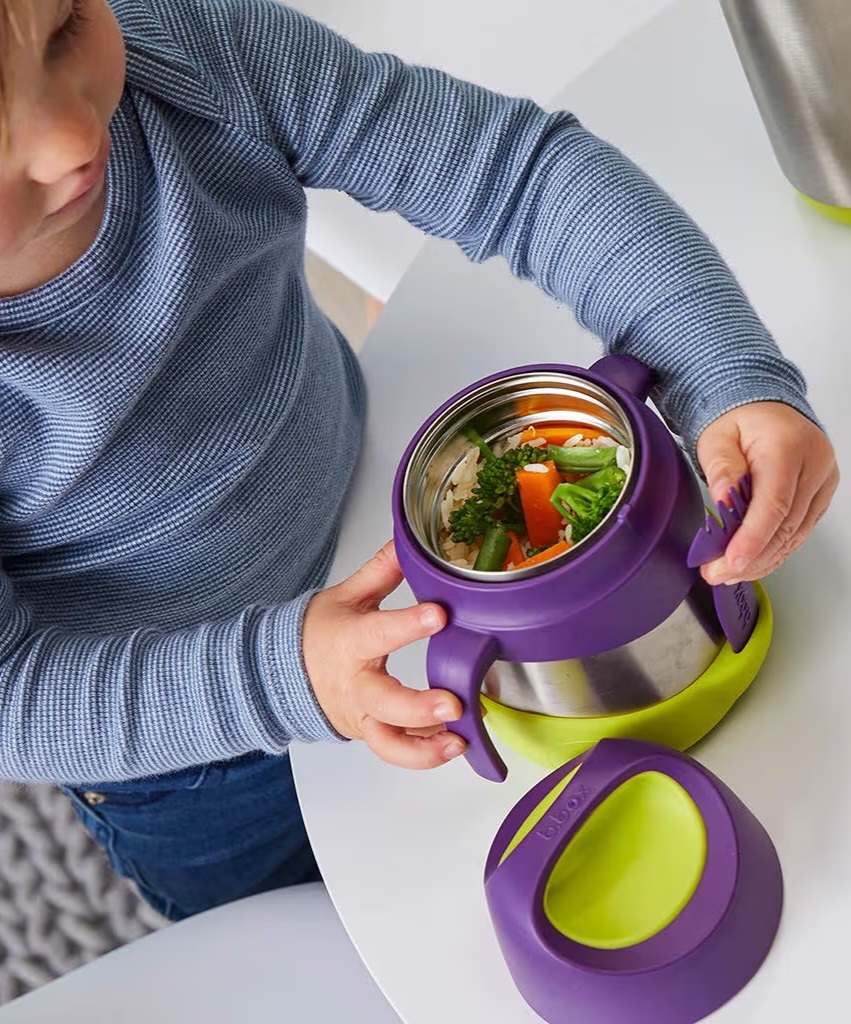
B.box Insulated Food Jar
Eating routines can become a little more flexible when you’re camping, but with babies and toddlers we’ve still found it useful to have a way of taking familiar food with us.
The B.box Insulated Food Jar can keep food hot or cold when we’re away from the tent, giving us more options than relying entirely on whatever happens to be available nearby. We’ve used insulated containers for everything from yogurt and fruit to porridge and warmer meals depending on what we’re doing that day.
It’s particularly handy when we’re heading out for a walk or day trip and don’t know exactly when we’ll be back at the pitch. Like most of our kids’ camping gear, it isn’t about trying to replicate home perfectly — it just gives us another easy option when hunger arrives at a spectacularly inconvenient moment.
What are the 10 most important things to bring camping?
If we had to strip the whole camping packing list back to ten things, we’d take:
- A weather-appropriate tent
- Sleeping bag
- Sleeping mat or airbed
- Warm and waterproof clothing
- Torch or lantern
- Camping stove and fuel
- Food
- Drinking water/water container
- First-aid kit and medication
- Phone and charged power bank
Everything else depends a little more on where you’re camping, how long you’re staying and how comfortable you want your setup to be.
What camping gear can you leave at home?
Probably more than you think.
We’ve become much more selective with camping gear over the years. Clever organisers, specialist cookware and endless campsite gadgets can all be lovely, but they can also turn packing and unpacking into the biggest part of the trip.
For us, the best camping setup isn’t the one with the most equipment. It’s the one where we’re warm, dry, fed and comfortable — and can still see out of the rear window when we pull off the drive.
Start with the genuine essentials, add the things that make your version of camping more enjoyable, and leave some space in the boot for muddy shoes on the way home.
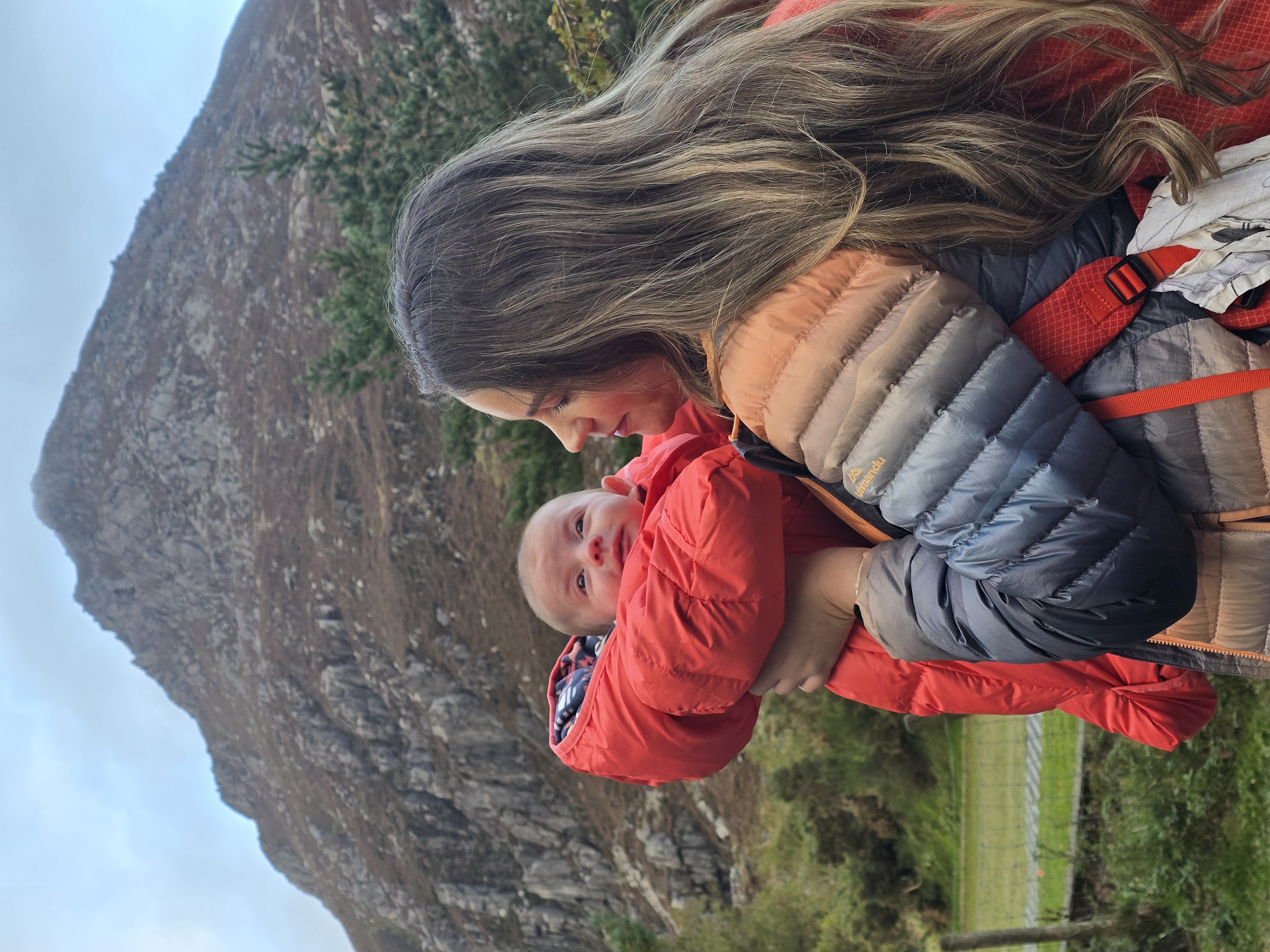
Outdoor Adventure, Travel, and Family Editor.
I share stories from my adventures with my daughter, Daisy, practical gear advice, and tips for navigating family life from my experiences.
Follow Sam’s adventures on Instagram @sams_adventures_