Modern life is noisy, fast, and relentlessly online — and for many people, that constant stimulation contributes to stress and anxiety. As interest in natural approaches to mental wellbeing grows, one practice keeps resurfacing: forest bathing.
But what exactly is forest bathing, and can spending time in nature genuinely help reduce anxiety? In this guide, we’ll break down the science behind it, the potential mental health benefits, and how to try it for yourself.
What is forest bathing?
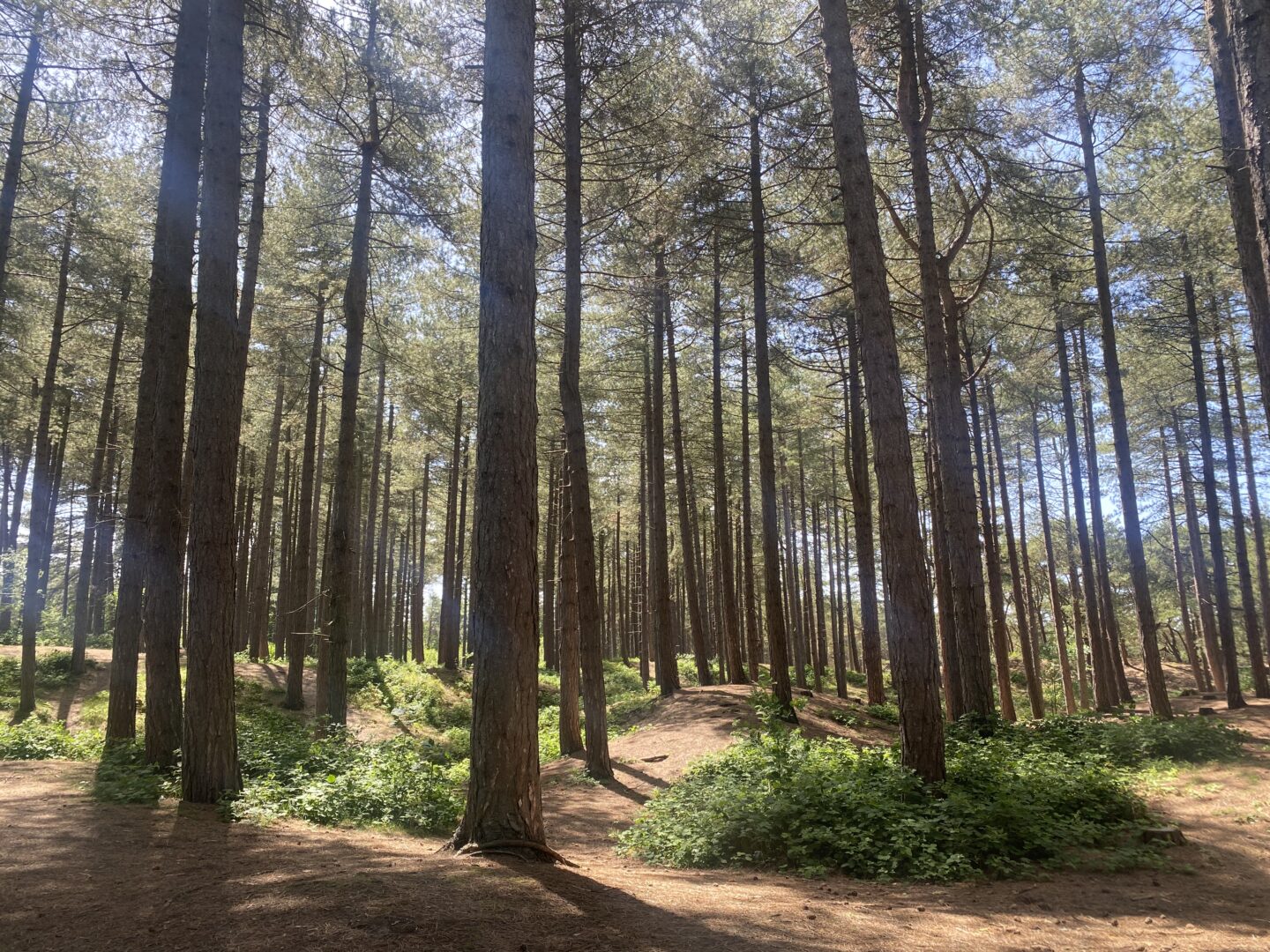
Despite the name, forest bathing doesn’t involve water. The term comes from the Japanese practice Shinrin-yoku, which translates to “taking in the forest atmosphere.” Developed in Japan in the 1980s, it was introduced as a preventative health practice designed to reduce stress and support overall wellbeing.
To put it very simply: forest bathing is no more complicated than going for a wander in your local woods or park – or any area of nature, really.
At its core, forest bathing is the intentional act of spending time in nature – not for exercise or productivity, but for sensory immersion. Unlike a typical walk where your focus might be steps, pace, or destination, forest bathing encourages you to slow down and engage your senses.
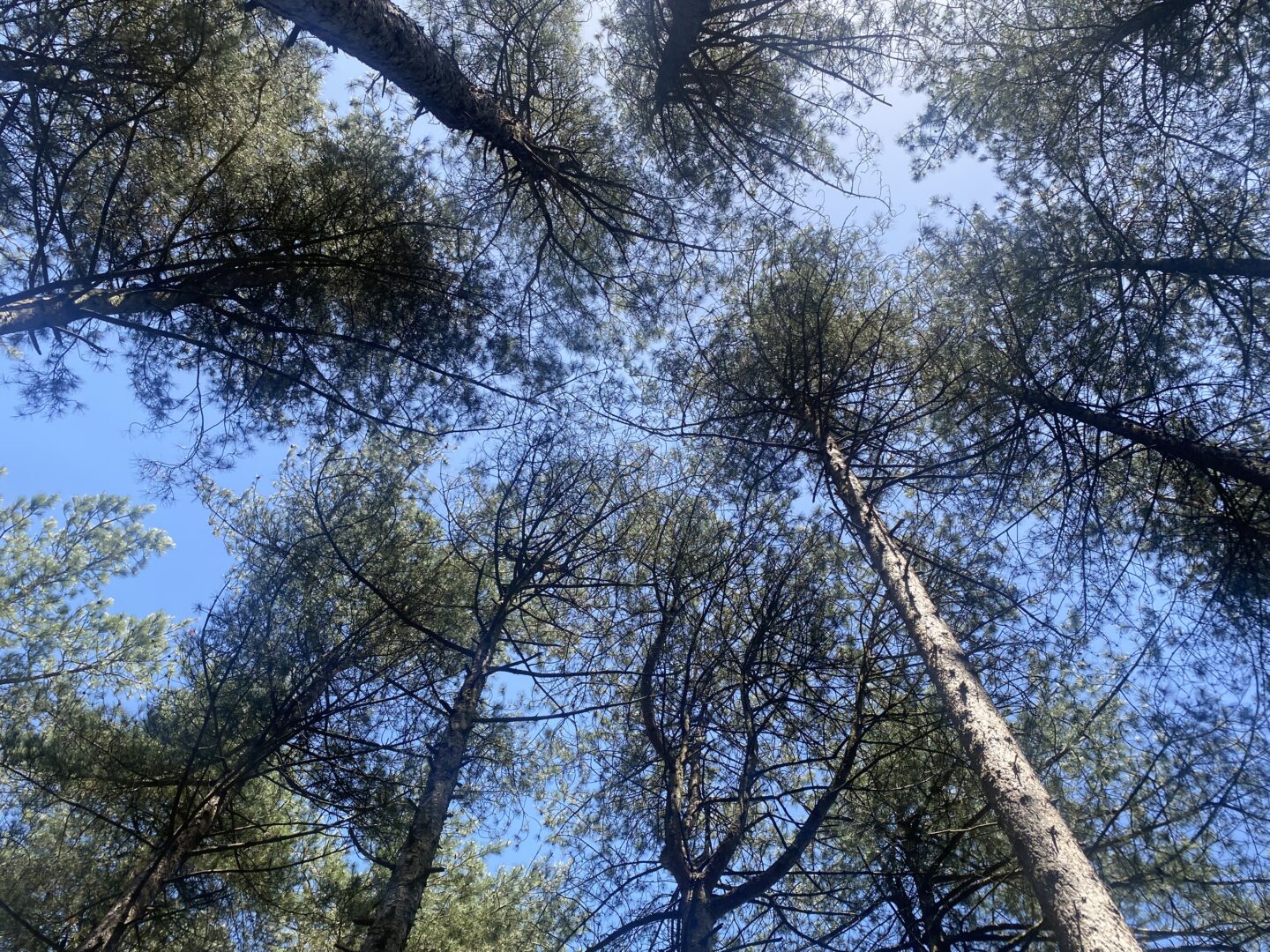
That might mean noticing the texture of tree bark, the sound of wind moving through leaves, or the shift in light through the canopy. The aim isn’t distance or intensity — it’s presence.
You don’t need a remote forest to practise it. A local woodland, park, or green space can offer many of the same benefits, as long as you approach the time with attention rather than distraction.
Top tips:
Pick a quiet time: There tends to be less people around if you go to the woods in the early morning or later in the evening during the summer months. Depending on your schedule you could also try weekday afternoons (outside of the school holidays).
Turn off your phone: If you can turn your phone off, an hour or two of digital detoxing will help you to slow down, relax and focus on being present in the moment.
Many people feel uncomfortable turning their phones off, in case they need to take, (or make) an emergancy call. In which case, keep it in your bag and turn off unnecessary notifications so you’re not tempted to scroll.
Use all of your senses: Touch the trees, how does the bark feel? What different birdsongs can you hear? What do the leaves look like as they catch the sun? What can you smell?
Try closing your eyes and taking ten slow, deep breaths in and out, then gently open your eyes and bring your awareness back to the forest.
Forest bathing health benefits
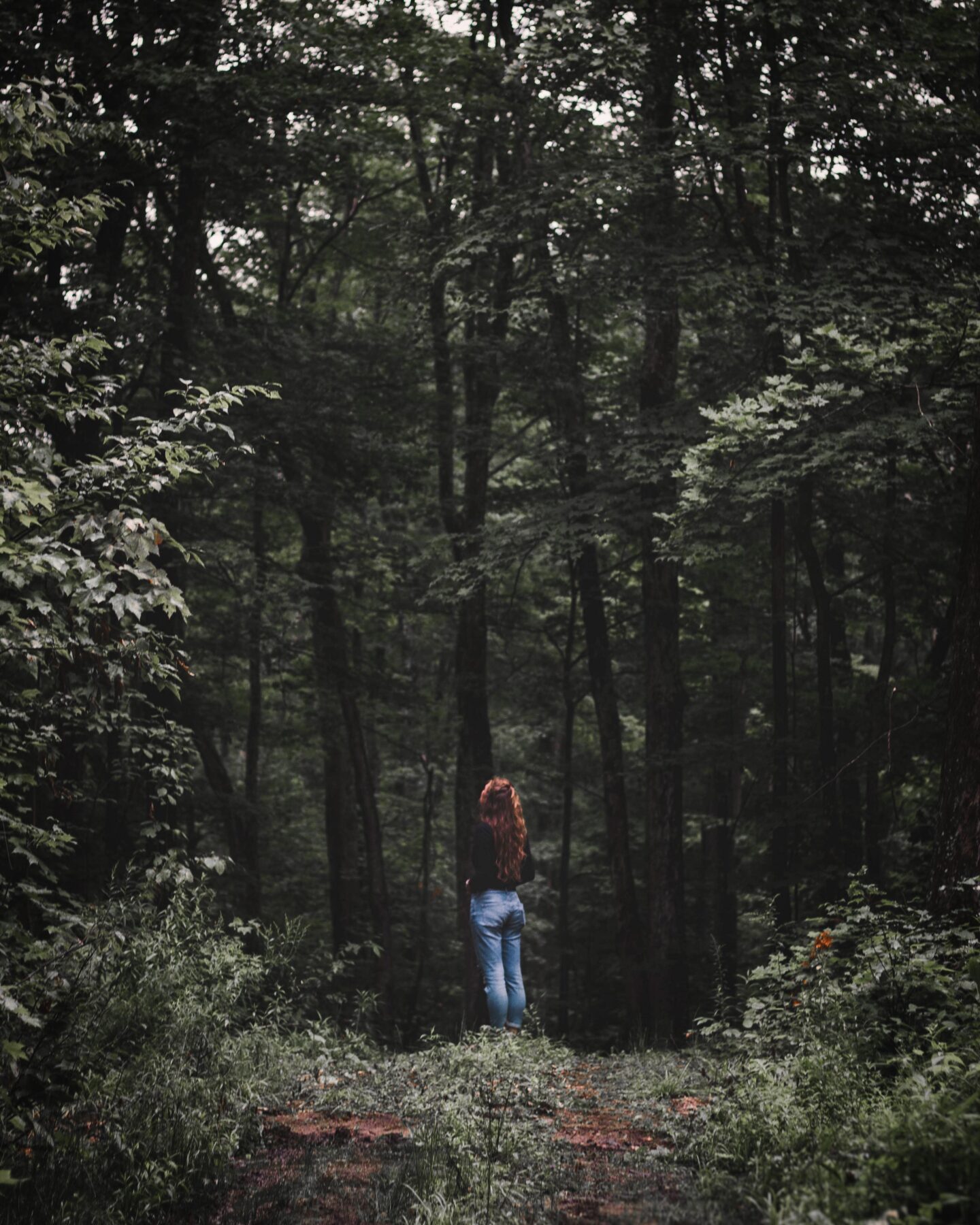
Shinrin-yoku’ was first developed in the 80’s following studies conducted by the Japanese government.
Their studies showed that just 2 hours of mindful exploration in a forest area helped to reduce blood pressure. It also seemed to help lower the cortisol levels (also known as the stress horemone) in the body, and helped participants with both their concentration levels and their memory.
There was also evidence to show that trees release chemicals called phytoncides, which have an anti-microbial effect on human bodies – and can help to boost the immune system.
Because of the results of these studies, the Japanese government introduced ‘shinrin-yoku’ as a national health programme.
But the benefits of this kind of ‘nature therapy’ aren’t exclusive to Japanese research; in 2018, academics at the University of Derby found that improving a person’s connection with nature led to significant increases in their wellbeing.
How does forest bathing affect anxiety and depression?
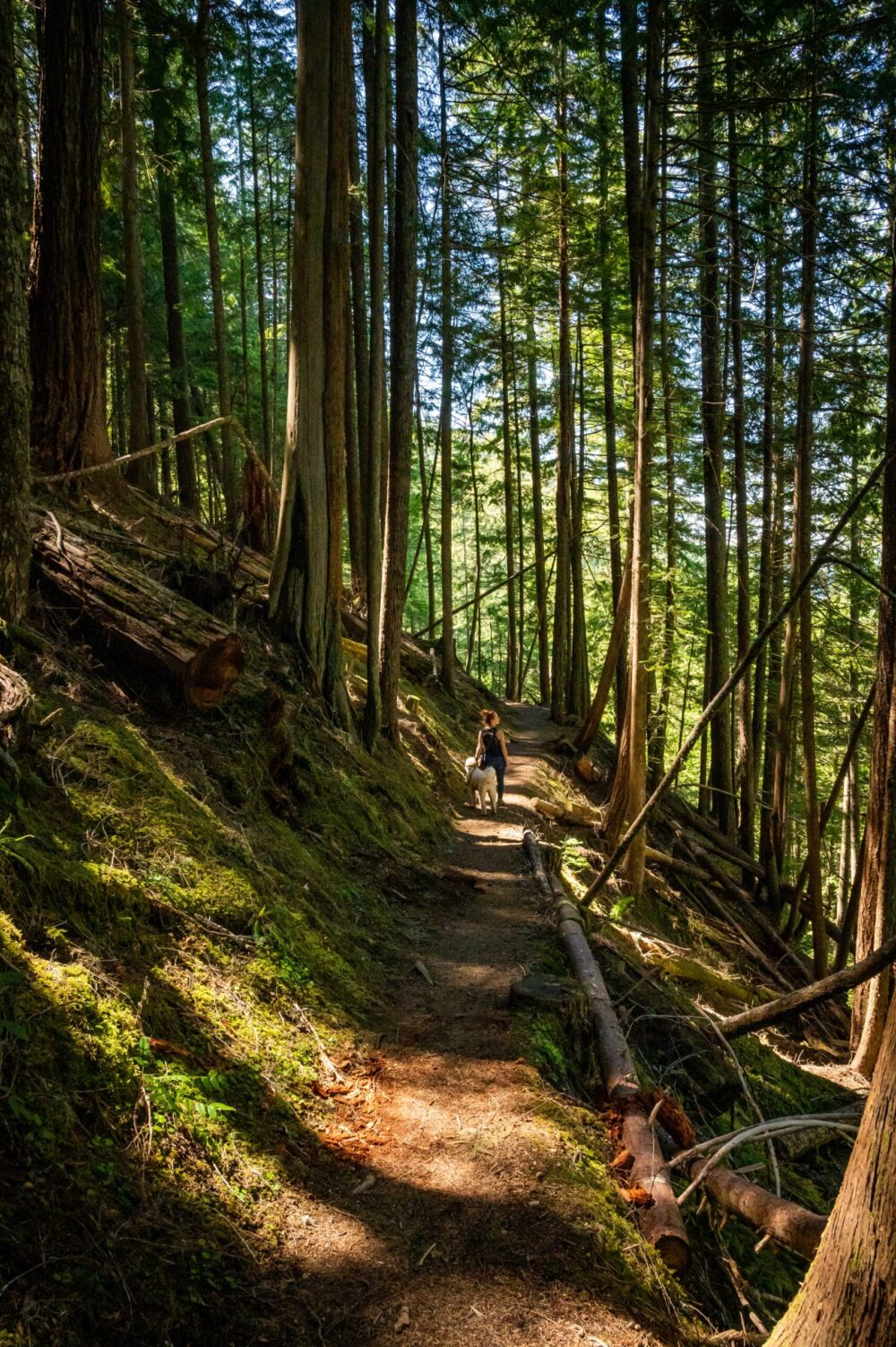
Yoshifumi Miyazaki, a professor at Chiba University in Japan, has been researching the benefits of Forest Bathing since 2004 and has found that leisurely forest walks decrease cortisol by 12.4% compared with urban walks.
Participants in his studies have also anecdotally reported better moods and lower anxiety.
The studies from Derby University also concluded that spending time in nature releases hormones that relate to the pursuit of joy, connecting to calm and avoiding threats.
What time of year is best for forest bathing?
Forest bathing can be practised at any time of year, and each season offers different benefits.
In spring and summer, longer daylight hours and fuller tree canopies create rich sensory experiences. The scent of leaves, grass and flowers – along with higher levels of naturally occurring plant compounds known as phytoncides – may contribute to the calming effects often associated with time in green spaces.
Autumn brings quieter trails, cooler temperatures, and changing colours, which many people find grounding and reflective. Winter, while less vibrant, can offer stillness and reduced distractions, making it easier to focus on breath, sound and subtle shifts in the environment.
While summer is often considered the most comfortable season for forest bathing, there isn’t a single “best” time. The ideal season is simply the one that allows you to slow down and engage with your surroundings consistently.
Forest bathing doesn’t require specialist equipment, perfect weather, or a remote wilderness escape. At its core, it’s about intentional time in nature. Basically, a chance to step away from constant stimulation of everyday life, and allowing your nervous system to reset. Whether you’re walking through a local park in summer or standing among bare winter trees, the practice remains the same: slow down, notice more, and let nature do what it does best. The benefits of forest bathing aren’t found in distance or intensity, but in presence.

Home and Wellness Editor, and resident witch.
I share budget home renovation ideas, easy DIY and upcycling guides, and top tips for all things magick and nature.
Follow me on TikTok @scarlet.wonderland

