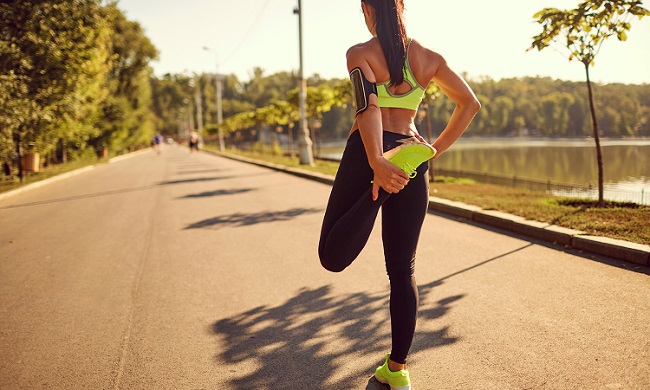
There was a point where I realised running didn’t feel the way it used to. My legs felt heavier, my pace had dropped, and even short runs sometimes felt like hard work. I wasn’t training for a marathon or chasing a huge personal best, but I missed that feeling of running with a bit more ease and confidence.
For a while, I assumed I just needed to push harder. Run further. Be more disciplined. But the more I tried to force it, the slower and more frustrated I felt. What actually helped was taking a step back and looking at the bigger picture. Not just how often I was running, but how I was recovering, what my body needed, and whether I was making things harder for myself without realising.
If running feels slower than it used to, these are the things that genuinely helped me find my speed again.
I Stopped Making Every Run “Hard”
One of the biggest shifts came when I realised I was running almost every run at the same pace. Not slow enough to feel easy, but not fast enough to really build speed either. Once I started mixing things up, things began to feel better. Most runs stayed easy and conversational, but once or twice a week I added short bursts of faster running.
Sometimes that looked like running quickly between lamp posts before slowing down again. Other times it was a few short intervals at the end of a run. It didn’t need to be overly structured to make a difference. Just adding a little variety made running feel less repetitive and helped me feel stronger over time.
I Focused More on Strength Than Speed
I used to think getting faster meant simply running more. But what helped far more was building strength. Not in a punishing, gym-every-day kind of way. Just adding a couple of short strength sessions each week made a noticeable difference to how stable and powerful I felt when I ran.
Simple movements like squats, lunges, glute bridges and core work helped me feel stronger on hills and less tired towards the end of longer runs. It also helped with those little aches that tend to creep in when you’re tired, stressed or trying to do too much at once.
I Paid More Attention to Recovery
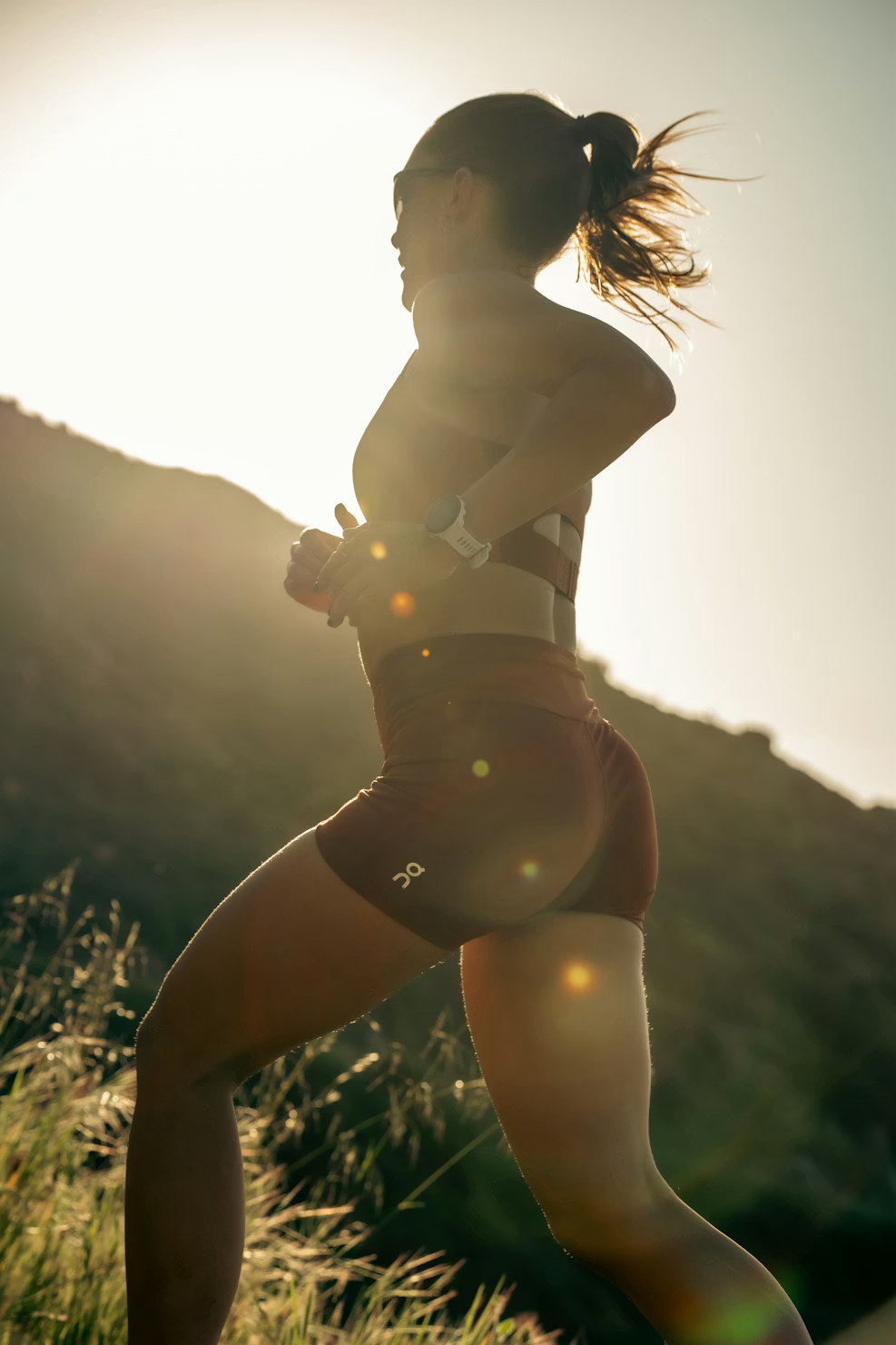
This was probably the hardest lesson for me because recovery can feel unproductive.
But whenever I’m overtired, under-fuelled or trying to squeeze runs into an already busy week, my pace is always the first thing to suffer. The weeks I run best are rarely the weeks I train hardest.
They’re usually the weeks where I’ve slept more, eaten properly, stretched a bit, and given myself permission to rest when I need it. It sounds simple, but I’ve found that taking recovery seriously often does more for my running than adding another run ever could.
I Let Go of What My Pace “Should” Be
Sometimes the hardest part of running slower is not the running itself, but what we make it mean. It’s easy to compare yourself to old versions of yourself. To think about what pace you used to hold, how far you used to run, or how much easier it all once felt.
But bodies change. Life changes. Work, motherhood, stress, poor sleep, hormones, confidence, routine — all of it has an impact.
Letting go of the idea that every run had to match a previous version of myself made a huge difference. It gave me space to enjoy running again rather than constantly feeling like I was falling behind. And strangely, once I stopped obsessing over pace, I started getting faster again.

A Few Things That Genuinely Helped
There are a few things I’ve added into my running routine that have made training feel more comfortable, enjoyable and ultimately more consistent.
The first is the Enertor PX1 Running Insoles. I started using them when my feet were feeling tired and unsupported, especially on longer runs, and they made a noticeable difference. The extra cushioning helped reduce impact, while the added support left me feeling less fatigued after sessions. When you’re trying to increase your running speed, staying comfortable and injury-free is just as important as the training itself, and these insoles have helped make that easier.
I’ve also been impressed with the Helly Hansen Half-Zip Sun Hoodie. Whether I’m out for an easy run or a longer training session, it’s become one of those pieces I automatically reach for. The lightweight, breathable fabric helps regulate temperature, while the UPF 50+ protection is ideal for sunny days when you’re spending more time outdoors. It keeps you comfortable without feeling restrictive, making it easier to focus on your run rather than the conditions.
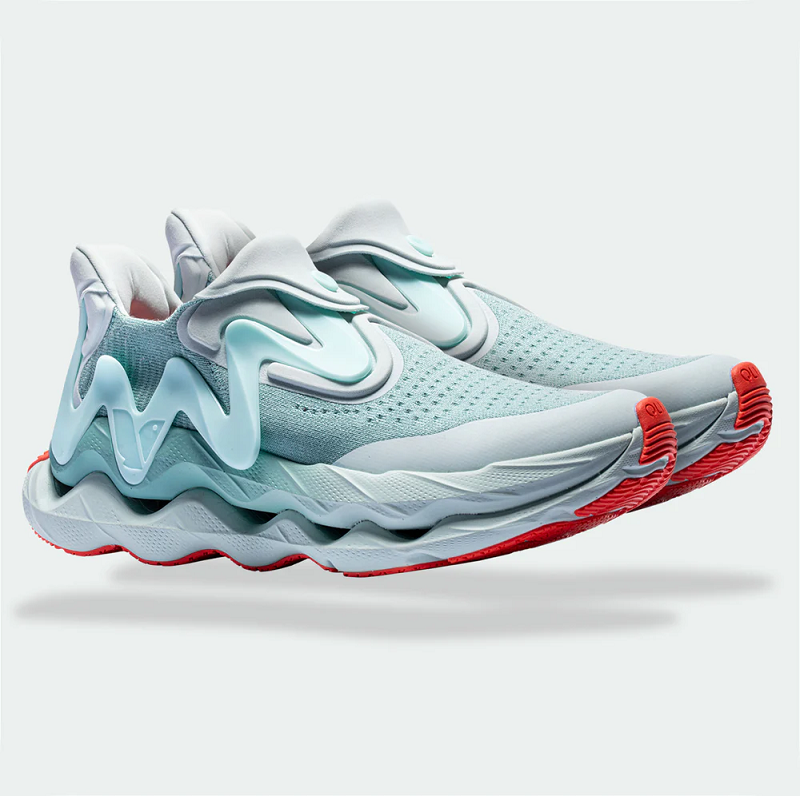
Footwear can also play a big role in how efficiently you run, which is why the QLVR Running Slipper caught my attention. Its innovative laceless design provides a secure fit without the hassle of constantly adjusting laces, while the lightweight construction feels responsive underfoot. Having a shoe that feels comfortable and natural allows you to focus on your form and pace, particularly during faster sessions where every little detail matters.
These products won’t magically make you faster overnight, but they can make training more enjoyable and comfortable, which often leads to greater consistency – and that’s where the real improvements happen.
Editor recommended running gear:
These insoles have transformed the comfort of my everyday runs. They provide support where I need it most and absorb impact in a way that reduces fatigue. I’ve noticed fewer aches in my knees and feet, and my stride feels more efficient. For anyone who struggles with tired or sore feet, these insoles make a small but tangible difference, helping me run longer and more comfortably.
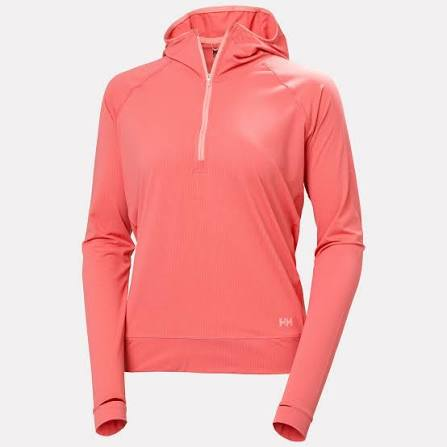
Helly Hansen Half-Zip Sun Hoodie
When it comes to improving your running performance, comfort is just as important as training. The Helly Hansen Half-Zip Sun Hoodie is designed for runners who spend long hours outdoors, combining lightweight, breathable fabric with UPF 50+ sun protection to help shield your skin during sunny training sessions. The half-zip design allows for quick ventilation when the pace picks up, while practical features such as thumb holes and a fitted hood provide extra coverage and comfort on the move. Whether you’re building endurance on summer runs or tackling trail routes, this versatile layer helps you stay cool, protected and focused on your performance.
QLVR Running Slippers
The right footwear can make a significant difference to both comfort and performance, and the QLVR Running Slipper offers a unique approach to running and training. Designed specifically around female biomechanics, these innovative laceless shoes feature QLVR’s patented Wing Fit system, which provides a secure, locked-in feel without the need for traditional laces. Lightweight, responsive and built with energy-returning materials, they’re designed to support everything from speed sessions and interval training to gym workouts and everyday runs. For runners looking to improve efficiency while enjoying a comfortable, hassle-free fit, the QLVR Running Slipper is a standout option worth considering.
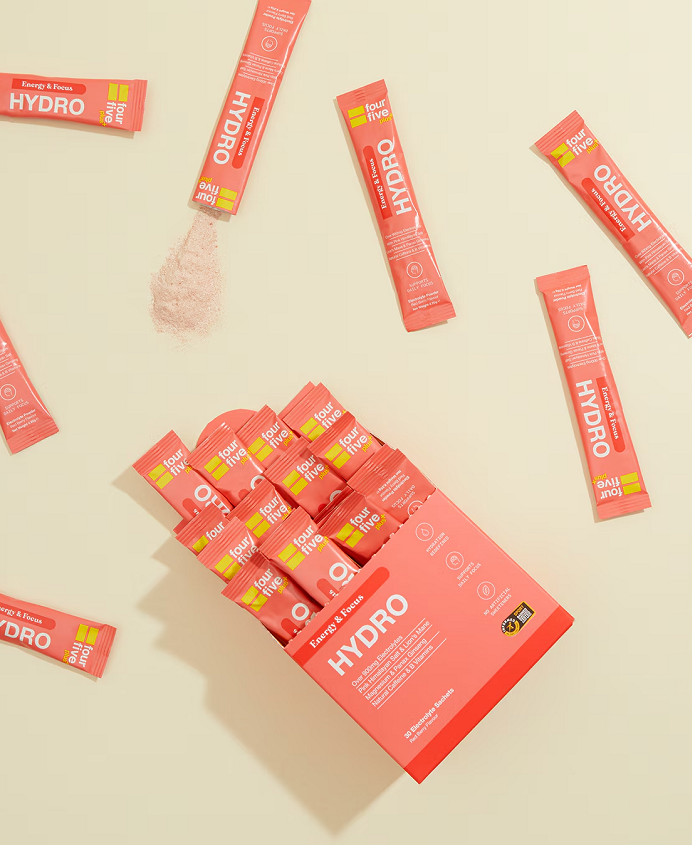
fourfive electrolyte powder sachets – from £10
I’ve started carrying these in my hydration pack on longer runs or hot days. They dissolve easily and taste subtle rather than overly sweet, which makes it easier to stay hydrated without feeling like I’m forcing myself to drink. They’ve helped me feel more energetic towards the end of runs and reduced the post-run slump that used to leave me sluggish. It’s a small addition, but it really makes a noticeable difference in endurance and recovery.
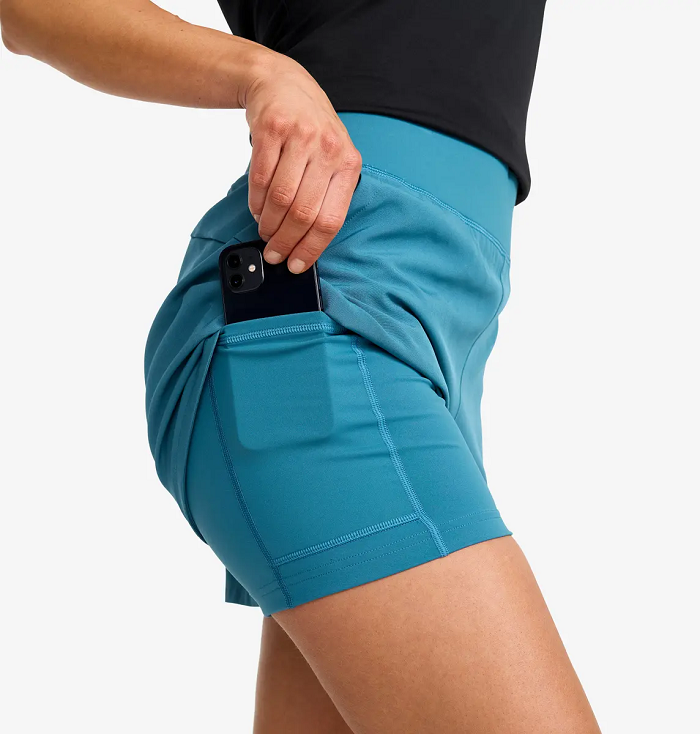
RevolutionRace Rise 2-in-1 Shorts Women Blue Ashes – £55
These shorts are perfect for the runner who likes a bit of security without bulk. The inner layer provides a snug fit that prevents chafing, while the outer layer is loose enough to allow freedom of movement. I’ve found that the pockets are just the right size for keys or a small snack, and the fabric dries quickly after a sweaty run. They’re stylish enough to feel like a treat but practical enough to make running easier and more comfortable.
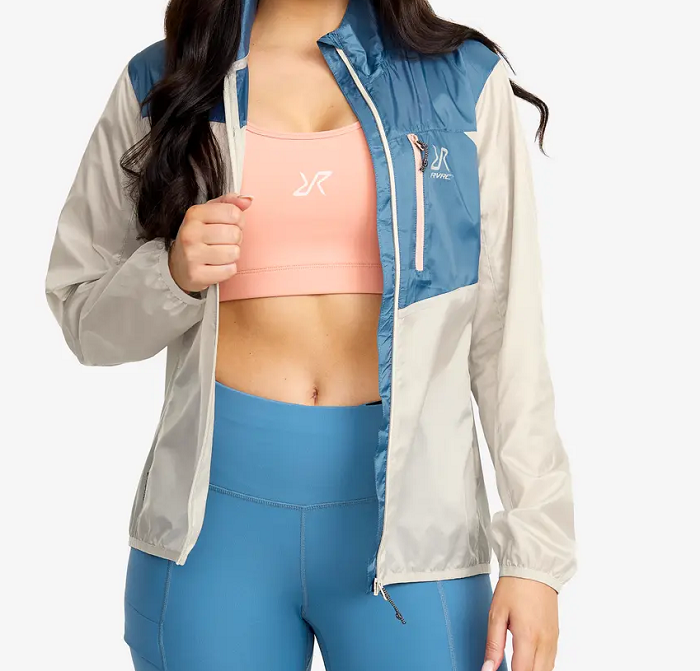
RevolutionRace Ultra Light Windbreaker – £79
Lightweight, packable, and just the right amount of protection against wind and drizzle, this windbreaker has quickly become my go-to for cooler runs. It moves with me rather than against me, meaning I’m not tugging or fidgeting mid-run, and the breathable fabric keeps me from overheating when I pick up the pace. I can throw it in a backpack or clip it to my belt, so even if the weather changes unexpectedly, I’m ready without having to lug around heavy layers.
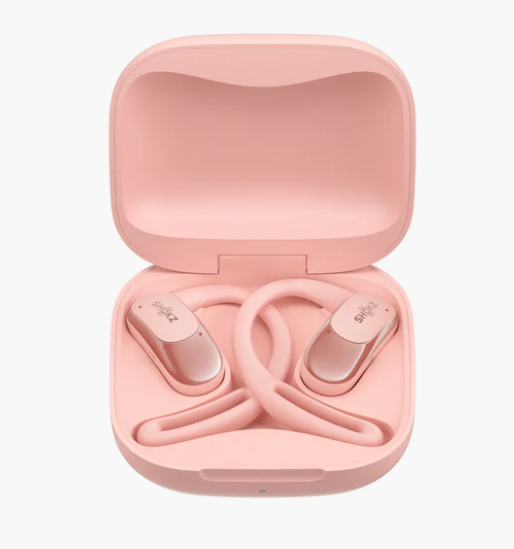
Shokz OpenFit Air Open-Ear True Wireless Earbuds – £94
These earbuds let me enjoy music, podcasts, or guided runs while staying aware of my surroundings. I love that they don’t block out ambient sounds — I can hear traffic, birds, or fellow runners — which makes me feel safer and more connected to the environment. They’re lightweight and stay in place well, so I can forget I’m wearing them and just focus on my run or hike.
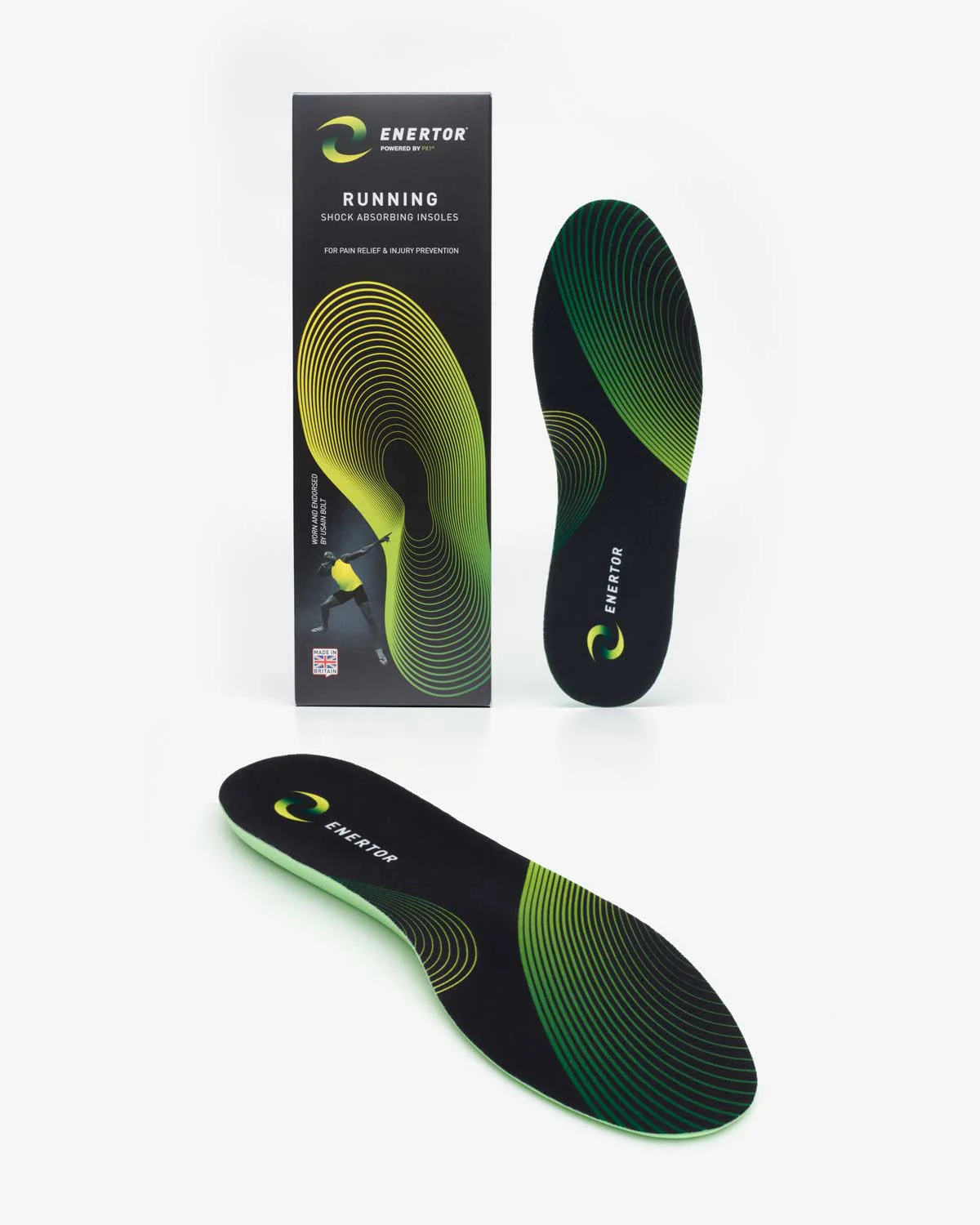
Enertor PX1 Running Insoles – £40
These insoles have transformed the comfort of my everyday runs. They provide support where I need it most and absorb impact in a way that reduces fatigue. I’ve noticed fewer aches in my knees and feet, and my stride feels more efficient. For anyone who struggles with tired or sore feet, these insoles make a small but tangible difference, helping me run longer and more comfortably.
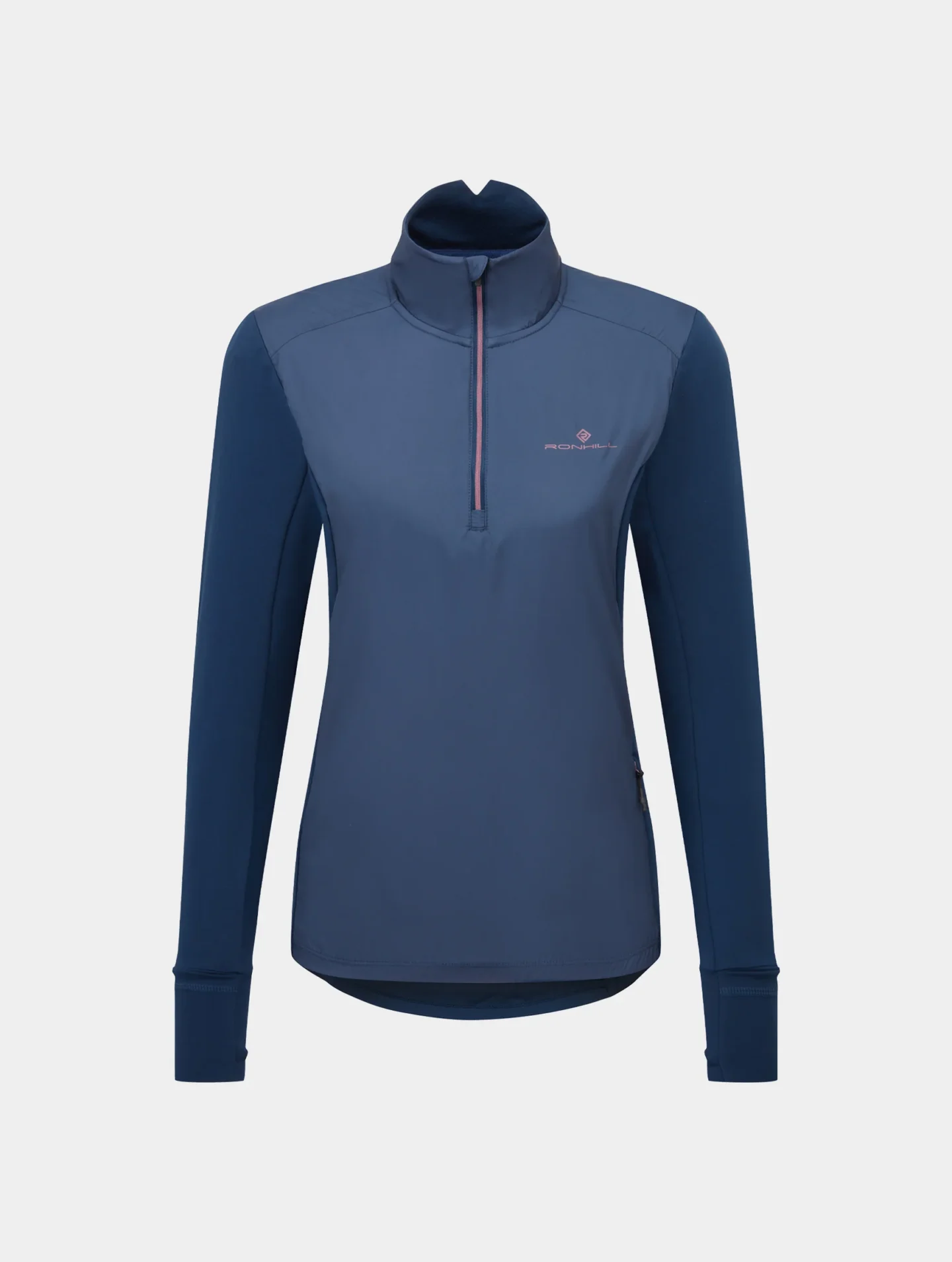
Ronhill Women’s Tech Wind-Block 1/2 Zip Top – £75
I reach for this top whenever it’s chilly or windy. It feels like a gentle hug against the elements without weighing me down. The fabric wicks away sweat, keeps the wind off my chest, and layers well if the temperature drops further. It’s become one of those pieces that makes it easier to step out the door because I know I’ll stay comfortable throughout my run.
Running faster again didn’t happen overnight, and some days still feel harder than others. But by paying attention to the small things — the gear that supports me, the mindset I bring, and simply showing up consistently — I’ve started to feel like myself on the run again. It’s a reminder that progress doesn’t have to be dramatic to be meaningful, and sometimes, small steps are the ones that carry you the furthest.
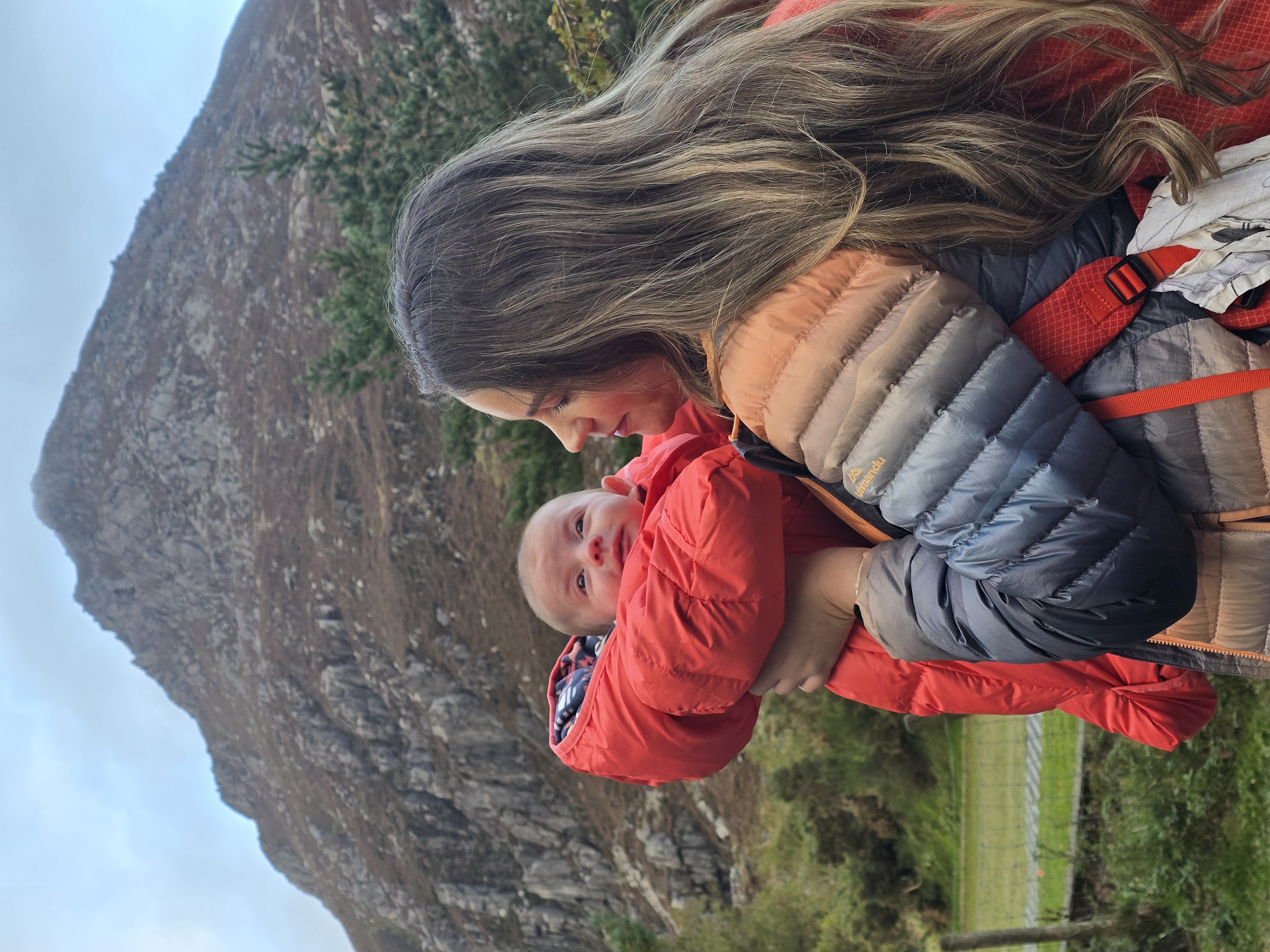
Outdoor Adventure, Travel, and Family Editor.
I share stories from my adventures with my daughter, Daisy, practical gear advice, and tips for navigating family life from my experiences.
Follow Sam’s adventures on Instagram @sams_adventures_
