Most of us spend time choosing the right supplements. We compare ingredients, read reviews, and look for formulas that promise better sleep, stronger immunity or glowing skin.
But there’s one detail many people overlook: the bottle itself.
It’s easy to assume wellbeing product packaging is mostly about branding or shelf appeal, but in reality the container plays an important role in protecting the ingredients inside. From the material used to make the bottle to its colour and sealing system, every element is designed to keep vitamins stable and effective.
Understanding how this works can help you make better choices when buying supplements, and make sure you’re actually getting the benefits you expect.
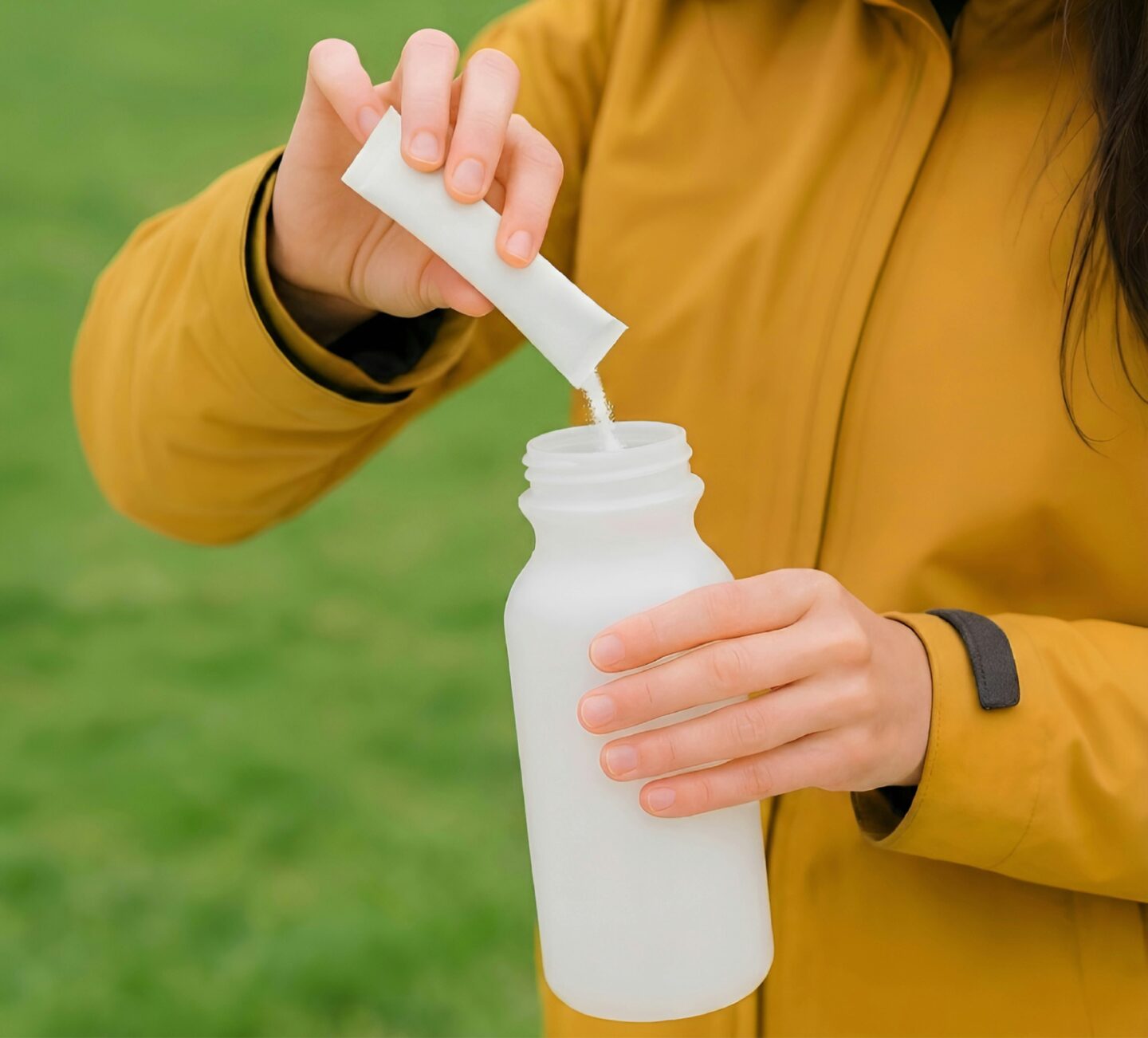
The Material of the Bottle Protects Freshness
Vitamins and supplements are surprisingly sensitive to their environment. Exposure to moisture, oxygen or fluctuating temperatures can gradually cause certain nutrients to degrade, reducing their potency over time.
This is why supplement brands carefully choose packaging materials that act as protective barriers.
Glass bottles are often used because they prevent air from entering and are fully recyclable. However, glass can be heavy and fragile, which makes it less practical for everyday use or travel.
Many brands instead rely on specialised plastics designed for health products. For example, HDPE bottles are widely used in the supplement industry because they provide an excellent moisture barrier while remaining lightweight and highly durable.
This type of packaging helps keep capsules dry and stable, protecting the ingredients inside so they stay effective from the first dose to the last.
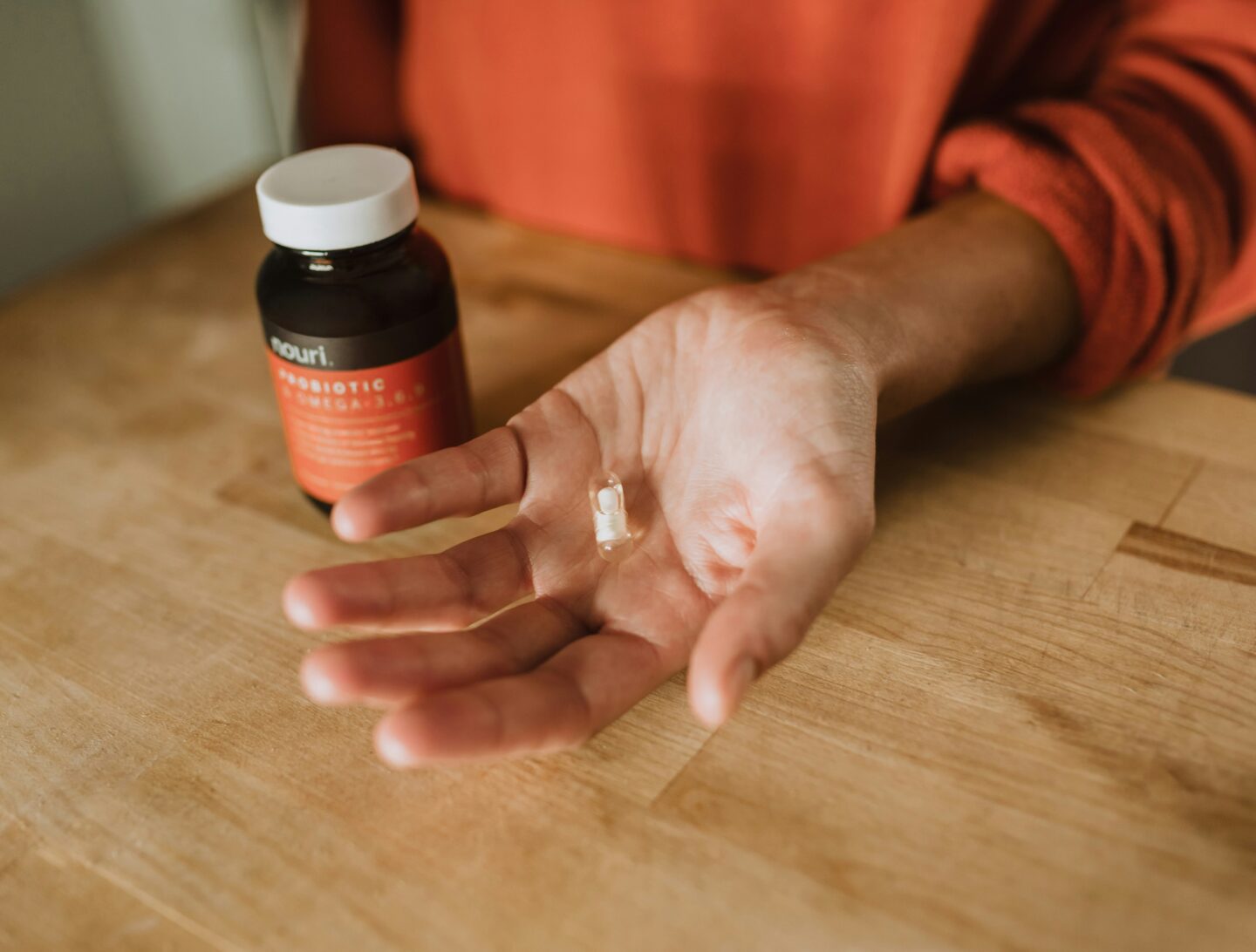
The Colour of the Bottle Serves a Purpose
If you’ve ever noticed that many supplements come in amber, cobalt blue or completely opaque containers, that isn’t just a design choice.
Light, particularly ultraviolet (UV) light, can damage certain vitamins and nutrients. Ingredients like vitamin C, B vitamins and fish oils are especially sensitive to light exposure.
When supplements are stored in clear packaging, UV rays can penetrate the bottle and trigger chemical reactions that gradually reduce their effectiveness.
Darker bottles help prevent this. Amber glass filters out harmful UV light, while opaque containers block light completely. This helps maintain the stability of the ingredients and ensures the product remains effective throughout its shelf life.
So that sleek, dark bottle on your shelf isn’t just aesthetic, it’s actually working to protect what’s inside.
Packaging Also Plays an Important Safety Role
Packaging isn’t only about protecting the vitamins themselves, it also protects the people taking them.
Most supplements include tamper-evident seals, such as foil layers or protective rings beneath the cap. These seals ensure the product hasn’t been opened or contaminated before reaching the consumer.
Child-resistant caps are another key feature, particularly for supplements containing higher doses of nutrients like iron or concentrated herbal extracts. These safety closures help prevent accidental access in households with young children.
Together, these design features help maintain both product integrity and consumer safety.
How to Store Your Supplements Properly at Home
Even the best packaging can only do so much once a bottle has been opened.
To preserve the quality of your supplements, it’s important to store them in a cool, dry place away from direct sunlight. Kitchens and cupboards tend to work better than bathrooms, where steam and humidity can affect certain products over time.
Taking a moment to store supplements correctly, alongside choosing products packaged in protective containers, can help ensure you get the maximum benefit from your daily routine.
Because when it comes to supporting your wellbeing, even the bottle matters.

Just a group of real women dealing with life’s daily struggles! Want to write for us? Email: hello@thedailystruggle.co.uk

