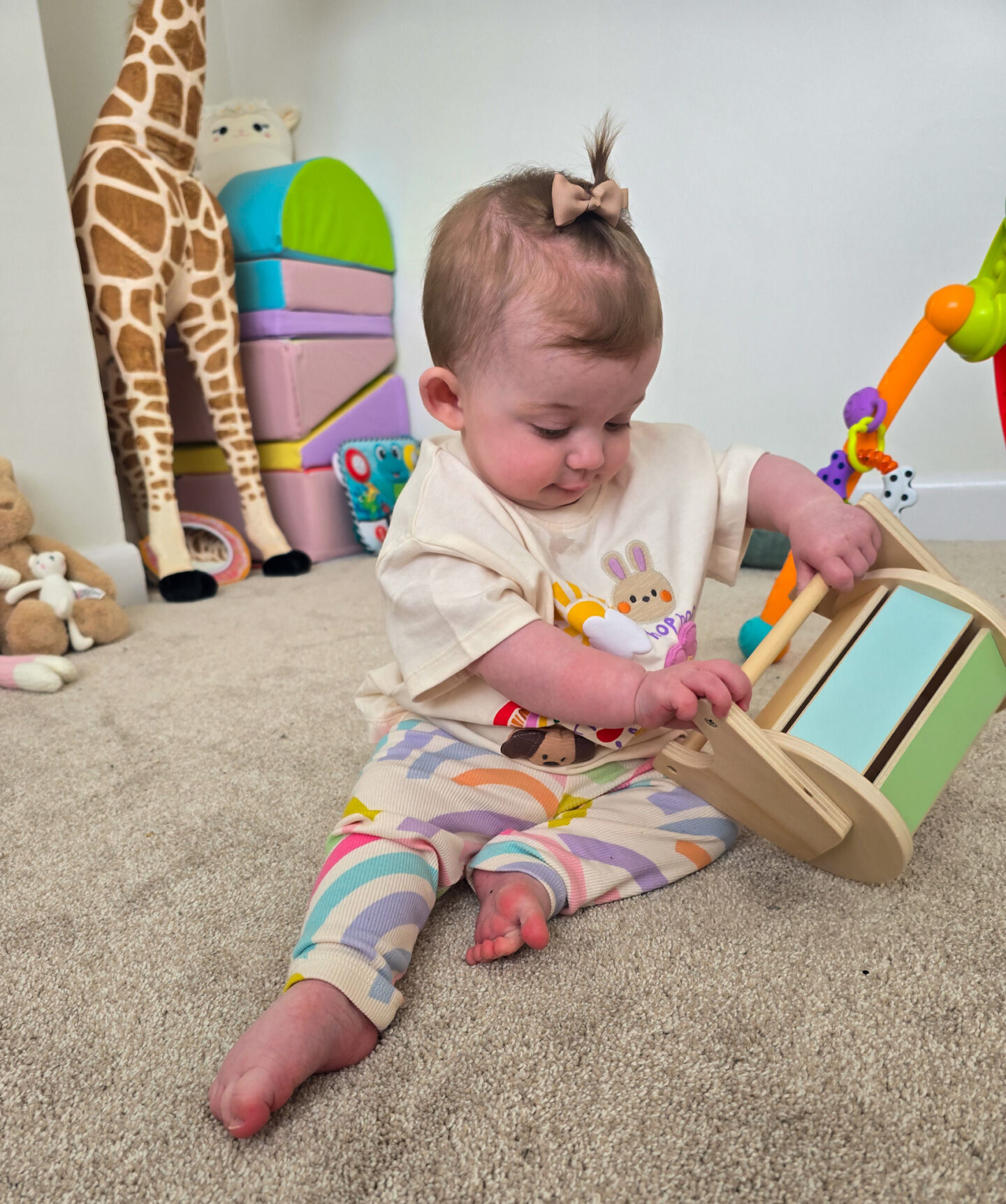
Before I became a mum, I thought buying toys would be easy. I’d choose something colourful, something educational, or whatever seemed popular online.
Now Daisy is approaching her first birthday, I ask completely different questions. Will she still play with this in six months? Can she use it in different ways? Will it grow with her instead of ending up forgotten at the back of a cupboard?
Somewhere along the way, I discovered the idea of open-ended play. I didn’t set out to become a “wooden toys only” parent, and Daisy still likes plenty of interactive toys. But understanding this simple concept has completely changed how I buy toys and, if I’m honest, we’ve ended up buying fewer because of it.
What Is Open-Ended Play?
Open-ended play is exactly what it sounds like. Instead of a toy telling a child how to play, it gives them the freedom to decide for themselves.
There isn’t a right answer. No winning. No instructions to complete. One day a toy might become a castle, the next day a bridge, and the following week part of an imaginary café.
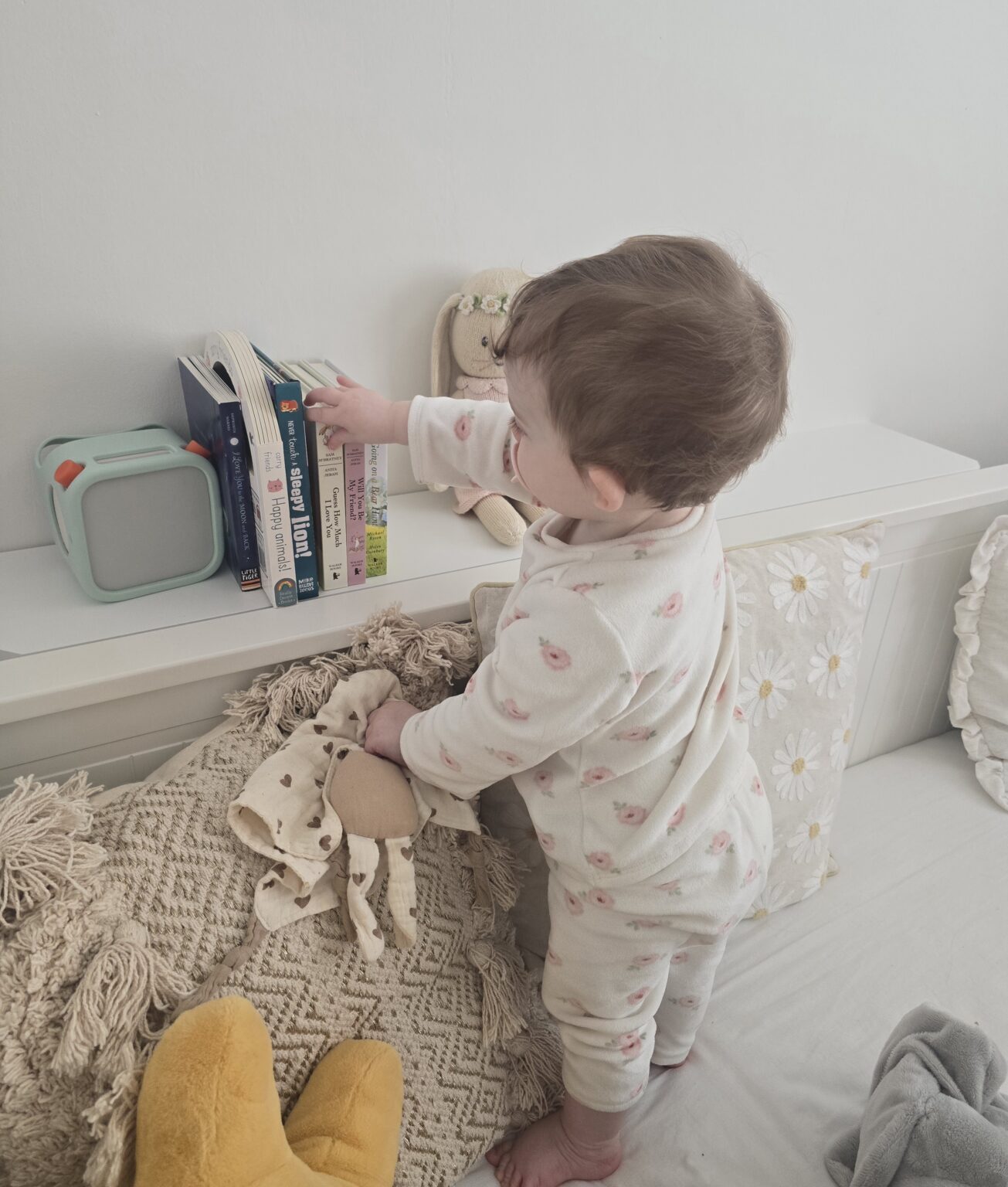
Children create the play rather than following it. That’s one of the biggest reasons these toys often stay relevant for years rather than weeks.
I Didn’t Realise We Were Already Doing It
Looking back, Daisy naturally gravitated towards open-ended play long before I’d ever heard the phrase.
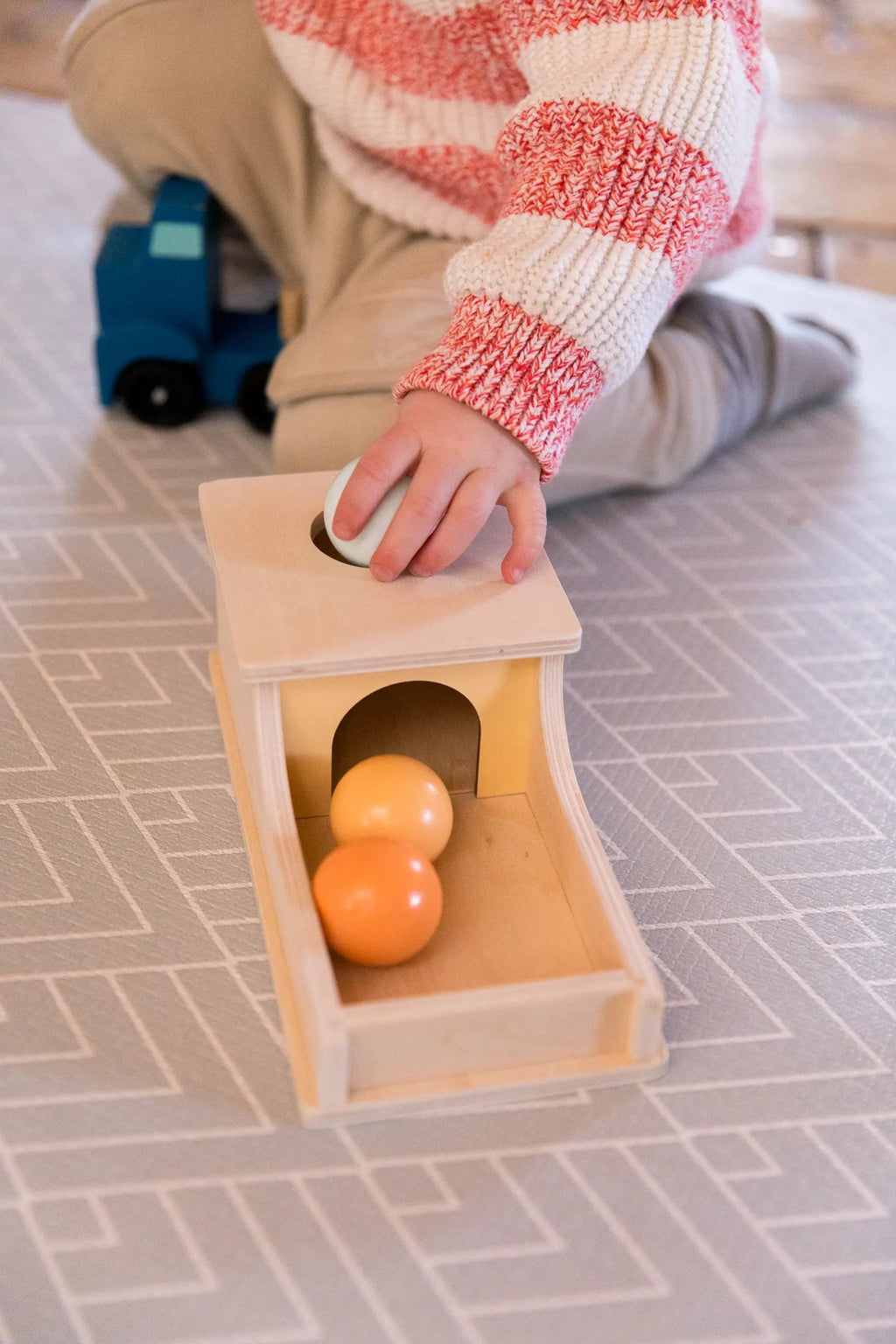
She loved posting balls into containers.
Stacking cups.
Pulling everything out of baskets just to put it back again.
Rolling objects across the floor.
Opening cupboards.
Even the cardboard box from a delivery was sometimes more exciting than the toy inside.
None of these activities had an objective. She was simply experimenting, exploring and learning. Once I recognised that, it completely changed how I looked at toys.
It Isn’t About Buying Expensive Wooden Toys
One thing I quickly realised is that open-ended play isn’t about filling your home with expensive Montessori equipment. It’s a way of thinking.
Some of Daisy’s favourite toys cost very little. A basket of scarves, wooden spoons, silicone cups, cardboard tubes or an empty tissue box.
Open-ended play is less about buying more and more about giving children opportunities to use their imagination. That said, some toys naturally lend themselves to this style of play better than others.
Toys That Changed How We Play
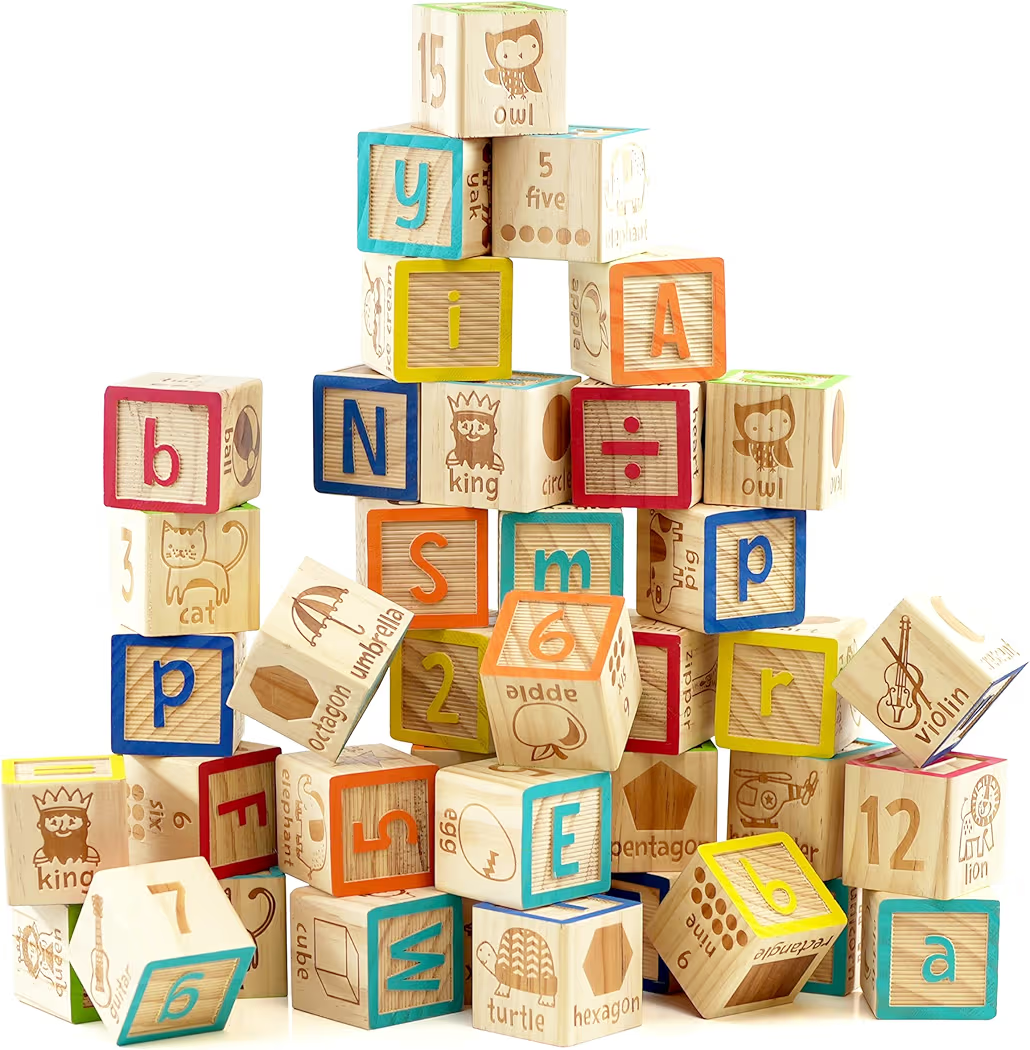
Wooden building blocks
One of the simplest examples is a set of wooden blocks. At first they’re stacked. Then knocked over. Eventually they become towers, bridges, houses, roads and entire imaginary worlds. Because there isn’t one correct way to play, children keep finding new uses as they grow.
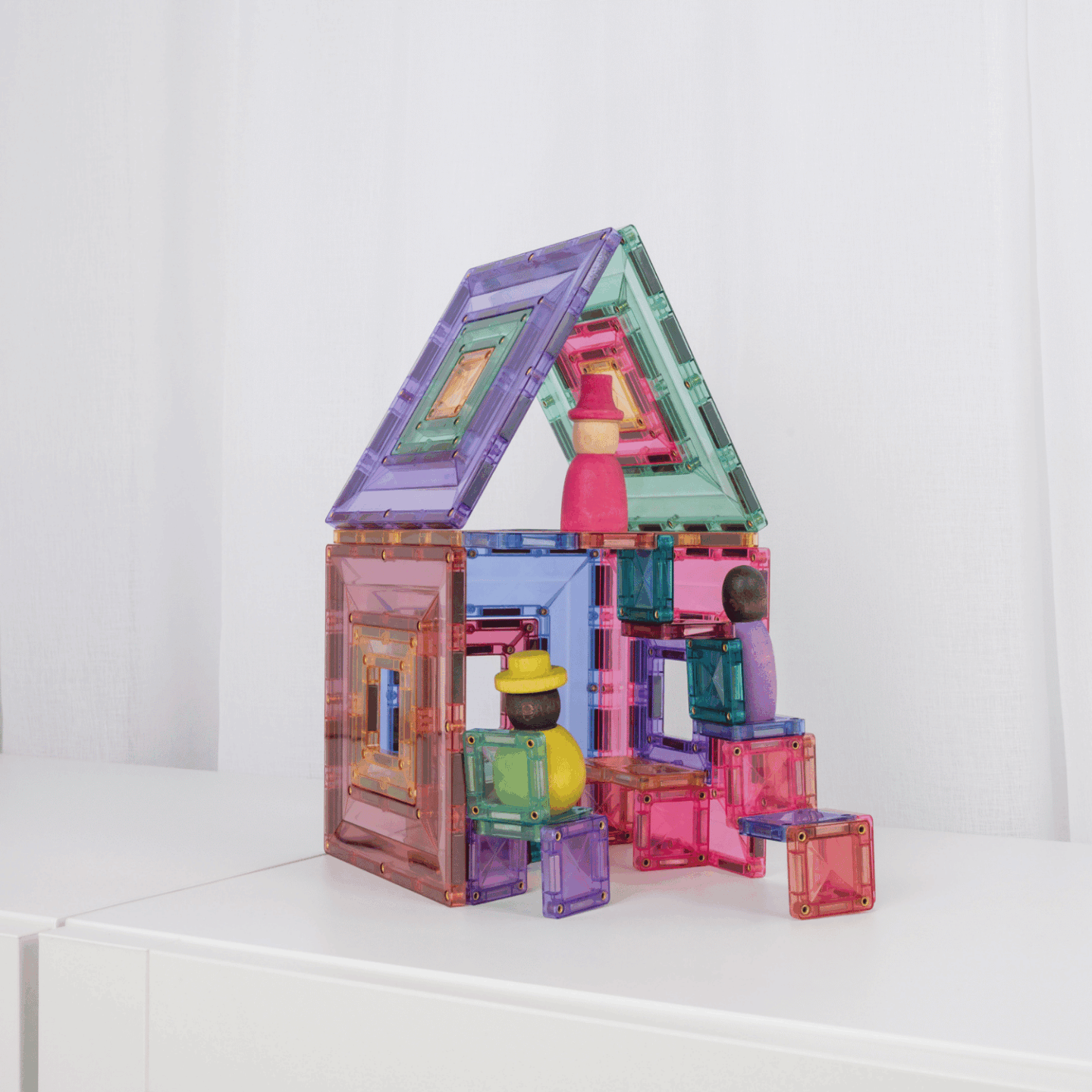
CONNETIX magnetic tiles
If there’s one toy that perfectly sums up open-ended play, it’s magnetic tiles. The CONNETIX Pastel Portal Pack is designed for older children, but it’s a great example of a toy that genuinely grows with them. Today it might become a simple doorway. Next year it’s likely to become castles, marble runs, rocket ships and entire miniature towns. Every child builds something different, which is exactly the point.
Rainbow Blocks and Rainbow Architect Arches
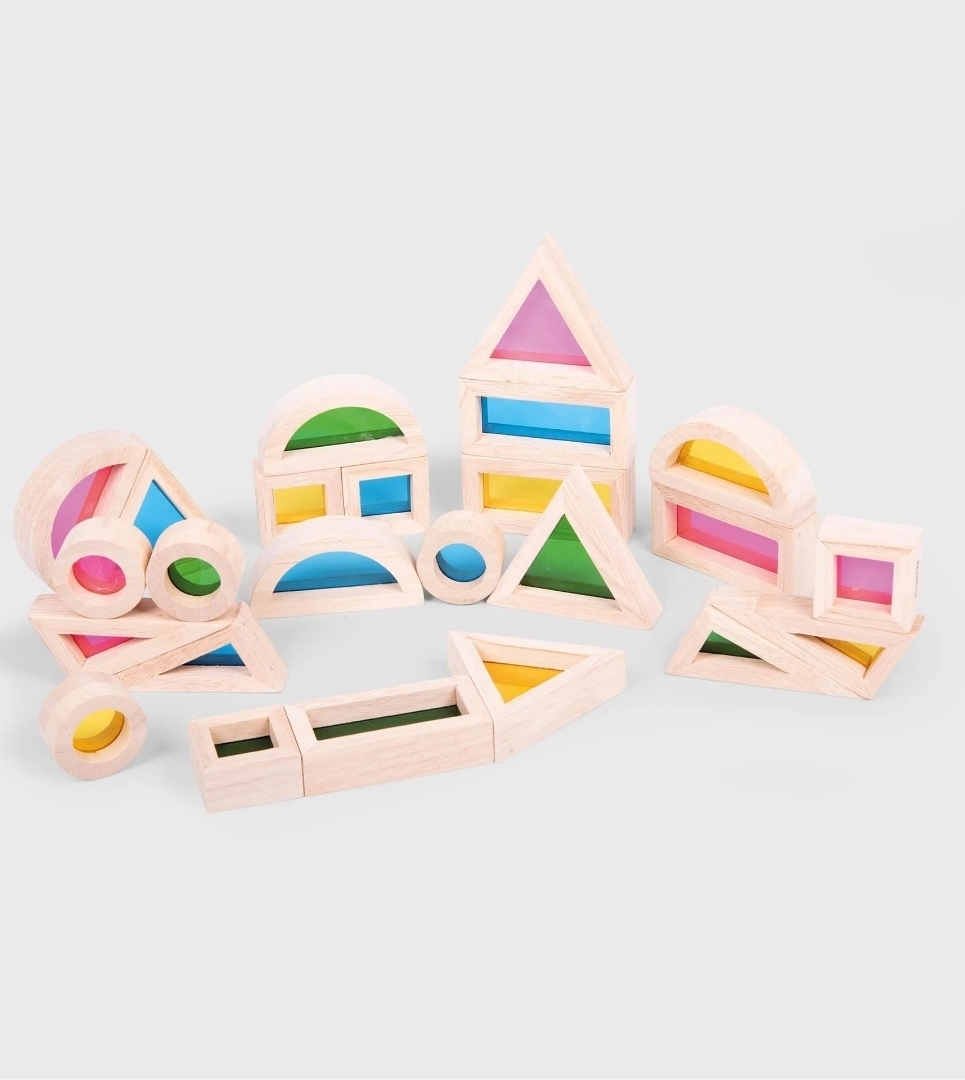
We’ve also been trying the Tickit Rainbow Blocks and Rainbow Architect Arches, and I completely understand why they’re so popular. The transparent coloured blocks catch the light beautifully, making them just as interesting to explore on a sunny windowsill as they are for stacking.
Meanwhile, the arches become bridges, tunnels, balancing games or decorative patterns depending on whatever children imagine. There’s no single purpose, which means they don’t quickly lose their appeal.
A baby walker that becomes part of play
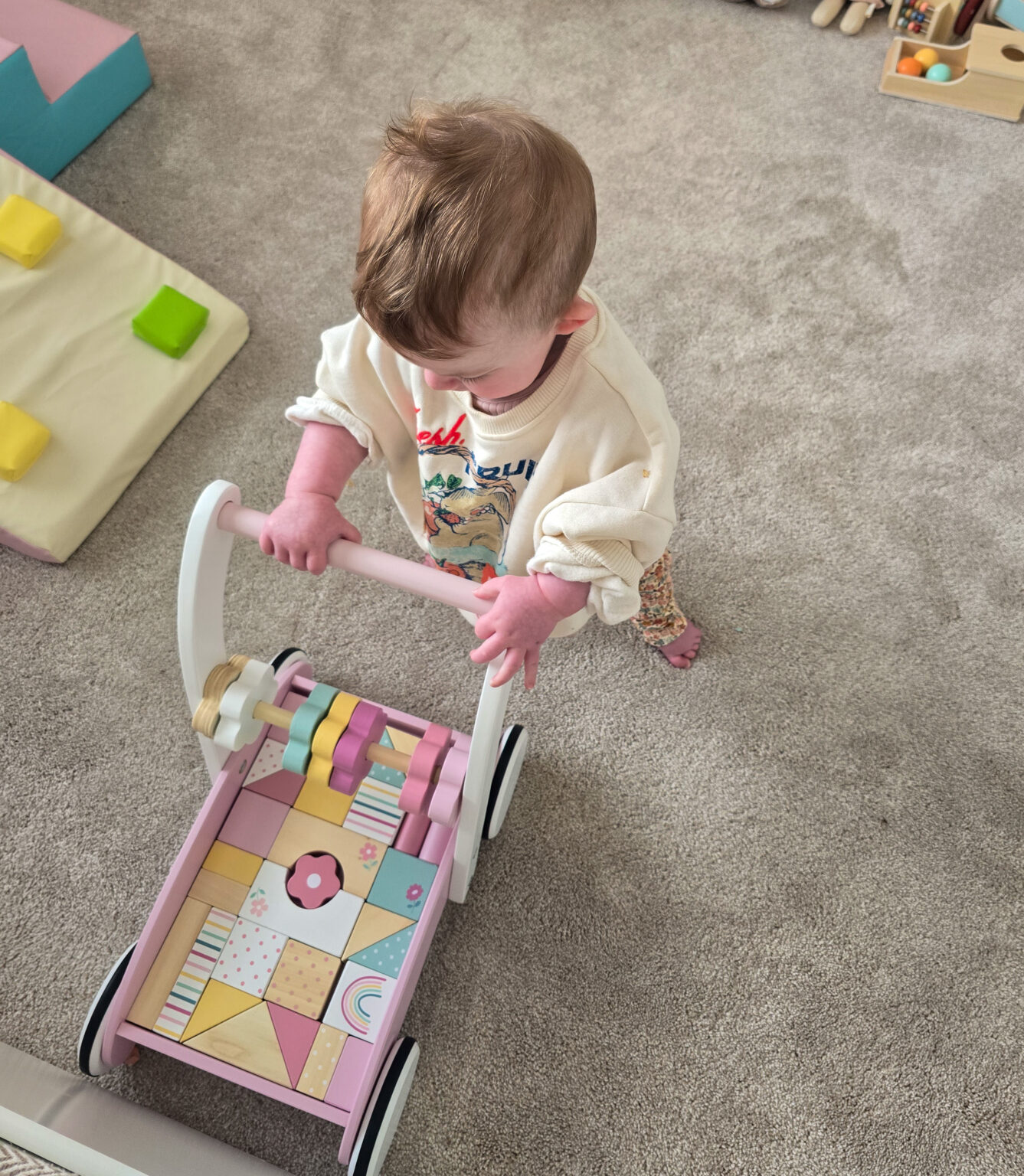
When Daisy first started pulling herself up, her wooden baby walker gave her confidence to practise standing and taking those first little steps. Now it’s just as likely to be used for transporting soft toys around the house. The blocks come out. The walker becomes a shopping trolley.
Then it becomes somewhere to collect treasures. It’s another reminder that children often invent far more interesting ways to play than adults ever could.
Loose parts and activity trays
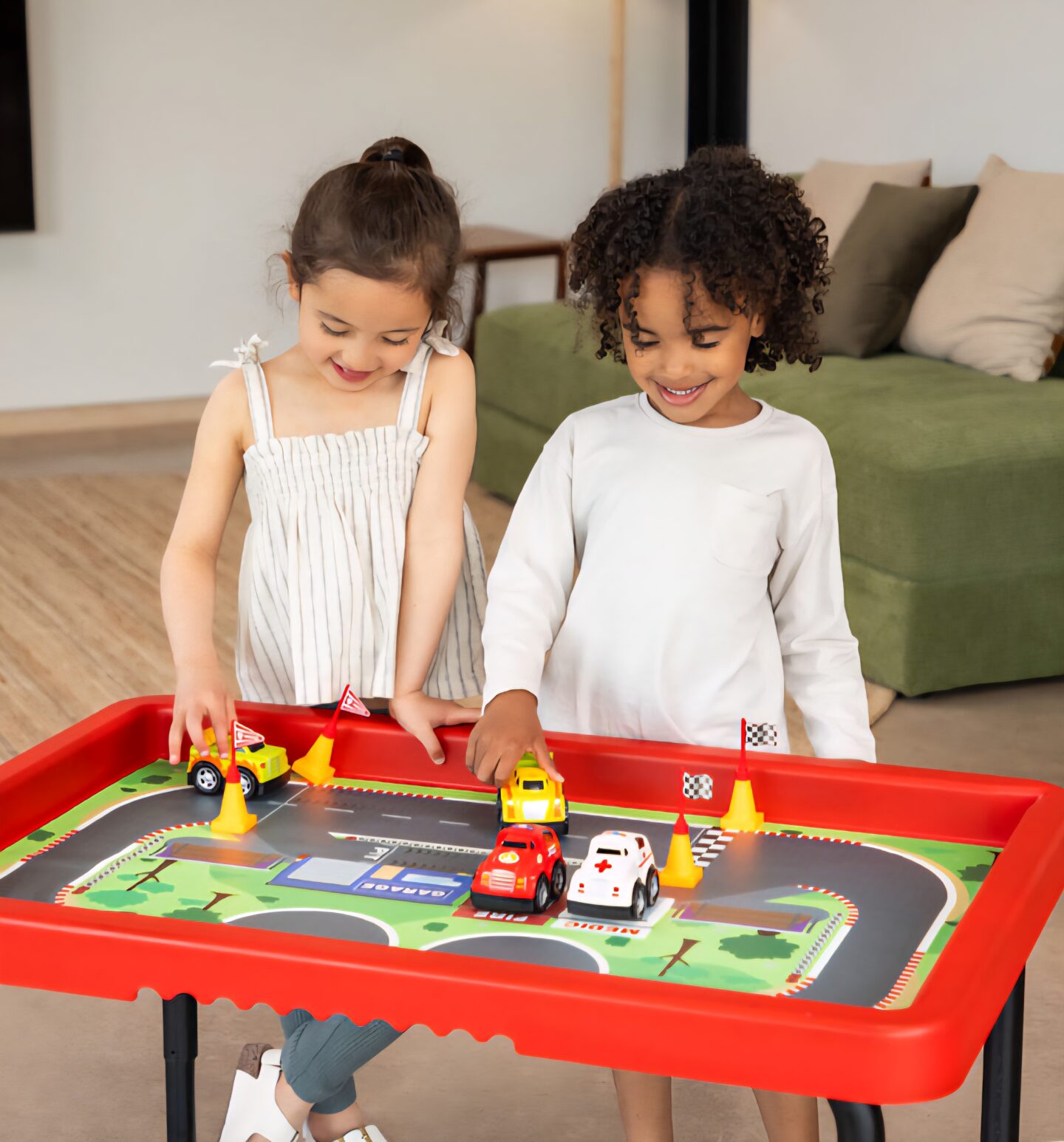
One thing I’d love to explore more over the coming months is creating invitations to play. Simple activity play trays like the ones from Toyrific, filled with natural objects, scoops, cups, coloured rice or building materials allow children to investigate at their own pace.
A dedicated play tray or activity table makes this much easier because everything is contained in one place and can be swapped out depending on what your child is currently interested in.
Pretend play that grows with children
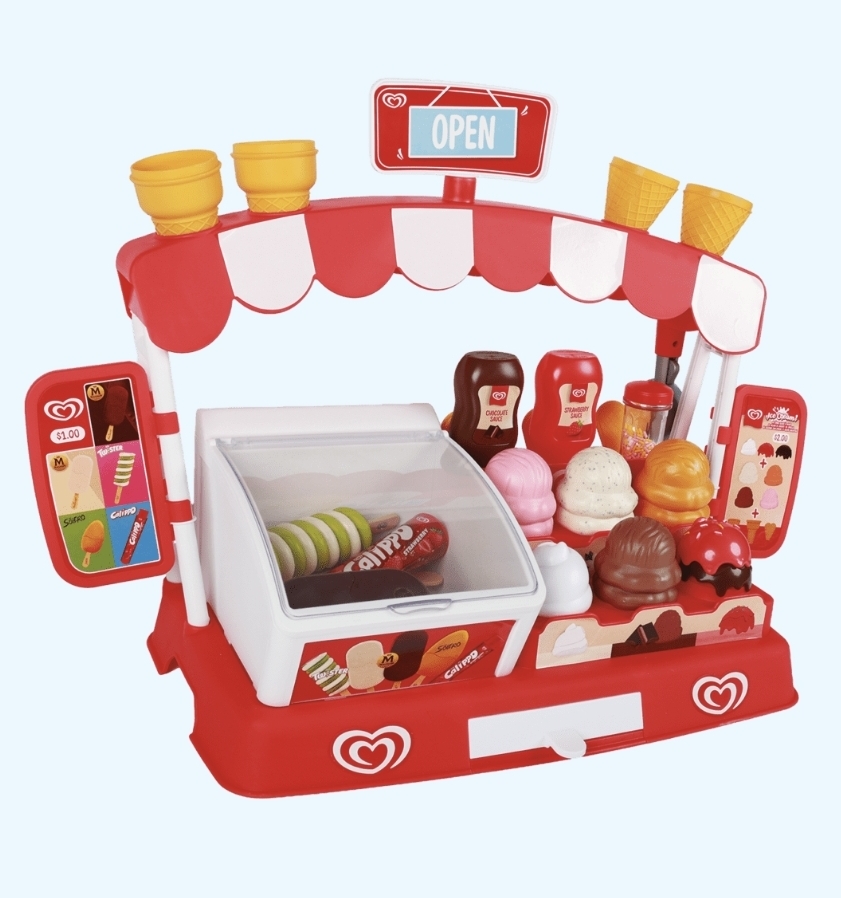
Pretend play is another brilliant example of open-ended play. An ice cream shop doesn’t just teach children about ice cream; it becomes a café, restaurant, birthday party, picnic, supermarket.
The Casdon Walls Ice Cream Parlour and matching Ice Cream Scoop Set both encourage children to create their own stories, practise conversations and invent games together. Every play session looks slightly different.
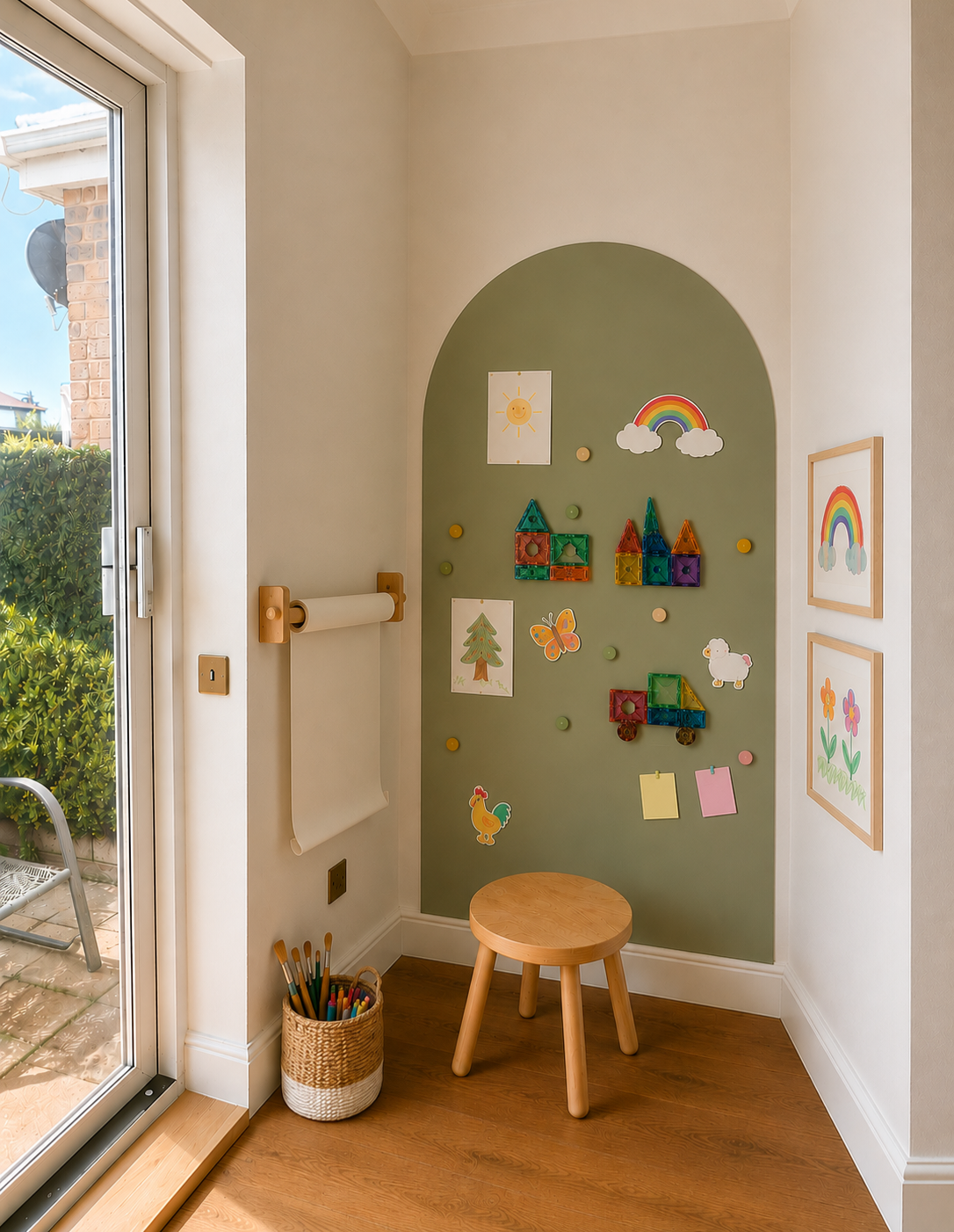
Create a dedicated creative space
Open-ended play isn’t just about the toys you buy – it’s also about creating spaces that invite creativity. A simple roll of paper, magnetic wall sticker or reusable drawing surface gives children somewhere to build, draw, display artwork and let their imagination take over.
As your child grows, the space naturally evolves too. What starts as a place for magnetic tiles and scribbles can become somewhere for letters, numbers, artwork and creative projects, making it a home addition that lasts for years.
Instead of buying lots of toys that all do exactly the same thing, I’d rather have a mixture that supports different kinds of play.
Why It’s Changed The Way I Shop
These days I find myself asking completely different questions before buying something.
- Can this toy grow with Daisy?
- Will she still find new ways to use it next year?
- Does it encourage curiosity rather than simply keeping her entertained?
Ironically, thinking this way has helped me buy fewer toys overall.
Instead of constantly replacing things she’s outgrown, we’re slowly building a collection that evolves alongside her.
I don’t think open-ended play is about following trends or buying the “perfect” toys. It’s about giving children space to think for themselves.
Sometimes that’s a set of magnetic tiles. Sometimes it’s wooden blocks. Sometimes it’s an empty cardboard box that somehow becomes the most exciting thing in the room.
Understanding open-ended play hasn’t made me buy more toys.
If anything, it’s helped me buy fewer—but better.
Looking for age-specific inspiration? Browse my favourite open-ended toys for babies and 1-year-olds, or explore my guide to educational toys for toddlers as your child grows.
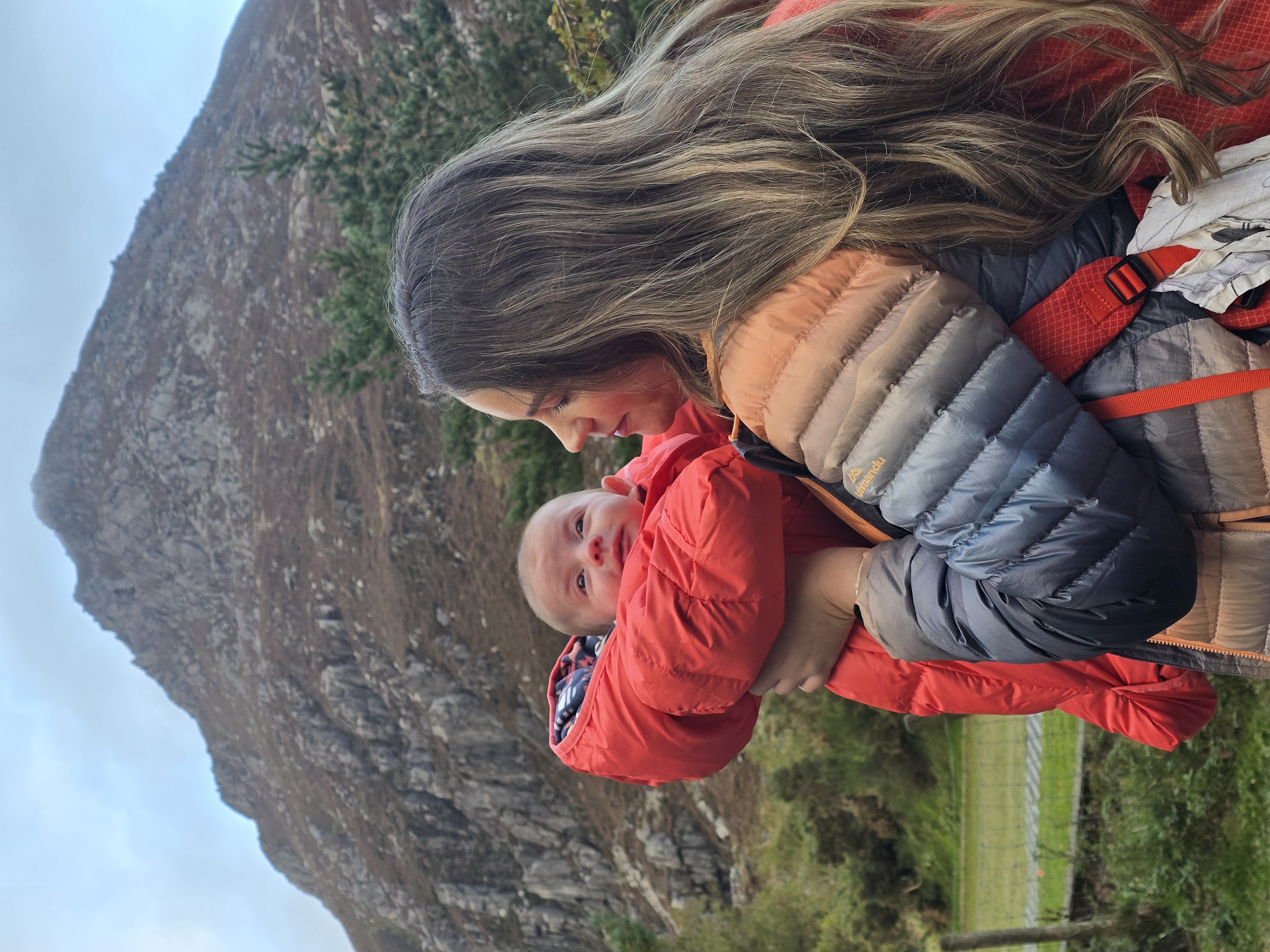
Outdoor Adventure, Travel, and Family Editor.
I share stories from my adventures with my daughter, Daisy, practical gear advice, and tips for navigating family life from my experiences.
Follow Sam’s adventures on Instagram @sams_adventures_

