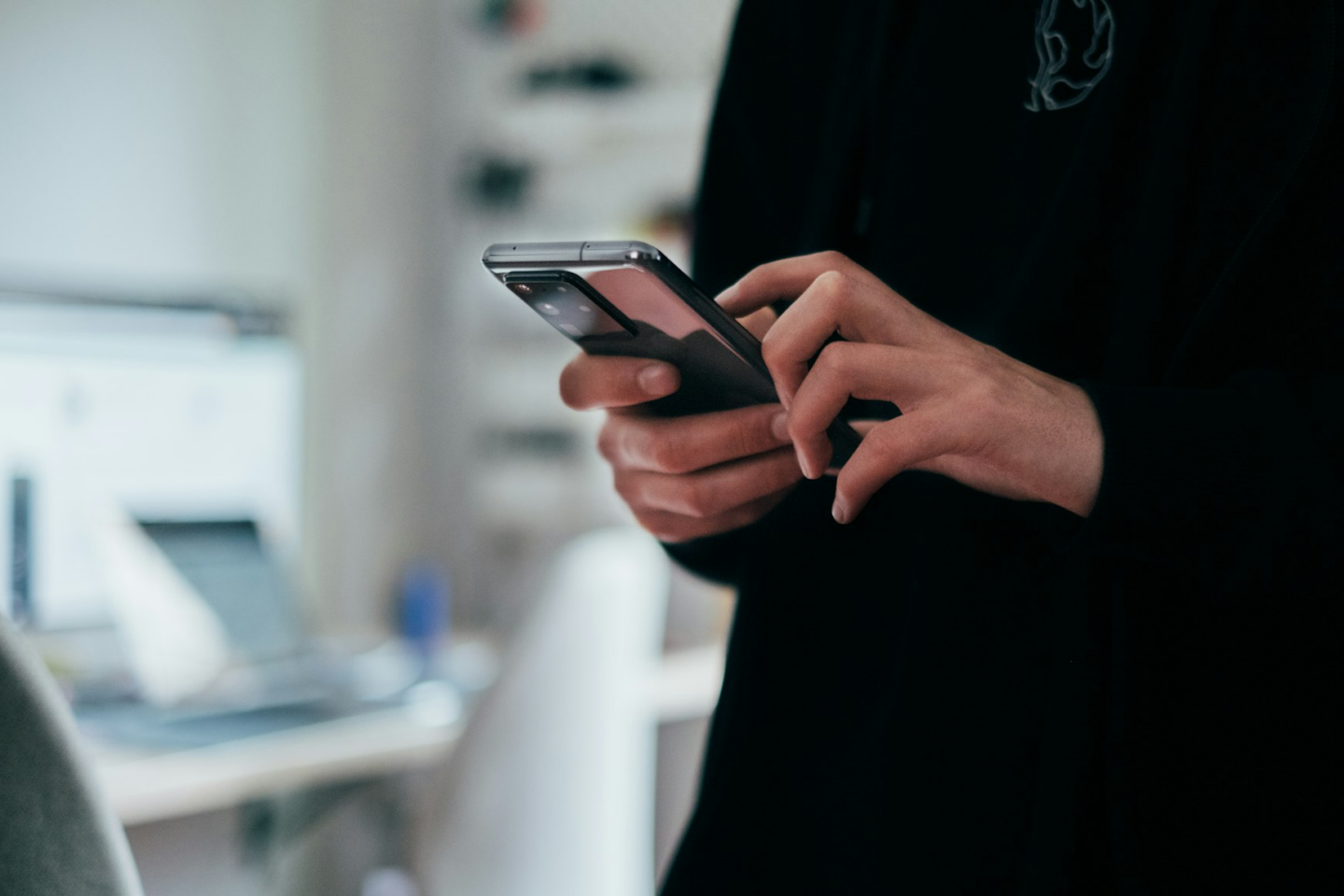
Mobile gaming is no longer the side story of the games business in 2026. It sits at the centre of it, driven by faster phones, better displays, mature live-service design and a clear shift in how people choose to play every day.
This shift has happened gradually, then all at once. The phone is already the screen people use most, and publishers now build around that reality. For players, that means smoother performance, larger game worlds and fewer barriers between mobile, PC and console play.
The commute-friendly gaming revolution
The biggest story in 2026 is that smartphones have become the default gaming device for a huge number of players. That comes down to convenience, of course, but also to quality. Handsets such as the RedMagic 10 Pro, Asus ROG Phone 9 Pro, iPhone 16 Pro Max and Samsung Galaxy S25 Ultra show how far mobile hardware has moved. These devices pair top-tier chipsets with high-refresh-rate displays, brighter panels and larger cooling systems, making it far easier to run demanding titles at stable frame rates than it was just a few years ago.
Habits are more fluid now, and mobile fits that pattern better than any other platform. While the tech world obsesses over cooling fans and ray tracing, the reality for most of us is far more grounded. On a rainy Tuesday commute home, you are far more likely to see someone flicking through a quick puzzle or a casual card app than fighting a complex boss in a high-end RPG.
This is where mobile really wins: it is lightweight, low-commitment entertainment. For many, that bit of downtime on the train might involve popping into a casino app to use free spins to try out fresh games as a way to switch off before the evening rush starts. You don’t need a specialized gaming handset for this; even a basic smartphone can handle these titles perfectly. It transforms the commute into a pocket of “me-time,” provided you keep it fun and treat it as light entertainment by playing responsibly.
The rise of the dedicated gaming handset
While you can certainly get by on a standard smartphone, there is a growing segment of the market catering to those who want a bit more from their kit. These specialized devices are not just about raw power anymore; they are designed to make the experience as seamless as possible, whether you are playing a high-fidelity epic or just killing time.
A few features now stand out across the mobile gaming market:
- 120Hz and 144Hz displays that make every movement feel incredibly fluid.
- Advanced cooling systems designed to stop the device from getting uncomfortably warm during longer sessions.
- Larger batteries that can actually survive a full day of mixed use without needing a midday charge.
- Dedicated gaming modes to block out those annoying group chat notifications while you are in the zone.
- Physical shoulder triggers that provide a bit more tactile control for those who find touchscreens a bit fiddly.
The shift here is that these phones are no longer niche curiosities for tech enthusiasts. They are being built with gaming as a primary function, ensuring that the hardware stays out of the way of the fun.
Shopping for a mobile-friendly present? See our guide to Father’s Day gift ideas.
The gap between mobile, PC and console is shrinking
Another clear trend in 2026 is the growing overlap between platforms. Mobile gaming is no longer sealed off from the rest of the market. Many titles now support cross-play, cross-save and shared progression systems, which means players can move between screens without starting again.
That has raised expectations for mobile versions. People no longer want companion apps or stripped-back ports. They want proper experiences shaped for touchscreens but still tied to the same wider game ecosystem. This is where the smartphone becomes more than a portable option. It becomes part of a broader network of play.
Cloud gaming adds another layer to that shift. It has not replaced local hardware, yet it has widened the range of games that can be played on a phone. The result is a market where mobile is not competing from the edges. It is part of the centre.
Why 2026 feels like a turning point
What makes 2026 stand out is the change in status. Mobile is no longer viewed as gaming’s second screen. It is a primary platform with its own design language, its own commercial logic and a growing influence on the rest of the industry.
That influence can be seen everywhere: in device design, in live-service thinking, in social play and in the way publishers build games for constant access. Mobile did not take over through a single breakout moment. It got there through steady technical gains and changing player habits.

Just a group of real women dealing with life’s daily struggles! Want to write for us? Email: hello@thedailystruggle.co.uk

