If you’ve ever felt different during a full moon, you’re not alone. For centuries, people have linked the lunar cycle to changes in mood, sleep, and behaviour. But is there any truth to the idea that the moon affects our emotions – or is it just myth?
In this article, we’ll explore the science, psychology, and folklore behind the lunar cycle, and whether it really has the power to influence how we feel.
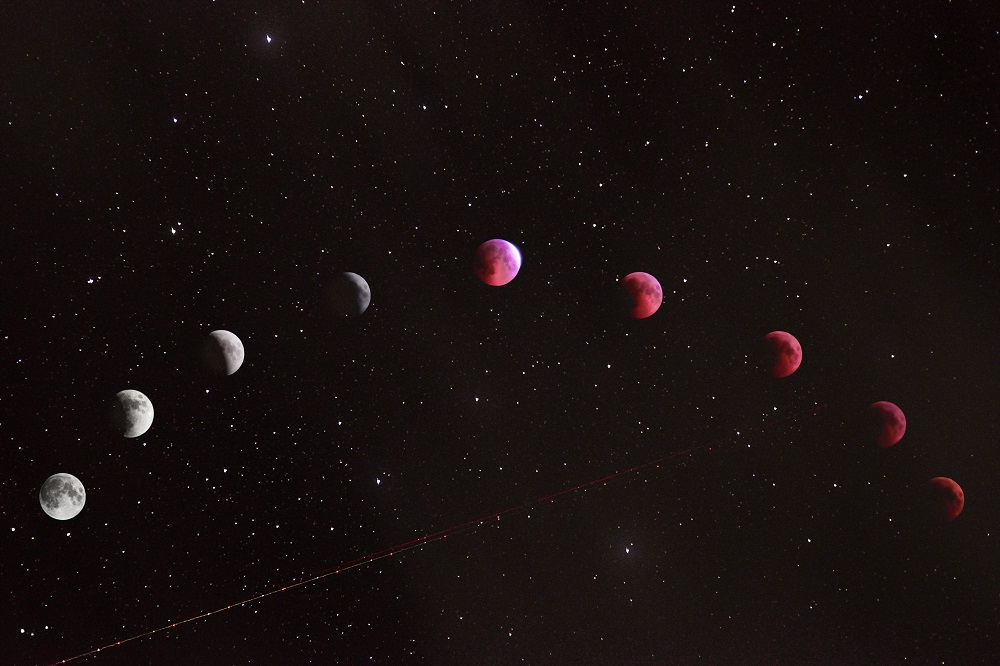
Photo by Farzad Mohsenvand on Unsplash
The New Moon
The lunar cycle begins with the new moon — the phase when the moon sits between the Earth and the sun, leaving its visible surface in shadow.
Traditionally associated with fresh starts, the new moon has long been seen as a time for intention-setting and reflection. Whether you view it through a spiritual lens or simply as a psychological reset point, this phase naturally invites a pause: a moment to reassess priorities, clarify goals, and decide what you want the next cycle to hold. This makes the new moon the perfect time for manifesting!
Utlimately, The New Moon has carried profound spiritual meaning across cultures for centuries. It symbolises culmination, completion, and a time to release what no longer serves us.
What are the New Moon effects on your mood?
While there’s no definitive scientific evidence that the new moon directly boosts energy levels, many people report feeling a sense of renewal during this phase. Psychologically, the idea of a “fresh start” can be powerful. A clear marker in time, just like the beginning of a lunar cycle, gives us permission to reset.
Rather than thinking of it as a cosmic reset button, it can be more useful to see the new moon as a structured pause. A moment to review where you are, identify what needs attention, and decide what you want to focus on next. Setting intentions during this phase isn’t about manifesting overnight change — it’s about creating clarity and direction.
The quieter energy often associated with the new moon can also support reflection. Slowing down, even briefly, makes it easier to approach new goals with intention rather than impulse.
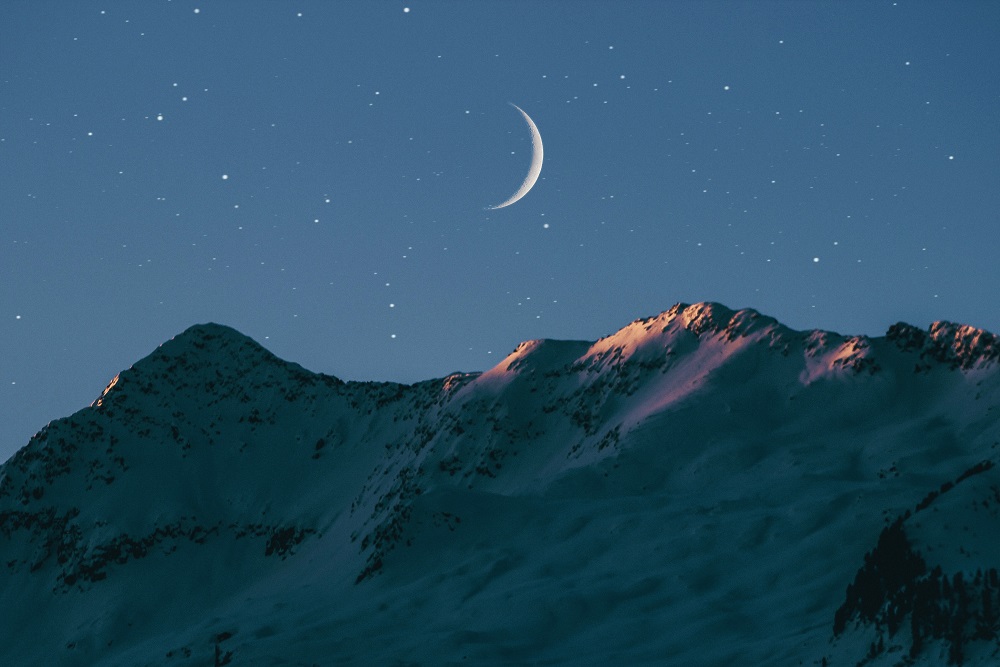
Photo by Benjamin Voros on Unsplash
What Crystals Should I Use on a New Moon?
For those who like to incorporate crystals into their lunar rituals, the new moon pairs well with stones such as labradorite, black tourmaline, and smoky quartz. Labradorite is often associated with transformation and new beginnings, making it a popular choice when setting intentions. Black tourmaline and smoky quartz are commonly used for grounding and protection, helping to create a steady foundation as you clarify your focus for the cycle ahead.
The new moon can also serve as a practical reminder to cleanse your crystals – whether you prefer moonlight, smoke cleansing, or another method. Even if you approach it symbolically, tying crystal care to a regular lunar phase creates consistency and intention in your practice.
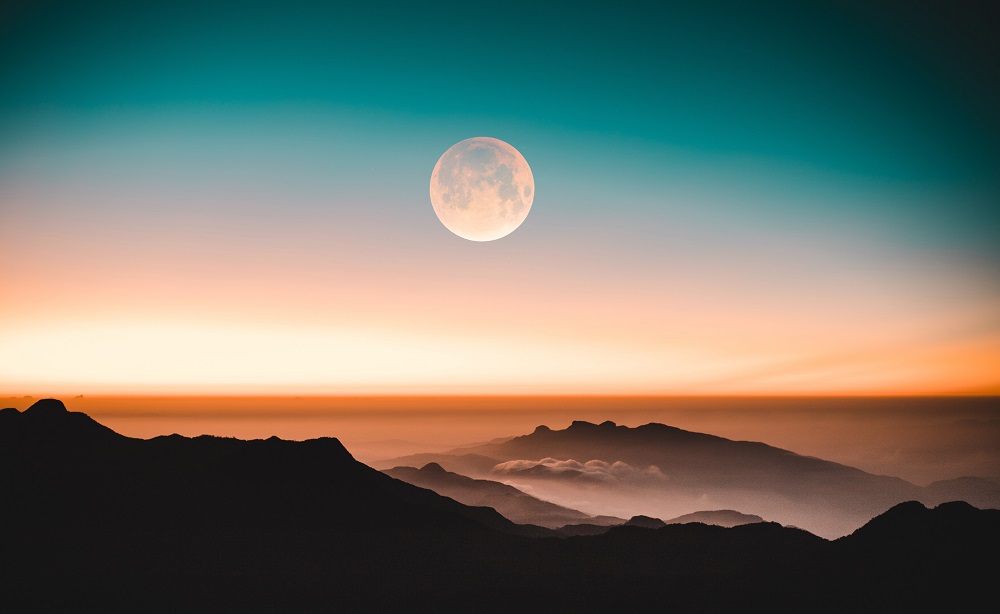
Photo by malith d karunarathne on Unsplash
The Full Moon
The full moon marks the midpoint of the lunar cycle, when the moon is fully illuminated from our perspective on Earth. Traditionally, this phase has been associated with completion and release – a natural checkpoint after the intentions set during the new moon.
Whether or not you believe the moon directly influences mood, many people report feeling more emotionally aware or restless during a full moon. That may be less about mysticism and more about attention. When something is brighter, bigger, and culturally associated with intensity, we tend to notice our internal state more too.
Practically, the full moon can serve as a review point. What’s progressed since the start of the cycle? What feels aligned, but more importantly… what doesn’t? Rather than dramatic endings, think refinement: keeping what works and letting go of what doesn’t.
What Are the Effects of a Full Moon on Your Emotions?
The idea that a full moon affects emotions has been around for centuries. But what does that actually mean in practice?
Research on the psychological effects of a full moon is mixed. Some studies suggest subtle changes in sleep patterns around the full moon, which could indirectly influence mood. Others find no significant behavioural impact. That said, many people report feeling more alert, restless, or emotionally sensitive during this phase.
One possible explanation is awareness. The full moon is highly visible and culturally associated with intensity, so we may pay closer attention to our emotions at this time. If you do notice stronger feelings, it can be useful to treat the full moon as a reflection point – a time to check in, have honest conversations, or channel energy into creative work.
Rather than assuming the moon is “causing” your emotions, consider it a cue. A reminder to pause, reflect, and respond thoughtfully instead of reactively.
Are Emotions Heightened During a Full Moon?
Many people report feeling more emotionally sensitive during a full moon, but the evidence is mixed. While some small studies suggest slight changes in sleep around the full moon, large-scale research has not consistently shown dramatic shifts in behaviour or mood.
That said, perception matters. The full moon is visually striking and culturally associated with intensity. When something is framed as significant, we’re more likely to check in with ourselves, and notice what we’re feeling.
If emotions do feel heightened, it can be useful to treat this phase as a deliberate pause point. Instead of reacting impulsively, use the awareness to reflect. What’s surfacing? Is it tied to something ongoing, or simply amplified by fatigue or stress?
Whether the shift is biological, psychological, or symbolic, the value lies in how you respond. Awareness creates choice… which is far more powerful than any phase of the moon.
What Crystals Should I Use on a Full Moon?
If you like to work with crystals, the full moon is often associated with clarity, amplification, and emotional awareness. Stones that align with those themes tend to be popular during this phase.
Amethyst is frequently linked to calm and insight, making it a useful choice if emotions feel heightened.
Moonstone is traditionally connected to intuition and cycles, which fits naturally with full moon reflection.
Clear quartz is known for its amplifying properties and is often used to support intention-setting or to enhance the qualities of other stones.
Many people also place their crystals under the full moon as part of a cleansing or recharging ritual. While this is symbolic rather than scientifically proven, tying crystal care to the lunar cycle can create a consistent, mindful practice.
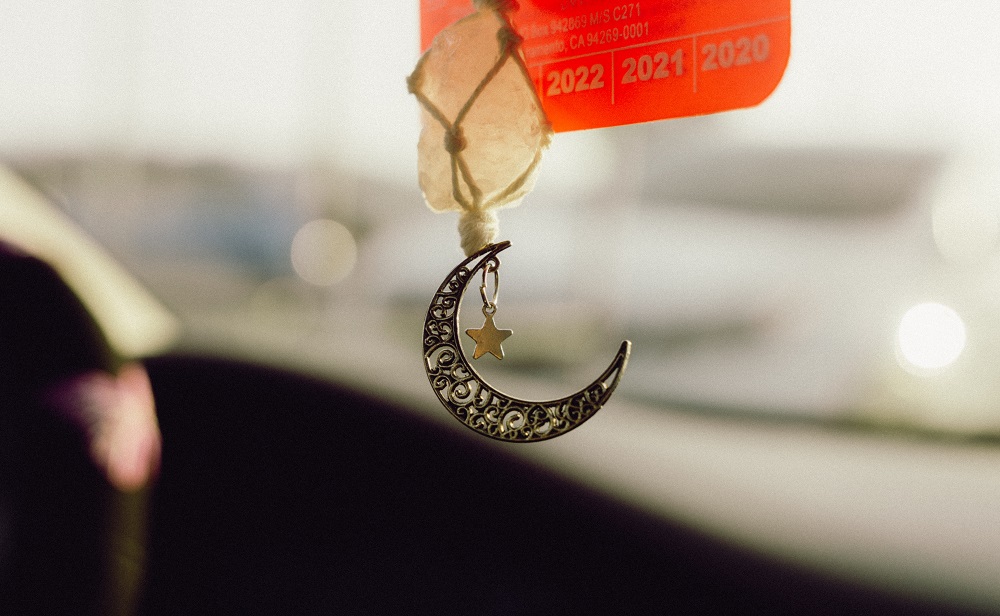
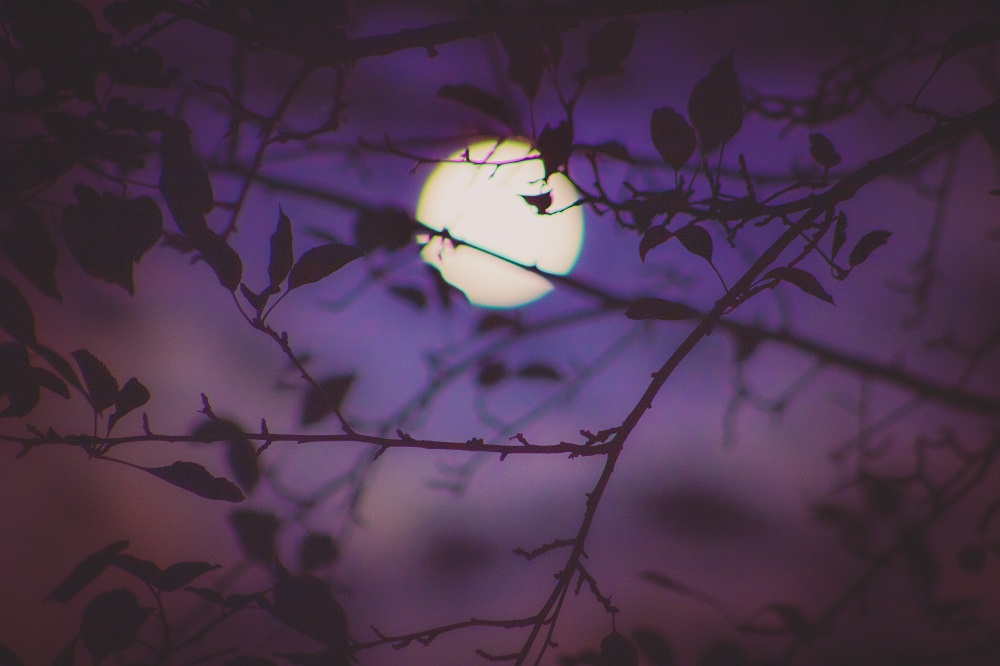
Photo by Mahavir Shah on Unsplash
The moon has carried meaning across cultures for thousands of years. Whether you see it as symbolic, psychological, or something more spiritual, the lunar cycle offers a simple structure for reflection.
The new moon can act as a reset point. The full moon can serve as a check-in. The phases in between provide rhythm… a reminder that growth, clarity, and release rarely happen all at once.
You don’t have to believe the moon directly influences your emotions to benefit from paying attention. Sometimes, the value isn’t in whether something has power over you, it’s in the pause it creates. A moment to step back, assess where you are, and choose how you want to move forward.
The cycle will continue regardless. The question is simply whether you want to use it as a tool.

Home and Wellness Editor, and resident witch.
I share budget home renovation ideas, easy DIY and upcycling guides, and top tips for all things magick and nature.
Follow me on TikTok @scarlet.wonderland

