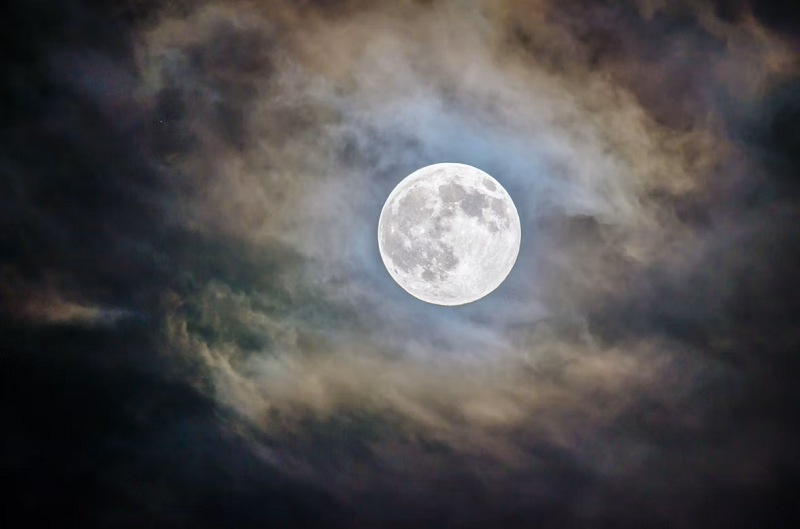
Have you ever found yourself looking up at a full moon and wondering why it feels significant?
Whether you’re someone who follows astrology closely or simply enjoys noticing the changing night sky, there’s no denying that moon phases have captured human attention for centuries. Across cultures and generations, people have used the lunar cycle as a way to mark time, celebrate milestones, and reflect on where they are in life.
While there is limited scientific evidence linking moon phases directly to wellbeing, many people find that the cycle offers a useful framework for slowing down and checking in with themselves. Apps and platforms such as Nebula have helped make moon tracking more accessible than ever, introducing a new generation to lunar rituals, reflection, and self-discovery.
So what do the different moon phases actually represent, and why do so many people feel connected to them?
What Are the Moon Phases?
The moon moves through a cycle that lasts approximately 29.5 days. As it orbits Earth, different amounts of sunlight illuminate its surface, creating the phases we see from the ground.
The main phases are:
- New Moon
- Waxing Crescent
- First Quarter
- Waxing Gibbous
- Full Moon
- Waning Gibbous
- Last Quarter
- Waning Crescent
Each phase has developed its own symbolism over time, often relating to growth, reflection, rest, and renewal.
New Moon: A Fresh Start
The new moon marks the beginning of the lunar cycle.
Because the moon is largely hidden from view, many people associate this phase with new beginnings and setting intentions. It can feel like a natural opportunity to pause and consider what you want more of in your life, whether that’s better boundaries, more rest, or simply making space for something new.
Some people like to journal during the new moon, while others use it as a reminder to check in with goals they may have forgotten about in the busyness of everyday life.
Waxing Moon: Building Momentum
After the new moon, the illuminated portion gradually grows larger.
This waxing phase is often linked to progress, growth, and taking action. If the new moon is about planting seeds, the waxing moon is about nurturing them.
Of course, real life rarely follows perfect cycles. Progress is rarely linear, and some weeks simply feel harder than others. But many people find it helpful to use this stage as a reminder to focus on consistency rather than perfection.
Full Moon: Taking Stock
The full moon is arguably the most well-known phase.
Bright, noticeable, and often impossible to ignore, it has become associated with completion, awareness, and reflection. For some people, the full moon feels like a natural point to look back on what’s working and what isn’t.
You might recognise this idea if you’ve ever felt drawn to take stock of your emotions or routines at the end of a busy month.
If you’re interested in exploring this further, you may also enjoy our article on the effect of the moon on your emotions, which looks at why so many people feel a stronger emotional connection to lunar events.
Waning Moon: Slowing Down
After the full moon, the illuminated surface gradually begins to shrink.
This phase is often associated with rest, release, and letting go of things that no longer feel useful or supportive. Rather than focusing on productivity, many people use the waning moon as a reminder to slow down and recover.
In a culture that often encourages constant growth and optimisation, there can be something comforting about embracing a season of rest.
Not every phase of life needs to be about pushing forward.
Why Do People Feel So Connected to the Moon?
Part of the moon’s appeal is its consistency.
No matter how busy life becomes, the lunar cycle continues. For many people, paying attention to moon phases creates a small moment of awareness in an otherwise hectic schedule.
It can also provide a framework for reflection. Rather than waiting until the end of the year to think about goals, habits, or wellbeing, the lunar cycle offers more regular opportunities to pause and check in.
For some, it’s spiritual. For others, it’s simply a mindfulness practice.
Neither approach is right or wrong.
What About Rare Lunar Events?
Beyond the regular lunar cycle, unusual moon events often capture public attention.
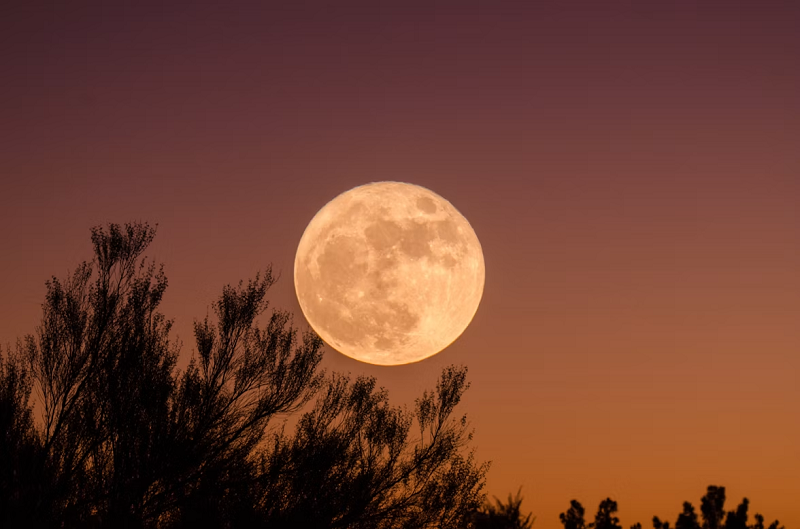
Harvest moons, blood moons, and unusually coloured moons have all developed rich symbolism over the years. Many people enjoy exploring the stories and meanings attached to these events, even if they don’t necessarily believe they hold any special power.
If you’ve ever wondered about the symbolism behind an unusually coloured moon, this guide to orange moon meaning explores some of the interpretations and traditions that have emerged around these striking lunar displays.
A Gentle Reminder
Moon phases can be fascinating, but they don’t have to become another thing to get right.
You don’t need a detailed ritual, expensive tools, or a perfect understanding of astrology to appreciate the lunar cycle. Sometimes simply noticing the moon, taking a few moments to reflect, and checking in with yourself is enough.
Whether you see the moon as a spiritual guide, a mindfulness prompt, or simply a beautiful part of nature, its changing phases offer a reminder that life moves in cycles too.
There are seasons for growth, seasons for rest, and seasons for beginning again. Sometimes, that’s meaning enough.

Just a group of real women dealing with life’s daily struggles! Want to write for us? Email: hello@thedailystruggle.co.uk

